
UCLA reaches $6 million settlement with Jewish students over campus protests
The University of California, Los Angeles, reached a $6 million settlement with three Jewish students and a Jewish professor whose lawsuit against the university argued it violated their civil rights by allowing pro-Palestinian protesters in 2024 to block their access to classes and other areas on campus.
The settlement comes nearly a year after a preliminary injunction was issued, marking the first time a U.S. judge had ruled against a university over their handling of on-campus demonstrations against Israel’s war in Gaza.
UCLA initially had argued that it had no legal responsibility over the issue because protesters, not the university, blocked Jewish students’ access to areas. The university also worked with law enforcement to thwart attempts to set up new protest camps.
But U.S. District Judge Mark Scarsi disagreed and ordered UCLA to create a plan to protect Jewish students on campus. The University of California, one of the nation’s largest public university systems, has since created systemwide campus guidelines on protests.
How the university handled dispersing the encampment in the spring drew widespread criticism. One night, counterprotesters attacked the pro-Palestinian encampment, throwing traffic cones and firing pepper spray, with fighting that continued for hours, injuring more than a dozen people, before police stepped in. The next day, after hundreds defied orders to leave, more than 200 people were arrested.
Trump administration joins lawsuit filed by Jewish students
In March, the Trump administration joined the lawsuit filed by the Jewish students and Jewish professor as it opened new investigations into allegations of antisemitism at Columbia University; the University of California, Berkeley; the University of Minnesota; Northwestern University and Portland State University.
Last week, Columbia agreed to pay $200 million as part of a settlement to resolve investigations into alleged violations of federal antidiscrimination laws and restore more than $400 million in research grants.
The Trump administration plans to use its deal with Columbia as a template for other universities, with financial penalties that are now seen as an expectation for future generations.
Government finds UCLA violated civil rights of Jewish students
On Tuesday, the Trump administration announced the U.S. Department of Justice’s Civil Rights Division found UCLA violated the Equal Protection Clause of the Fourteenth Amendment and Title VI of the Civil Rights Act of 1964, “by acting with deliberate indifference in creating a hostile educational environment for Jewish and Israeli students.”
“UCLA failed to take timely and appropriate action in response to credible claims of harm and hostility on its campus,” said Assistant Attorney General Harmeet K. Dhillon of the Justice Department’s Civil Rights Division.
The university has said that it’s committed to campus safety and will continue to implement recommendations.
“Today’s settlement reflects a critically important goal that we share with the plaintiffs: to foster a safe, secure and inclusive environment for all members of our community and ensure that there is no room for antisemitism anywhere on campus,” University of California Board of Regents Chair Janet Reilly said in a statement.
UCLA agrees to granting students equal access
As part of the settlement agreement, UCLA must ensure Jewish students, faculty and staff are not excluded from anything on-campus.
The $6.13 million settlement will pay the plaintiffs’ damages and legal fees. About $2.3 million will go to eight organizations that combat antisemitism, the university said.
Pro-Palestinian protesters also sue university
A group of 35 pro-Palestinian students, faculty members, legal observers, journalists and activists also has filed a lawsuit against UCLA, alleging the university failed to protect those who participated in the demonstrations. Some Jewish students have also taken part in protests on campuses around the country against Israel’s war in Gaza.
During the 2014 protests at UCLA, at least 15 pro-Palestinian protesters were injured and the tepid response by authorities drew criticism from political leaders as well as Muslim students and advocacy groups.
Nancy Guthrie search enters its second week as a purported deadline looms
"This is very valuable to us, and we will pay," Savannah Guthrie said in a new video message, seeking to communicate with people who say they're holding her mother.
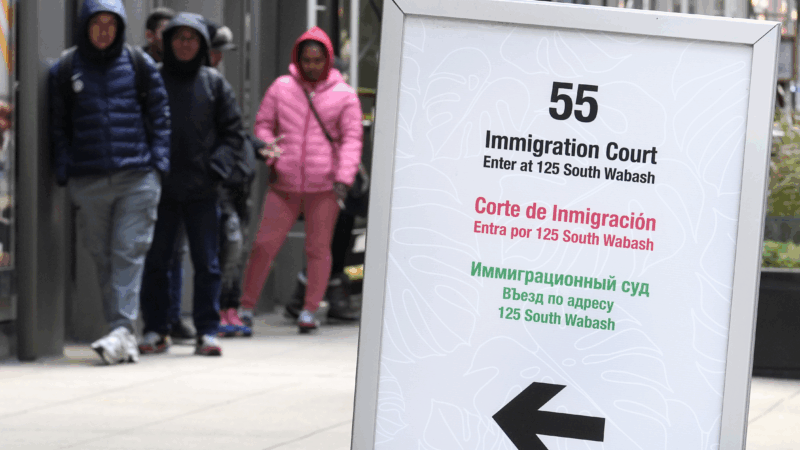
Immigration courts fast-track hearings for Somali asylum claims
Their lawyers fear the notices are merely the first step toward the removal without due process of Somali asylum applicants in the country.
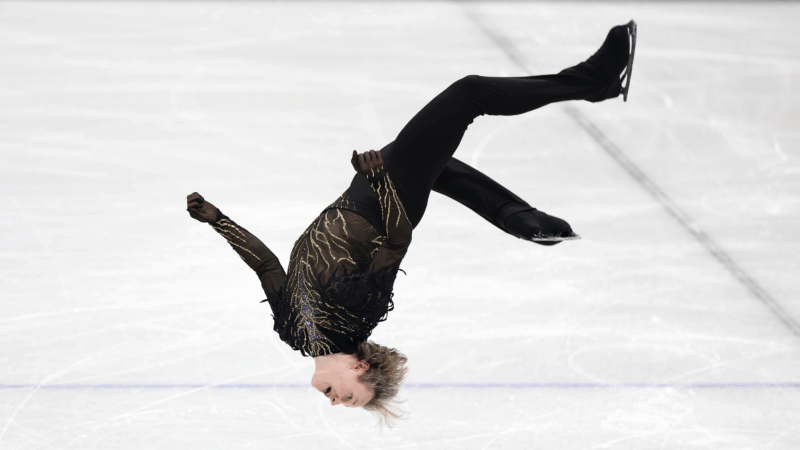
Ilia Malinin’s Olympic backflip made history. But he’s not the first to do it
U.S. figure skating phenom Ilia Malinin did a backflip in his Olympic debut, and another the next day. The controversial move was banned from competition for decades until 2024.
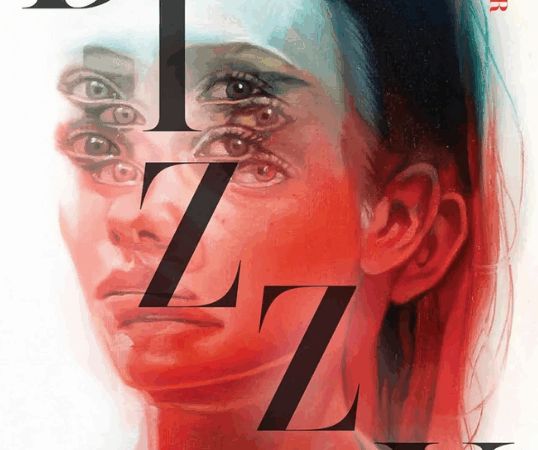
‘Dizzy’ author recounts a decade of being marooned by chronic illness
Rachel Weaver worked for the Forest Service in Alaska where she scaled towering trees to study nature. But in 2006, she woke up and felt like she was being spun in a hurricane. Her memoir is Dizzy.
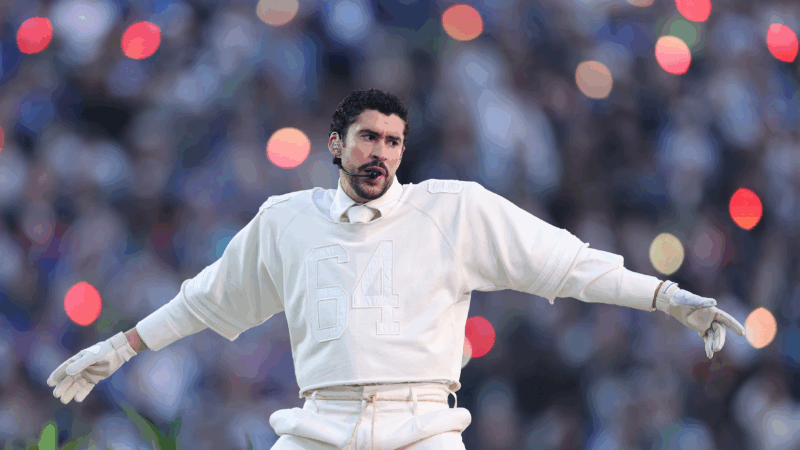
Bad Bunny makes Puerto Rico the home team in a vivid Super Bowl halftime show
The star filled his set with hits and familiar images from home, but also expanded his lens to make an argument about the place of Puerto Rico within a larger American context.
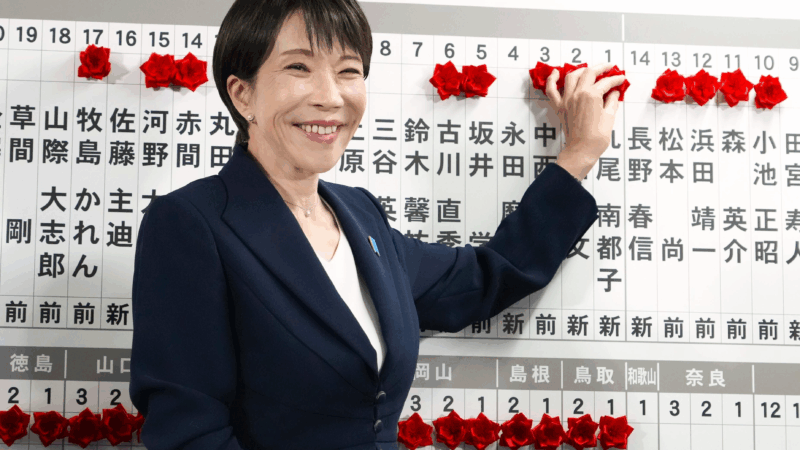
Japan’s Takaichi to pursue conservative agenda after election landslide
Japan's first female Prime Minister, Sanae Takaichi, brought the ruling Liberal Democratic Party its biggest-ever electoral victory, fueling her ambitions to pursue to a political agenda which she says could "split public opinion."
