
U.S. tariffs take effect on India, threatening $48.2B in exports
NEW DELHI — Steep U.S. tariffs on a range of Indian products took effect Wednesday, threatening a steep blow to India’s overseas trade in its largest export market.
President Donald Trump had initially announced a 25% tariff on Indian goods. But earlier this month he signed an executive order imposing an additional 25% tariff due to India’s purchases of Russian oil, bringing the combined tariffs imposed by the U.S. on its ally to 50%.
The Indian government estimates the tariffs will impact $48.2 billion worth of exports. Officials have warned the new duties could make shipments to the U.S. commercially unviable, triggering job losses and slower economic growth.
India–U.S. trade relations have expanded in recent years but remain vulnerable to disputes over market access and domestic political pressures. India is one of the fastest-growing major global economies and it may face a slowdown as a result.
Sectors to be impacted by US tariffs
Estimates by New Delhi-based think tank Global Trade Research Initiative suggest labor-intensive sectors such as textiles, gems and jewelry, leather goods, food and automobiles will be hit hardest.
“The new tariff regime is a strategic shock that threatens to wipe out India’s long-established presence in the U.S., causing unemployment in export-driven hubs and weakening its role in the industrial value chain,” said Ajay Srivastava, the think tank’s founder and a former Indian trade official.
The U.S. has for now exempted some sectors such as pharmaceuticals and electronic goods from additional tariffs, bringing some relief for India as its exposure in these sectors is significant.
Exporters fear losses
Puran Dawar, a leather footwear exporter in northern India’s Agra city, says the industry would take a substantial hit in the near term unless domestic demand strengthens and other overseas markets buy more Indian goods.
“This is an absolute shock,” said Dawar, whose business with the U.S. has grown in recent years. Dawar’s clients include the major fashion retailer Zara.
Dawar, who is also the regional chairman of the Council for Leather Exports — an export promotion body — said the U.S. should understand that the steep tariffs will hurt its own consumers.
Groups representing exporters warn that new import tariffs could hurt India’s small and medium enterprises that are heavily reliant on the American market.
“It’s a tricky situation. Some product lines will simply become unviable overnight,” said Ajay Sahai, director general of the Federation of Indian Export Organizations.
Modi vows not to yield to U.S. pressure
The tariffs come as the U.S. administration continues to push for greater access to India’s agriculture and dairy sectors.
India and the U.S. have held five rounds of negotiations for a bilateral trade agreement, but have yet to reach a deal. That’s largely because New Delhi has resisted opening these sectors to cheaper American imports, citing concerns that doing so would endanger the jobs of millions of Indians.
Prime Minister Narendra Modi has vowed not to yield to the pressure.
“For me, the interests of farmers, small businesses and dairy are topmost. My government will ensure they aren’t impacted,” Modi said at a rally this week in his home state of Gujarat.
Modi said the world was witnessing a “politics of economic selfishness.”
A U.S. delegation canceled plans to visit New Delhi this week for a sixth round of trade talks.
India plans local reforms to cushion the blow from tariffs
The Indian government has begun working on reforms to boost local consumption and insulate the economy.
It has moved to change the goods and services tax, or consumption tax, to lower costs for insurance, cars and appliances ahead of the major Hindu festival of Diwali in October.
The government council will meet early next month to decide whether to cut taxes.
The Trade Ministry and Finance Ministry are discussing financial incentives that would include favorable bank loan rates for exporters.
The Trade Ministry is also weighing steps to expand exports to other regions, particularly Latin America, Africa and Southeast Asia. Trade negotiations underway with the European Union could gain renewed urgency as India works to reduce its dependence on the U.S. market.

Trump sues IRS and Treasury for $10 billion over leaked tax information
President Trump is suing the IRS and Treasury Department for $10 billion, accusing them of failing to prevent a leak of his tax information to news outlets.
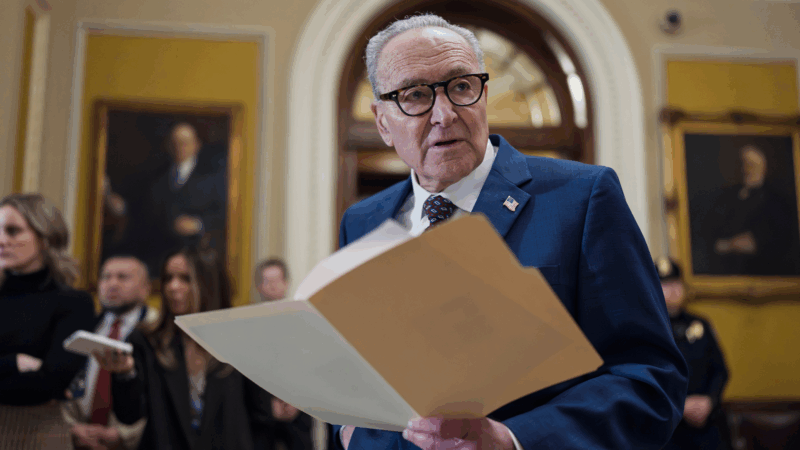
How Democrats want to reform DHS – and why some Republicans are open to their demands
A spending agreement under consideration in the Senate would temporarily fund the Department of Homeland Security while lawmakers negotiate provisions to rein in federal immigration agents.

With his first Grammy nomination, Destin Conrad embraces personal evolution
Destin Conrad went from teen social media star to a musician touring the world on some of its biggest stages. In 2025, he put out both an R&B and jazz album and earned his first Grammy nomination.

How the West was won: K-pop’s great assimilation gambit
The crossover hits stacking Grammy nods this year have little in common with the culture that birthed them — but they're winning the chart game.
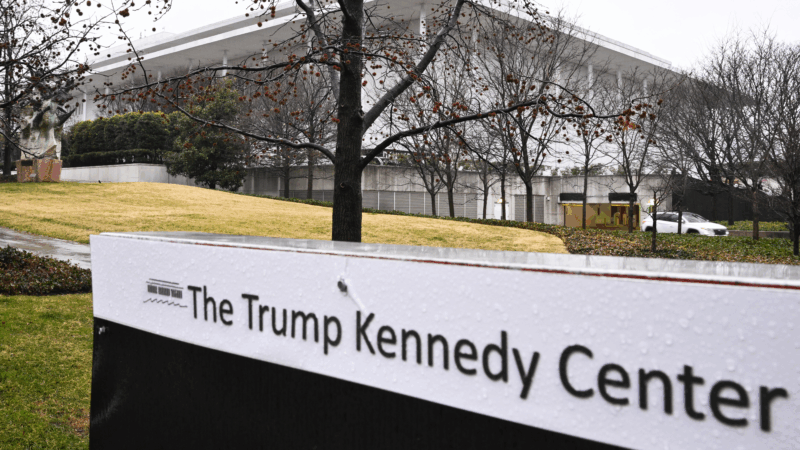
More staff shakeups at the Kennedy Center
The departures include Kevin Couch, who was announced as the Kennedy Center's senior vice president of artistic planning less than two weeks ago.
Medicare Advantage insurers face new curbs on overcharges in Trump plan
Federal officials have a plan that could curb billions of dollars in overpayments to Medicare Advantage plans. But will they follow through on it?
