
U.S. Olympic and Paralympic officials bar transgender women from Olympic women’s sports

COLORADO SPRINGS, Colo. — The U.S. Olympic and Paralympic Committee has effectively barred transgender women from competing in women’s sports, telling the federations overseeing swimming, athletics and other sports it has an “obligation to comply” with an executive order issued by President Trump.
The change, announced Monday with a quiet change on the USOPC’s website and confirmed in a letter sent to national governing bodies, follows a similar step taken by the NCAA earlier this year.
The USOPC change is noted obliquely as a detail under “USOPC Athlete Safety Policy” and reference’s Trump’s executive order, “Keeping Men Out of Women’s Sports,” signed in February. That order, among other things, threatens to “rescind all funds” from organizations that allow transgender athlete participation in women’s sports.
U.S. Olympic officials told the national governing bodies they will need to follow suit, adding that “the USOPC has engaged in a series of respectful and constructive conversations with federal officials” since Trump signed the order.
“As a federally chartered organization, we have an obligation to comply with federal expectations,” USOPC CEO Sarah Hirshland and President Gene Sykes wrote in a letter. “Our revised policy emphasizes the importance of ensuring fair and safe competition environments for women. All National Governing Bodies are required to update their applicable policies in alignment.”
The nationwide battle over transgender girls on girls’ and women’s sports teams has played out at both the state and federal levels as Republicans portray the issue as a fight for athletic fairness. More than two dozen states have enacted laws barring transgender women and girls from participating in certain sports competitions. Some policies have been blocked in court by those who say the policies are discriminatory, cruel and unnecessarily target a tiny niche of athletes.
The NCAA changed its participation policy for transgender athletes to limit competition in women’s sports to athletes assigned female at birth. That change came a day after Trump signed the executive order intended to ban transgender athletes from girls’ and women’s sports.
Female eligibility is a key issue for the International Olympic Committee under its new president, Kirsty Coventry. The IOC has allowed individual sports federations to set their own rules at the Olympics — and some have already taken steps on the topic.
Stricter rules on transgender athletes — barring from women’s events anyone who went through male puberty — have been passed by swimming, cycling and track and field. Soccer is reviewing its eligibility rules for women and could set limits on testosterone.
Trump has said he wants the IOC to change everything “having to do with this absolutely ridiculous subject.” Los Angeles will host the Summer Games in 2028.
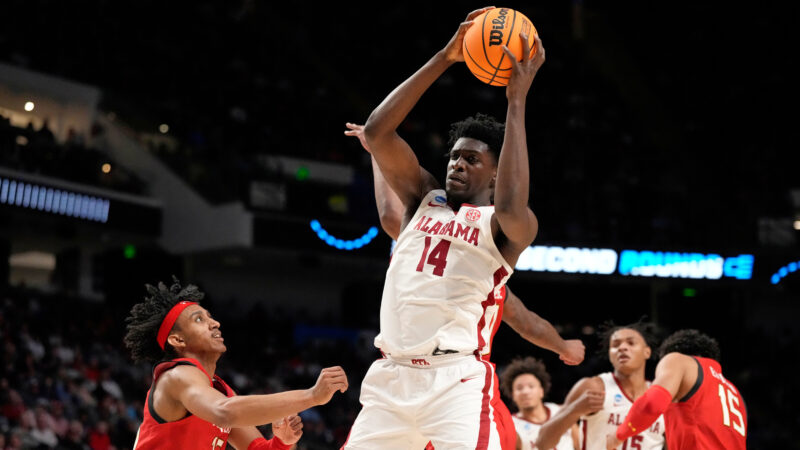
Judge rules 7-foot center Charles Bediako is no longer eligible to play for Alabama
Bediako was playing under a temporary restraining order that allowed the former NBA G League player to join Alabama in the middle of the season despite questions regarding his collegiate eligibility.
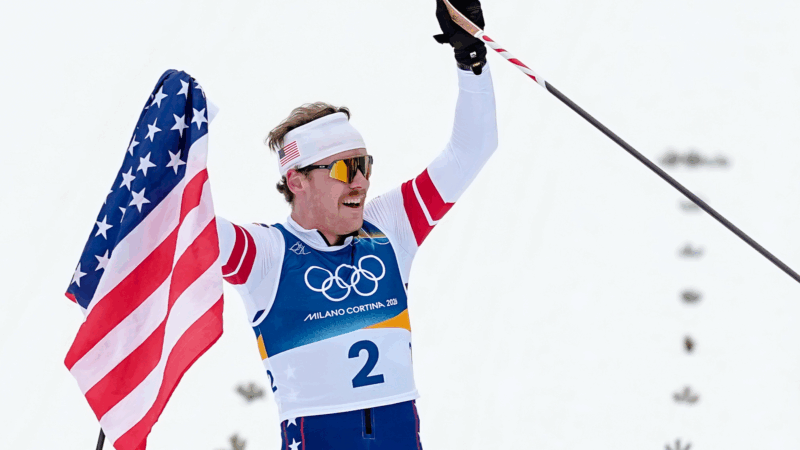
American Ben Ogden wins silver, breaking 50 year medal drought for U.S. men’s cross-country skiing
Ben Ogden of Vermont skied powerfully, finishing just behind Johannes Hoesflot Klaebo of Norway. It was the first Olympic medal for a U.S. men's cross-country skier since 1976.
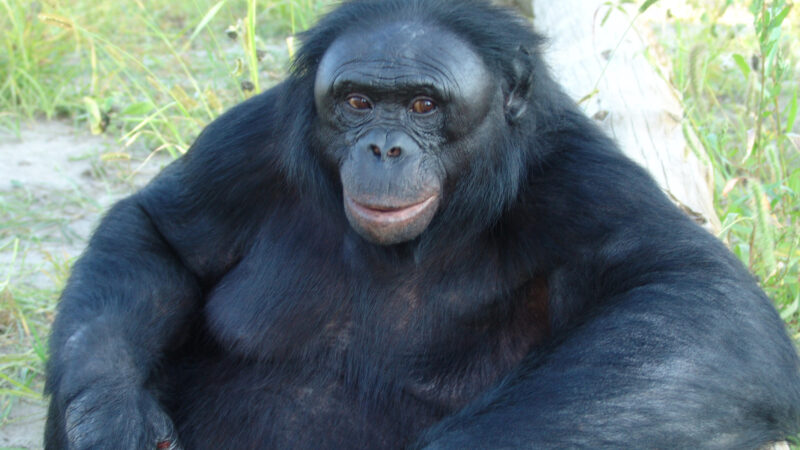
An ape, a tea party — and the ability to imagine
The ability to imagine — to play pretend — has long been thought to be unique to humans. A new study suggests one of our closest living relatives can do it too.
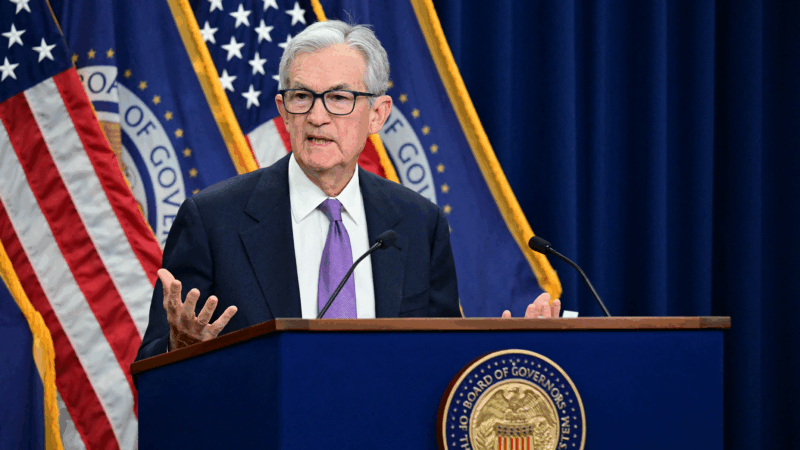
How much power does the Fed chair really have?
On paper, the Fed chair is just one vote among many. In practice, the job carries far more influence. We analyze what gives the Fed chair power.
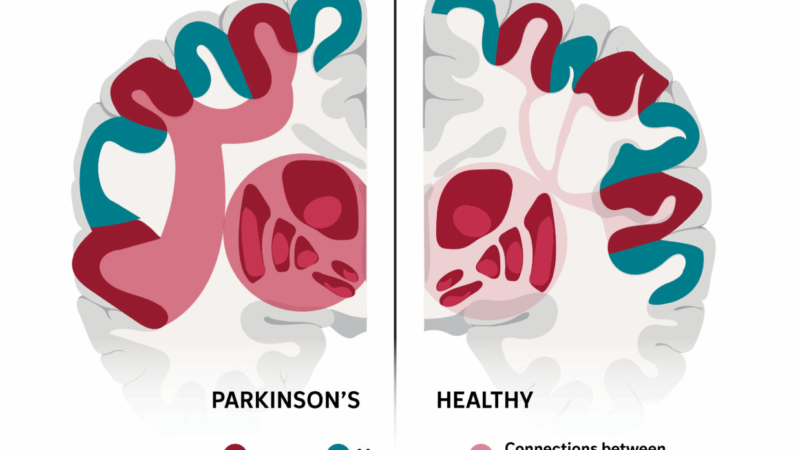
This complex brain network may explain many of Parkinson’s stranger symptoms
Parkinson's disease appears to disrupt a brain network involved in everything from movement to memory.
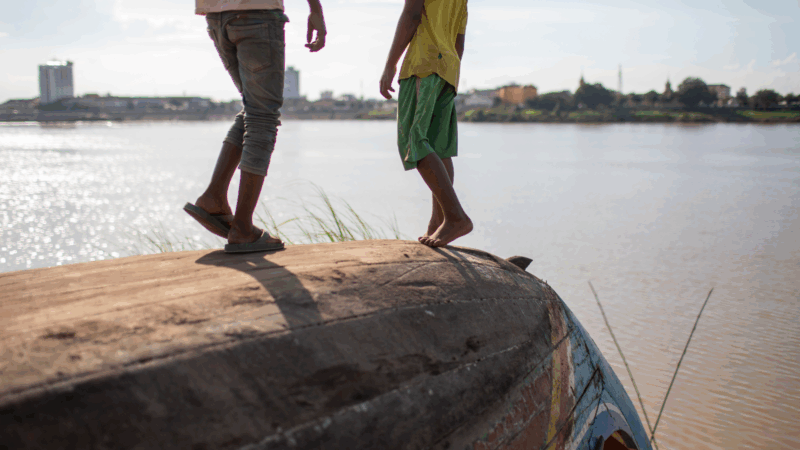
‘Please inform your friends’: The quest to make weather warnings universal
People in poor countries often get little or no warning about floods, storms and other deadly weather. Local efforts are changing that, and saving lives.
