
U.S. military troops on standby for possible deployment to Minnesota
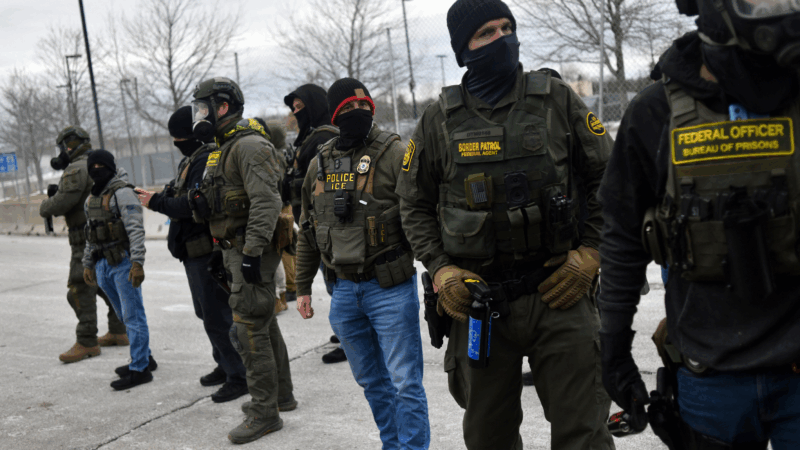
Up to 1,500 U.S. active-duty troops in Alaska are on standby for possible deployment to Minnesota, a U.S. official who was not authorized to speak publicly has confirmed to NPR.
The move comes days after President Trump again threatened to invoke the Insurrection Act to control ongoing protests over the immigration enforcement surge in Minneapolis as well as clashes between federal agents and residents. Trump later walked back that threat.
The troops on standby are from the Army’s 11th Airborne Division, which specializes in cold weather operations, according to the division’s website.
Chief Pentagon spokesman Sean Parnell said Sunday in an emailed statement to NPR that the “Department of War is always prepared to execute the orders of the Commander-in-Chief if called upon.”
Over the weekend, Minnesota Gov. Tim Walz directed the Minnesota National Guard to prepare for possible deployment to assist local law enforcement and emergency management agencies, though they have not been deployed yet.
The Guard said in a Facebook post that these “Minnesota National Guardsmen live, work, and serve in our state, and are focused on protecting life, preserving property, and ensuring Minnesotans can safely exercise their First Amendment rights.” If activated, members would wear yellow reflective vests to “help distinguish them from other agencies in similar uniforms.”
The developments follow days of rising tensions, confrontations and violence stemming from what the Department of Homeland Security has described as its largest operation in history, involving thousands of federal agents, including those from Immigration and Customs Enforcement (ICE).
Minneapolis Mayor Jacob Frey told NBC’s Meet the Press on Sunday that it would be a “shocking step” if Trump sent the military into the city, too.
“To those that are paying attention, you’ve got to understand how wild this is right now,” Frey said. “In Minneapolis, crime is dramatically down. We don’t need more federal agents to keep people safe. We are safe.”
Joseph Nunn, an attorney at the Brennan Center’s Liberty and National Security Program, said the Insurrection Act is a “break-glass-in-case-of-emergency type of tool.” It is meant to be used when civilian authorities are overwhelmed by a crisis, he said, and not simply to quell protests — even violent protests.
“It would be a flagrant abuse of the Insurrection Act” if Trump invoked it now, Nunn said, “unlike anything that’s ever happened before in the history of the country.”

A Biden-era rule sought to stabilize child care. Why Trump wants it gone
The Trump administration has proposed repealing a Biden-era rule that required states to change how they pay out child care subsidies, citing the potential for fraud.

Greetings from Southwest Papua, which has some of the world’s richest marine biodiversity
The Raja Ampat islands in Indonesia's Southwest Papua province are a marine biodiversity hotspot and a divers' paradise.
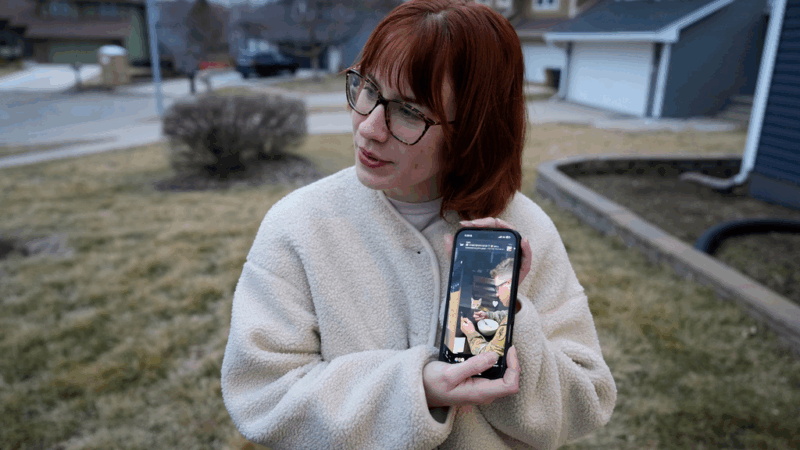
Families remember U.S. reservists killed in Kuwait, members of an Iowa logistics unit
Four U.S. soldiers were killed in the Iran war on Sunday and IDed Tuesday by the Pentagon; two soldiers haven't yet been publicly identified. Their unit kept troops supplied with food and equipment.

Why supporting a shelter for women is now ‘kind of radioactive’
That's how researcher Beatriz Garcia Nice describes the new U.S. stance under the Trump administration to programs addressing gender-based violence.

Telehealth abortion is in the courts. Share your experience.
Mifepristone is facing another major legal challenge.
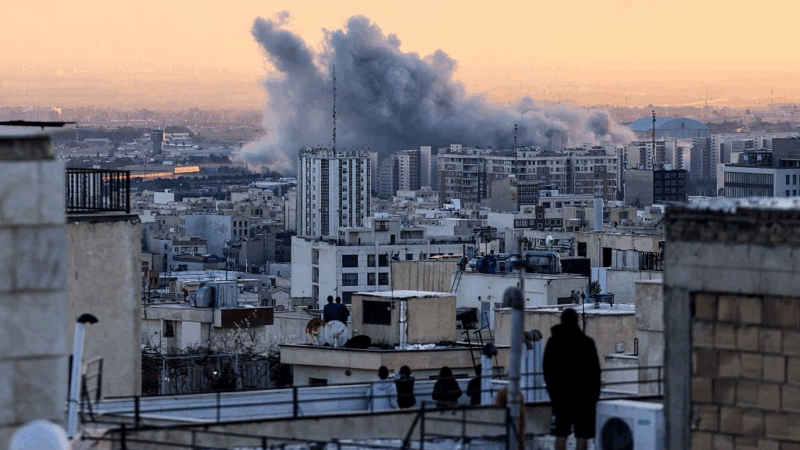
Israel launches new strikes in Tehran as public farewell for Khamenei begins
Israel's military said it had begun a "broad wave of strikes" in Tehran Wednesday morning. U.S. officials touted early gains, while Democrats warned the war could widen.
