
U.S. military says strikes on 3 boats in the eastern Pacific Ocean kill 8 people

WASHINGTON — The U.S. military said Monday that it attacked three boats accused of smuggling drugs in the eastern Pacific Ocean, killing a total of eight people as scrutiny over the boat strikes is intensifying in Congress.
The military said in a statement on social media that the strikes targeted “designated terrorist organizations,” killing three people in the first vessel, two in the second boat and three in the third boat. It didn’t provide evidence of their alleged drug trafficking but posted a video of a boat moving through water before exploding.
President Donald Trump has justified the attacks as a necessary escalation to stem the flow of drugs into the United States and asserted the U.S. is engaged in an “armed conflict” with drug cartels. But the Trump administration is facing increasing scrutiny from lawmakers over the boat strike campaign, which has killed at least 95 people in 25 known strikes since early September, including a follow-up strike that killed two survivors clinging to the wreckage of a boat after the first hit.
The latest boat strikes come on the eve of briefings on Capitol Hill for all members of Congress as questions mount over the Trump administration’s military campaign.
Defense Secretary Pete Hegseth, Secretary of State Marco Rubio and other top national security officials are expected to provide closed-door briefings for lawmakers in the House and Senate.
The campaign has ramped up pressure on Venezuelan President Nicolás Maduro, who has been charged with narcoterrorism in the U.S. In a sharp escalation last week, U.S. forces seized a sanctioned oil tanker that the Trump administration has accused of smuggling illicit crude. Maduro has insisted the real purpose of the U.S. military operations is to force him from office.
The U.S. military has built up its largest presence in the region in decades and launched a series of deadly strikes on alleged drug-smuggling boats in the Caribbean Sea and eastern Pacific Ocean. Trump says land attacks are coming soon but has not offered any details on location.
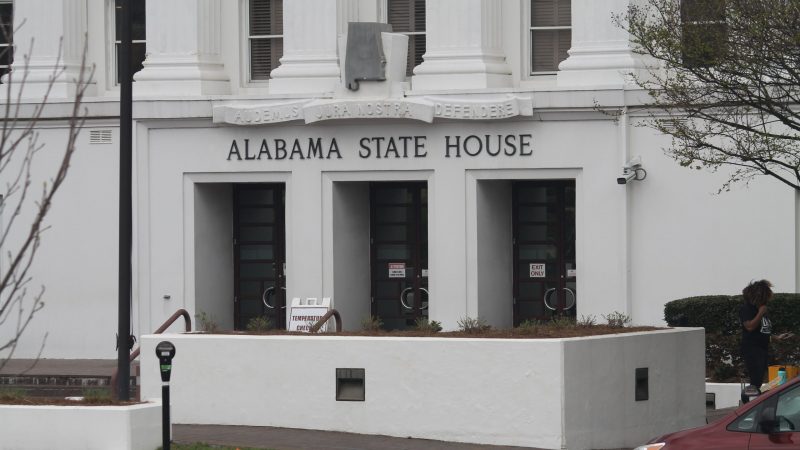
Bill making the Public Service Commission an appointed board is dead for the session
Usually when discussing legislative action, the focus is on what's moving forward. But plenty of bills in a legislature stall or even die. Leaders in the Alabama legislature say a bill involving the Public Service Commission is dead for the session. We get details on that from Todd Stacy, host of Capitol Journal on Alabama Public Television.
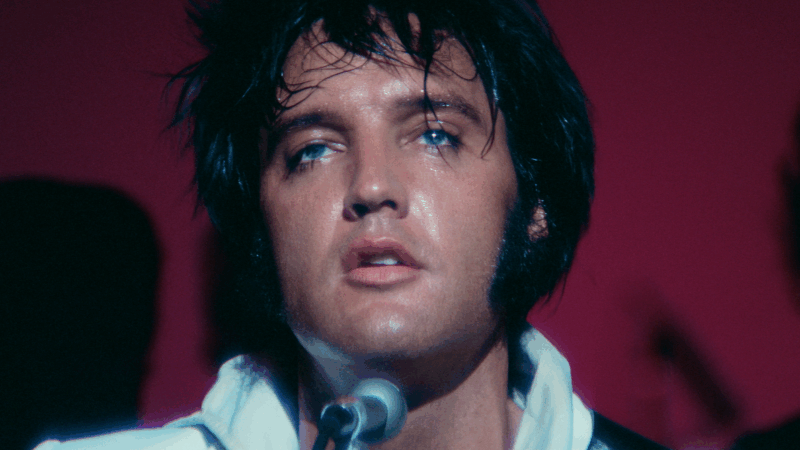
Baz Luhrmann will make you fall in love with Elvis Presley
The new movie is made up of footage originally shot in the early 1970s, which Luhrmann found in storage in a Kansas salt mine.

My doctor keeps focusing on my weight. What other health metrics matter more?
Our Real Talk with a Doc columnist explains how to push back if your doctor's obsessed with weight loss. And what other health metrics matter more instead.

Forget the State of the Union. What’s the state of your quiz score?
What's the state of your union, quiz-wise? Find out!

A team of midlife cheerleaders in Ukraine refuses to let war defeat them
Ukrainian women in their 50s and 60s say they've embraced cheerleading as a way to cope with the extreme stress and anxiety of four years of Russia's full-scale invasion.

As the U.S. celebrates its 250th birthday, many Latinos question whether they belong
Many U.S.-born Latinos feel afraid and anxious amid the political rhetoric. Still, others wouldn't miss celebrating their country
