
U.S. intervention in Venezuela divides Houston
HOUSTON — It’s been barely a month since U.S. forces swooped into Venezuela and snatched up strongman Nicolás Maduro. The raid convulsed that country, and the effects still ripple through this oil-rich city, home to major petroleum companies as well as a large Venezuelan community.
Some people here fear what U.S. intervention might bring. Others see a powerful message to the world and an opportunity. In the suburb of Katy, Freddy Pereira is buying chocolate Ovaltine and lollipops from a Venezuelan grocery store to remind his 9-year-old daughter of home. Pereira, 42, says he left Venezuela two years ago after the mafia kept extorting meals from his restaurant and the cops were no help. The U.S. seizure of Maduro gives him hope.
“I am very grateful to President Trump for everything he has done,” says Pereira, who wears a “Lone Star State” cap and now makes a living delivering food. “I finally see a light in this dark tunnel where we couldn’t see a way out.”

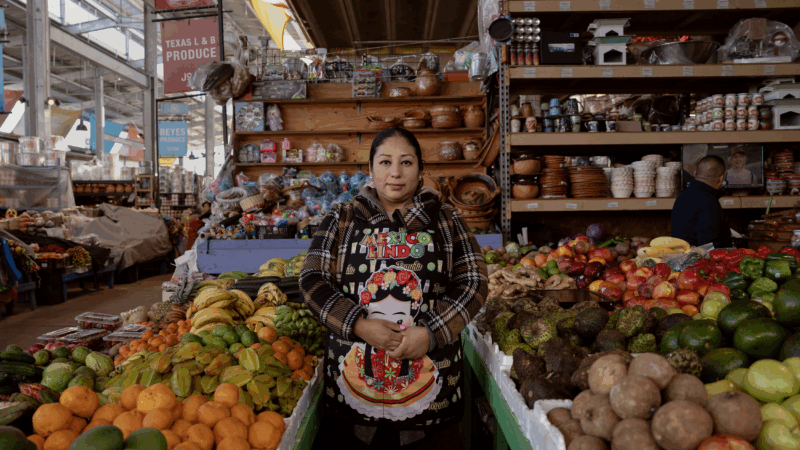
A 30-minute drive east of Katy is the Houston Farmers Market where Lupita Gutierrez sells fruit and vegetables. Gutierrez, who is 39 and from Mexico, thinks the Trump administration seized Maduro to distract from problems here at home, including high food prices and protests over ICE raids.
“The United States is going through a lot of problems,” says Gutierrez, who wears an apron that reads, “Mexico Lindo,” or “Beautiful Mexico.” “I think it’s mainly because the president isn’t doing the job he should be doing to take care of all the people who live here.”Gutierrez was one of nearly two dozen local residents interviewed about the U.S intervention in Venezuela. Most opposed it. A recent New York Times/Siena poll found similar results, with 53% disapproving of Trump’s handling of Venezuela and 41% approving.
Clay Duncan, who works for a medical device company, is among those 41%. He was still wearing his blue scrubs when NPR caught up with him one evening in Rice Village, a shopping and restaurant district near Rice University. Duncan is still impressed with how U.S. special forces captured Maduro.
“I think that’s also a warning to other countries when you push the administration, when you push the American people to a certain point, we’re going to take action,” Duncan says.
The Trump administration accuses Venezuela of smuggling drugs that are killing Americans, and Duncan thinks getting rid of Maduro will help. But the U.S. Drug Enforcement Administration says Venezuela plays no role in fentanyl smuggling and that most cocaine is produced in Colombia.

Duncan also hopes the U.S. can revive Venezuela’s oil industry and help its people.
“We’re not an imperialistic country,” Duncan says. “That’s not what this is. I think if we help set them up on their own feet so that they can get their sea legs and run the country, that’s what’s best for them.”
Several miles north of Rice village is a café called Brazil. Paintings of LBJ and Larry Hagman — who played JR on the ’80s TV show Dallas — hang over the bar.

Gwen McMurrey, 38, an interior designer, is writing thank-you notes over a latte and a blueberry scone. She thinks the U.S. intervention in Venezuela is a scam.
“It just seems like such an obvious oil grab,” McMurrey says. “Trump is dangerous and … stupid, which is fine, a lot of people are stupid, but he’s just got too much power for that to be safe.”
A few tables away sits Shanna Berry, 52, a retired hairdresser. She supports Trump and is glad Maduro’s gone, but she worries Trump might deploy a sizable U.S. force to the country. Berry served in the Air Force as a munitions specialist and says she was in Kuwait after the first Gulf War.

“So many men went over there to defend our country, and they’ve come back with things like severe PTSD and really bad injuries. And my fear is that it once again will be for nothing,” she says.
Trump wants U.S. companies to rebuild Venezuela’s oil industry. But some are wary — in the past, the Venezuelan government forced them to renegotiate contracts on worse terms. In addition, most Venezuelan oil has the consistency of peanut butter, making it costly to move and refine.
But retired oil worker John Rodriguez, 58, sees opportunity. He spoke to NPR at a roadhouse one night near the refineries east of the city.

“I believe it would have a huge impact on the ability for us to produce and create jobs for the industry,” Rodriguez says, adding that the top refineries in the area are able to manage what he calls Venezuela’s “dirty crude.”
Historically, U.S. intervention in Latin America — from Chile to Guatemala — has often left the countries and people worse off. Rodriguez is wary of the U.S. inserting itself again.
“If we’re going to take over a country like that we need to be able to support it,” Rodriguez says. “We need to be able to help the people.”
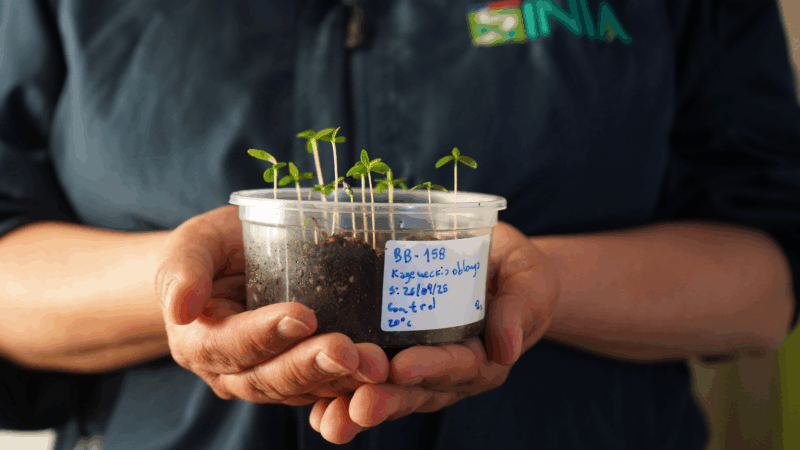
In the world’s driest desert, Chile freezes its future to protect plants
Tucked away in a remote desert town, a hidden vault safeguards Chile's most precious natural treasures. From long-forgotten flowers to endangered crops.

At a clown school near Paris, failure is the lesson
For decades, students at the Ecole Philippe Gaulier have been paying to bomb onstage. The goal isn't laughs — it's learning how to take the humiliation and keep going.
Iran’s supreme leader warns any US attack would spark ‘regional war’
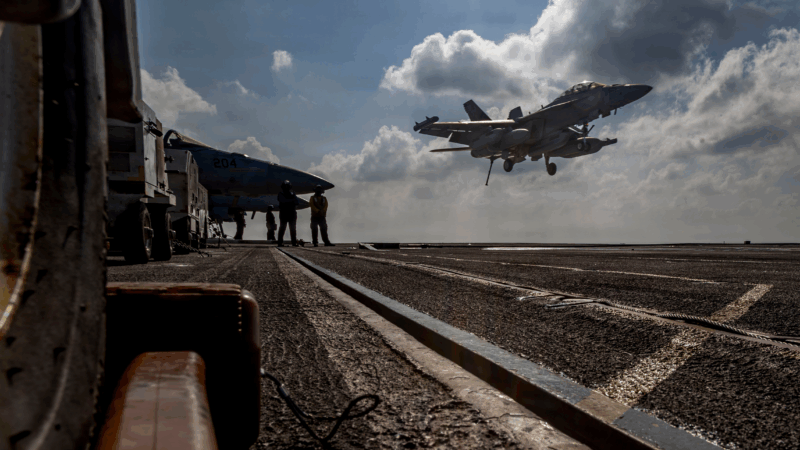
Iran's supreme leader warned Sunday that any attack by the United States would spark a "regional war" in the Mideast, further escalating tensions as President Donald Trump has threatened to militarily strike the Islamic Republic.
Minnesota citizens detained by ICE are left rattled, even weeks later
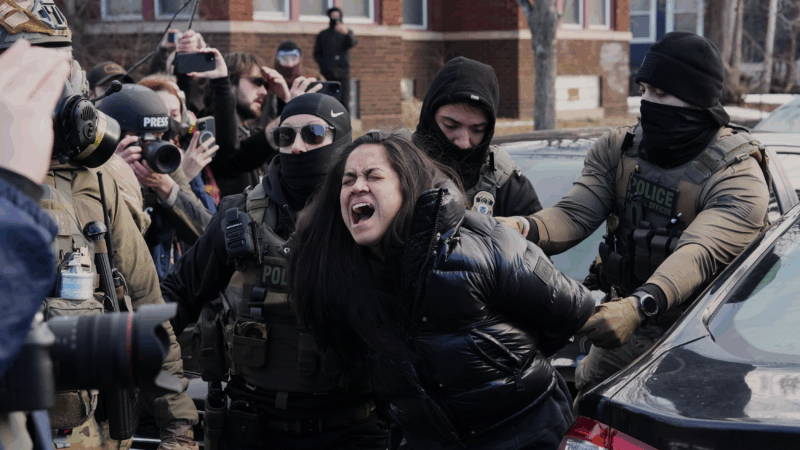
The number of immigration agents in Minnesota may be reduced, but they'll leave leave behind a changed community, including many U.S. citizens questioned and detained in recent weeks.

Gaza border crossing buzzes with activity after years of near-complete closure
Reopening the border crossing is a key step as the Israel-Hamas ceasefire moves ahead.
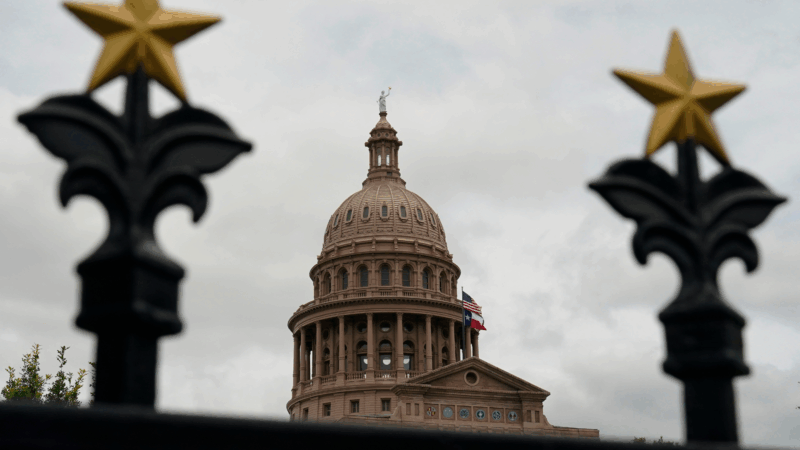
Democrat Taylor Rehmet wins a reliably Republican Texas state Senate seat, stunning GOP
Democrat Taylor Rehmet won a special election for the Texas state Senate on Saturday, flipping a reliably Republican district that President Donald Trump won by 17 points in 2024.
