
Trump suspends U.S. green card lottery after Brown University and MIT shootings
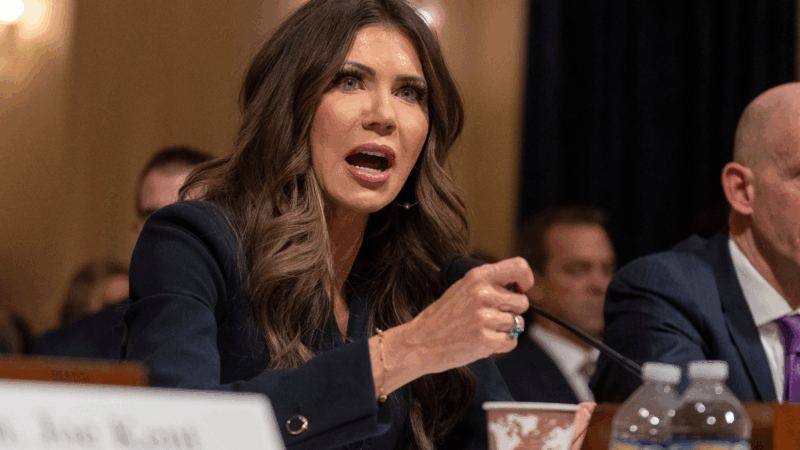
President Donald Trump suspended the green card lottery program on Thursday that allowed the suspect in the Brown University and MIT shootings to come to the United States.
Homeland Security Secretary Kristi Noem said in a post on the social platform X that, at Trump’s direction, she is ordering the United States Citizenship and Immigration Services to pause the program.
“This heinous individual should never have been allowed in our country,” she said of the suspect, Portuguese national Claudio Neves Valente.
Neves Valente, 48, is suspected in the shootings at Brown University that killed two students and wounded nine others, and the killing of an MIT professor. He was found dead Thursday evening from a self-inflicted gunshot wound, officials said.
Neves Valente had studied at Brown on a student visa beginning in 2000, according to an affidavit from a Providence police detective. In 2017, he was issued a diversity immigrant visa and months later obtained legal permanent residence status, according to the affidavit. It was not immediately clear where he was between taking a leave of absence from the school in 2001 and getting the visa in 2017.
The diversity visa program makes up to 50,000 green cards available each year by lottery to people from countries that are little represented in the U.S., many of them in Africa. The lottery was created by Congress, and the move is almost certain to invite legal challenges.
Nearly 20 million people applied for the 2025 visa lottery, with more than 131,000 selected when including spouses with the winners. After winning, they must undergo vetting to win admission to the United States. Portuguese citizens won only 38 slots.
Lottery winners are invited to apply for a green card. They are interviewed at consulates and subject to the same requirements and vetting as other green-card applicants.
Trump has long opposed the diversity visa lottery. Noem’s announcement is the latest example of using tragedy to advance immigration policy goals. After an Afghan man was identified as the gunman in a fatal attack on National Guard members in November, Trump’s administration imposed sweeping rules against immigration from Afghanistan and other counties.
While pursuing mass deportation, Trump has sought to limit or eliminate avenues to legal immigration. He has not been deterred if they are enshrined in law, like the diversity visa lottery, or the Constitution, as with a right to citizenship for anyone born on U.S. soil. The Supreme Court recently agreed to hear his challenge to birthright citizenship.
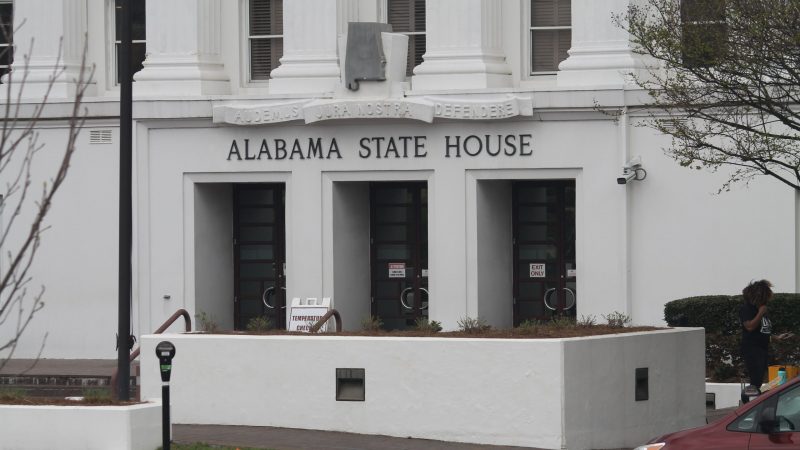
Bill making the Public Service Commission an appointed board is dead for the session
Usually when discussing legislative action, the focus is on what's moving forward. But plenty of bills in a legislature stall or even die. Leaders in the Alabama legislature say a bill involving the Public Service Commission is dead for the session. We get details on that from Todd Stacy, host of Capitol Journal on Alabama Public Television.
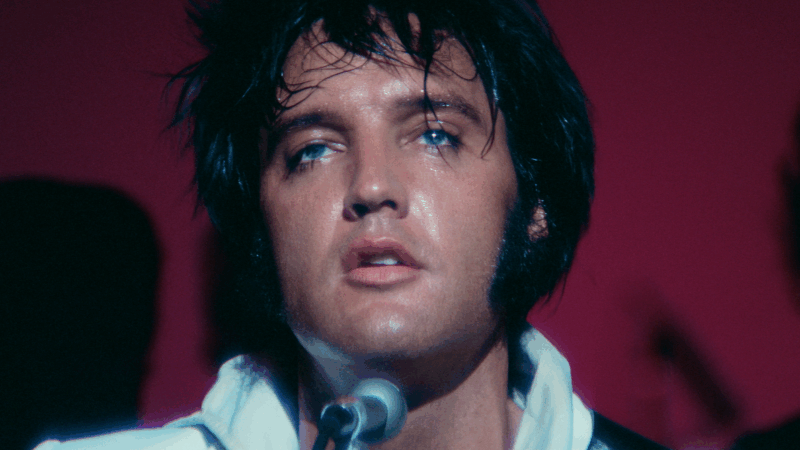
Baz Luhrmann will make you fall in love with Elvis Presley
The new movie is made up of footage originally shot in the early 1970s, which Luhrmann found in storage in a Kansas salt mine.

My doctor keeps focusing on my weight. What other health metrics matter more?
Our Real Talk with a Doc columnist explains how to push back if your doctor's obsessed with weight loss. And what other health metrics matter more instead.
Forget the State of the Union. What’s the state of your quiz score?
What's the state of your union, quiz-wise? Find out!

A team of midlife cheerleaders in Ukraine refuses to let war defeat them
Ukrainian women in their 50s and 60s say they've embraced cheerleading as a way to cope with the extreme stress and anxiety of four years of Russia's full-scale invasion.

As the U.S. celebrates its 250th birthday, many Latinos question whether they belong
Many U.S.-born Latinos feel afraid and anxious amid the political rhetoric. Still, others wouldn't miss celebrating their country
