
Trump struggles to find his economic messaging amid voter skepticism
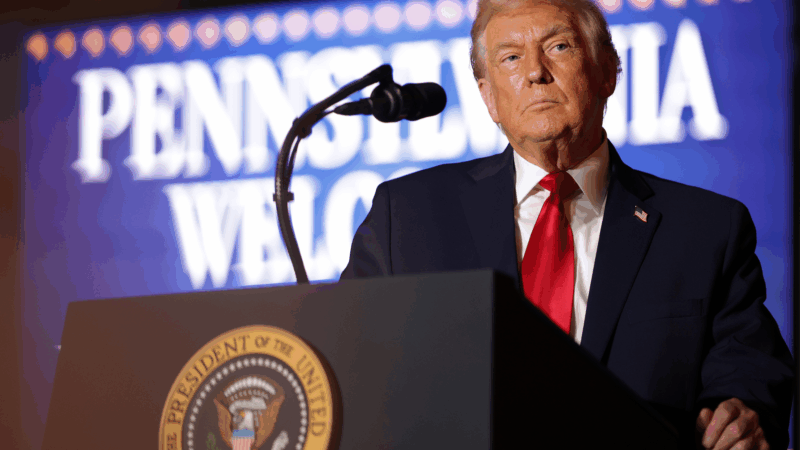
President Trump spent the week making a bold case about a booming US economy with even better times ahead, as his economic policies kick in. The problem for Trump is that polls show a wide swath of Americans aren’t feeling that optimism yet – and in his initial attempts at addressing the cost of living, he called the affordability issue a Democratic “hoax.”
Hoping to tackle the messaging disconnect, the White House rolled out a $12 billion farmer aid package and sent President Trump to Pennsylvania this week to make his case.
Trump has frequently shown himself a strong economic messenger – winning re-election in 2024 by lambasting Joe Biden’s economy. But one year into his presidency, Trump is struggling to convince Americans that the economic pain they see in their cost-of-living expenses isn’t real.
In part, the president’s whiplash messaging could stem from his struggle to portray his own economy as less than perfect.
“You know, they always have a hoax. The new word is affordability. So they look at the camera and they say, ‘this election is all about affordability,’ ” he said Tuesday in Pennsylvania, referring to Democrats in the wake of the most recent November elections who won handily by focusing on kitchen table issues.
Out of touch
The dismissive tone goes beyond the president; last weekend, on CBS’s Face the Nation, Margaret Brennan asked Treasury Secretary Scott Bessent to respond to polls showing a majority of Americans think Trump makes prices and inflation seem better than they really are.
“I think the president is frustrated by the media coverage of what’s going on. This is polling of average Americans …average Americans are hearing about it from media coverage,” he said.
By some metrics the economy isn’t doing badly – the White House has been pointing to falling gas prices and the fact that wages have been outstripping inflation.
But that’s likely falling on deaf ears, says Michael Strain, an economist at the right-leaning American Enterprise Institute. He added that President Biden tried the same thing.
“I think it is strange to see President Trump and before him President Biden try to engage in an argument with the American people about the American people’s view of their economic circumstances,” he said.
Even while some economic indicators look good, several others are inflicting pain on voters. For example, inflation is elevated — boosted by tariffs.
Amid all of this came more emphatic denials from Trump that anything is wrong. Asked by Politico’s Dasha Burns in an interview this week what grade he would give his economy, he replied: “A +++++ .”
And that denial extends to how the administration talks about its policies. Whether it’s talking about farm aid or grocery costs, the administration has been deeply reluctant to acknowledge that its trade policy has made life harder for many Americans.
Adding to the at-times tone-deaf messaging has been Trump’s focus on multi-million dollar White House renovations and a ballroom, a Cabinet featuring multiple billionaires and the president’s regular weekend trips to his ritzy Mar-a-Lago club.
Who to blame
And when administration officials do acknowledge economic pain, they often pin the blame on Joe Biden.
“What we’re not gonna do is say Americans don’t know what they’re feeling,” Bessent said. “We’ve got this embedded inflation from the Biden years.”
That Biden-economy hangover is real, said Federal Reserve Chairman Jerome Powell this week.
“We hear loud and clear how people are experiencing costs, really high costs. And a lot of that is not the current rate of inflation. A lot of that is just embedded higher cost due to higher inflation in 2022 and ’23,” he said.
Importantly, Powell wasn’t blaming Biden for the inflation, which had complex causes. But no matter what, 11 months into the Trump administration, Americans may not want a scapegoat so much as a fix. And some obvious ways to address the affordability issue may be politically and ideologically off the table for Trump.
Justin Wolfers, an economist at the University of Michigan, says the president could help by finding a way to mitigate the Obamacare premiums set to spike in the new year or by removing tariffs he implemented earlier this year.
“Is there a way that a president could fix the affordability problem? And the answer in this case is definitely yes,” he said.
But so far, the White House says it’s sticking to their policies and banking on Americans’ coming around.
“As the President said, much work remains to fully put Biden’s inflation crisis behind us, but the Administration’s tax cuts, deregulation, energy abundance, historic drug pricing deals, and trade deals continue to pay off – as these policies did during President Trump’s first term – with real wages increasing and growth rebounding,” White House spokesman Kush Desai told NPR.
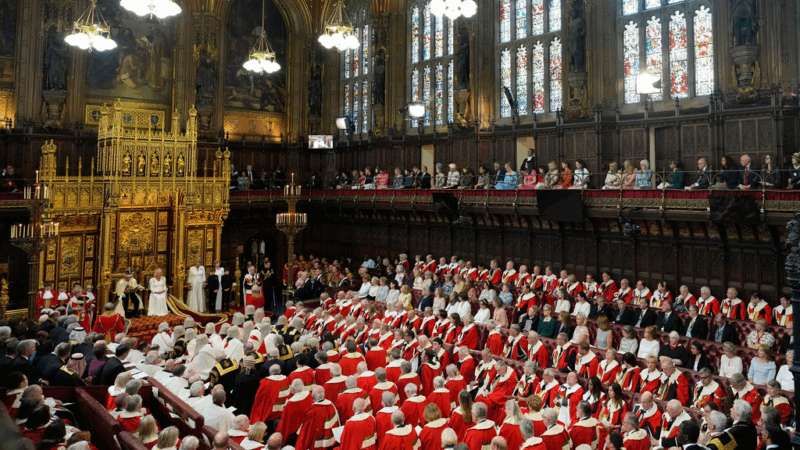
No Nobles Day: Britain’s Parliament boots its last hereditary Lords after 700 years
Government minister Nick Thomas-Symonds said the change put an end to "an archaic and undemocratic principle." The removed aristocrats are 92 of the House of Lords' 800 members.

On her new album, Kacey Musgraves returns home, to the ‘Middle of Nowhere’
Before making her upcoming sixth album, the country star returned to her small-town Texas home and discovered the power of in-between spaces. "I found a lot of clarity there," she says.

How the Iran war is disrupting air travel — and advice if you’re planning a trip
The war in Iran is roiling jet fuel prices and airlines are beginning to hike prices, unsettling travelers far from the Middle East. If you're booking a flight soon, here are things to know.

ChatGPT might give you bad medical advice, studies warn
New research finds AI can point people in the wrong direction. And the quality of health information it imparts depends on how well you prompt the tools.
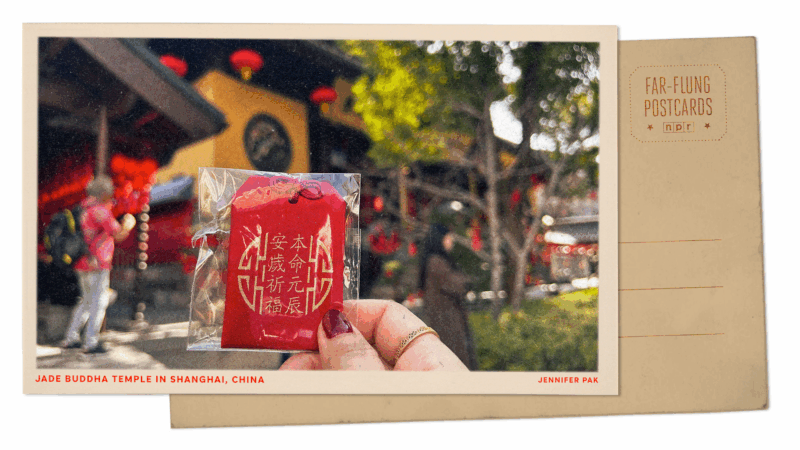
Greetings from a Shanghai temple where you can ward off bad luck in the Year of the Horse
According to Chinese mythology, those born in the Year of the Horse will clash with Tai Sui, a heavenly general. Luckily, there are ways to appease Tai Sui, including amulets at Shanghai's Jade Buddha Temple.
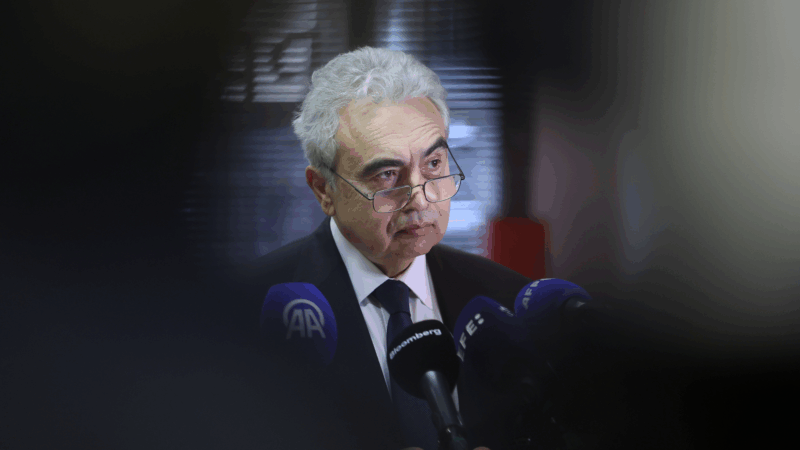
Countries agree to historic release of stockpiled oil to ease the global disruption
Members of the International Energy Agency have announced a coordinated release of 400 million barrels of stockpiled oil in an attempt to counter the disruption in oil trade triggered by the Iran war.
