
Trump struck deals with 16 drug companies. But they’re still raising prices this year
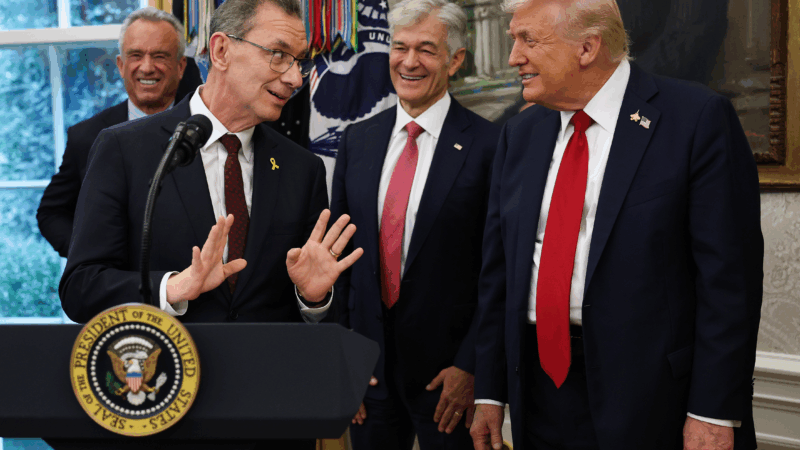
Since September, 16 major drug companies have inked deals with the Trump administration to lower prices. But in January — the time of year when pharmaceutical companies typically roll out price hikes — all 16 companies released higher list prices for some of their drugs.
The agreements, nicknamed “most favored nation” deals, were aimed at getting lower prices for American consumers and pushing other wealthy countries to pay higher prices for new drugs.
But drug companies, including the 16 that made deals, raised the prices of 872 brand-name drugs in the first two weeks of 2026, according to a new analysis by 46brooklyn, a drug price research firm.
The drugs with price hikes included medicines to treat cancer, heart failure and Type 2 diabetes. The price of some COVID shots also went up.
“The real truth serum is what’s happening in the marketplace after those deals occur,” says Antonio Ciaccia, CEO of 46brooklyn, a nonprofit that tracks the list prices of prescription medications. “January is prime time for list price changes on brand-name drugs. So in examining where we are today, we’re pretty much in line with the last few years.”
Loading…
The price increases came in at a median of 4% — the same as last year — despite the deals announced with fanfare by the Trump administration.
Pharmaceutical list prices are the starting point for negotiations with insurers and the middlemen known as pharmacy benefit managers. List prices play a role in which drugs insurers choose to cover and what the patient ultimately pays out of pocket at the pharmacy counter.
Asked about the price hikes and whether they break the terms of the deals, White House spokesperson Kush Desai said the list prices aren’t important and that the specific discounts addressed in the deals are coming to state Medicaid programs and patients who want to pay cash for some prescriptions.
The White House announced Thursday that it was asking Congress to pass legislation to support its Great Healthcare Plan. During a press call, Dr. Mehmet Oz, who leads the Centers for Medicare & Medicaid Services, claimed the plan would “codify” what was in the individually negotiated drug company deals.
What we know about the deals
Details are hard to come by since the administration’s deal documents haven’t been made public.
During the press conferences, health and White House officials mentioned the companies had made commitments for Medicaid discounts — but that’s something the program already gets, says Dr. Ben Rome, a health policy researcher at Brigham and Women’s Hospital.
The deals also included pledges for future drugs to be launched at the same price in other wealthy countries as in the U.S. And some drugs will be made available at a discount to cash-paying customers — that is, those who are uninsured or not using their health insurance — through a new website called TrumpRx.gov.
But those efforts don’t affect prices for a lot of the companies’ products and most health care consumers and insurance plans.
“Those deals probably are not very important in terms of manufacturer drug pricing and the prices paid by most Americans for prescription drugs,” says Rome.
Pfizer, which reached the first deal with the Trump administration in September, raised the prices of 72 products in January, according to 46brooklyn. They include a 15% increase on the price of its COVID shot.
New York-based Pfizer says its new price increases were modest, and necessary to invest in new medicines and address added expenses. In an email to NPR, the company also pointed out that while list prices have gone up, the prices that insurance companies actually wind up paying Pfizer, after various discounts and rebates paid to middlemen and other programs, have gone down.
Merck also raised prices on 18 products, including Isentress for HIV and Belsomra for insomnia, according to 46brooklyn’s data.
The New Jersey-based company said in an email that it made these decisions “responsibly to reflect a product’s clinical value to patients and the health care system.” Asked about how the price increases fit into its agreement with the administration, Merck spokesperson Julie Cunningham said the “exact terms” are “confidential,” but the company is working on “fairer global pricing.”
Some drug prices went down
There were 18 big price cuts in the first few days of the year, according to 46brooklyn. That includes four drugs that were part of the first round of Medicare drug price negotiation — an initiative launched by the Biden administration as part of the Inflation Reduction Act.
The negotiations lowered some drug prices paid by Medicare, but many wondered whether that might also lead to lower prices for privately insured patients.
The new data holds some clues. Fiasp, an insulin product, got a 75% price cut in the commercial market, according to the 46brooklyn data. The drug’s maker, Novo Nordisk, said it also cut the prices of other drugs, and its goal was to make them more affordable for patients.
AstraZeneca’s Farxiga and Boehringer Ingelheim’s Jardiance, both used for diabetes and heart failure, and the blood thinner Eliquis, made by Bristol Myers Squibb, also got price drops between 37% and 44%.
When a company decides to lower prices, it’s due to a variety of factors and policies, but 46brooklyn’s Ciaccia says, “Medicare drug price negotiations, I would argue, are the straw that broke the camel’s back.”
Dr. Ben Rome isn’t sure he agrees with that analysis: “It’s hard to sort of pin any one drug or any one situation on any one policy,” he says. “But it’s probably a confluence of factors that have led to some of these drug [companies] making that decision.”
After the first round of negotiations in 2024, Medicare prices for 10 chosen drugs were reduced by 38% to 79%, with those discounts going into effect in January of 2026.
The new report presents a mixed picture of what happened to those drugs outside of Medicare: Four posted big drops in list price this month, four didn’t have price changes and two had price increases.
Loading…
Transcript:
JUANA SUMMERS, HOST:
Every January, drug companies typically raise prices for hundreds of brand-name drugs, but over the last few years, the Trump and Biden administrations have tried to rein in high drug prices. NPR pharmaceuticals correspondent Sydney Lupkin is here with more. Hi.
SYDNEY LUPKIN, BYLINE: Hi.
SUMMERS: So, Sydney, start by telling us how many drug prices went up this year.
LUPKIN: Yeah. Prices for 872 drugs have increased in the first two weeks of 2026, and there could still be more before the month is over. They included drugs that treat cancer, Type 2 diabetes, even COVID shots and antibiotics were on the list. That’s according to an analysis by 46brooklyn, a drug price research firm. Here’s Antonio Ciaccia, 46brooklyn’s CEO.
ANTONIO CIACCIA: January is prime time for list price changes on brand-name drugs. So in examining where we are today, we’re pretty much in line with the last, you know, few years.
LUPKIN: And while those drug price hikes are pretty modest, a median of 4%, they still have an effect on the overall health system. These are list prices, which play a role in which drugs insurers choose to cover and what the patient ultimately pays at the pharmacy counter.
SUMMERS: But I thought that the Trump administration was actively trying to lower drug prices. So what’s going on here?
LUPKIN: Yeah. The Trump administration has been trying to crack down on high drug prices in America and getting other countries to pay their, quote, “fair share.” The administration calls it most-favored nation drug pricing. Since the end of September, 16 companies have made deals in exchange for a break on certain tariffs. The deals vary but include discounts on some drugs available to people paying cash, that is, not using their health insurance. A new website with those offers, called trumprx.gov, is supposed to launch later this month, but the 46brooklyn data show that, in fact, all of those companies have increased at least some of their list prices so far in 2026.
SUMMERS: So if I understand correctly, you’re saying that some of these companies raised prices even though they made deals with the Trump administration?
LUPKIN: Yeah. The deals were short on details and were limited. They mentioned cash prices for some drugs and some vague commitments for Medicaid discounts, something the program already gets. The bigger pledge was for future drugs being launched at the same price here as in other wealthy countries, but that leaves a lot of the companies’ products untouched. Here’s Dr. Ben Rome, a physician and health policy researcher at Brigham and Women’s Hospital.
BEN ROME: Those deals probably are not very important in terms of manufacturer drug pricing and the prices paid by most Americans for prescription drugs.
LUPKIN: So Pfizer, which inked the first Trump administration deal in the fall, raised prices on 72 products, according to 46brooklyn. They include a 15% increase on the price of its COVID shot.
SUMMERS: And what does Pfizer say about that?
LUPKIN: Yeah. Pfizer says its price increases were modest and necessary to invest in new medicines and address added costs. In an email to NPR, Pfizer also pointed out that while list prices have gone up, the prices insurance companies pay them have gone down because of bigger rebates and discounts. I asked the Trump administration about the January price increases, and the White House told me list prices don’t really matter.
SUMMERS: OK. Sydney, we’ve talked about increases, but were there any decreases?
LUPKIN: There were. There were 18 big price cuts in the first few days of the year, including four drugs that were part of Medicare drug price negotiation, which was actually a Biden administration initiative. The negotiations lowered prices for Medicare, and a big question was whether that would affect prices for everyone else. Now, we see that it was likely at least a factor in lowering prices in the commercial market. Fiasp, an insulin, got a 75% price cut. Farxiga and Jardiance, both for diabetes and heart failure, and the blood thinner Eliquis, also got big price drops. But I should add that these are decisions that companies make based on a variety of factors and policies.
SUMMERS: NPR pharmaceuticals correspondent Sydney Lupkin. Thank you.
LUPKIN: You bet.
Chicagoans pay respects to Jesse Jackson as cross-country memorial services begin
Memorial services for the Rev. Jesse Jackson Sr. to honor his long civil rights legacy begin in Chicago. Events will also take place in Washington, D.C., and South Carolina, where he was born and began his activism.
In reversal, Warner Bros. jilts Netflix for Paramount
Warner Bros. says Paramount's sweetened bid to buy the whole company is "superior" to an $83 billion deal it struck with Netflix for just its streaming services, studios, and intellectual property.
Trump’s ballroom project can continue for now, court says
A US District Judge denied a preservation group's effort to put a pause on construction
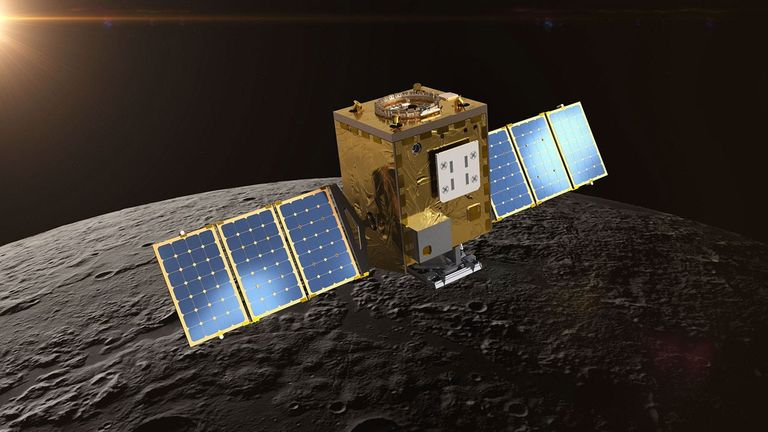
NASA lost a lunar spacecraft one day after launch. A new report details what went wrong
Why did a $72 million mission to study water on the moon fail so soon after launch? A new NASA report has the answer.
Columbia student detained by ICE is abruptly released after Mamdani meets with Trump
Hours after the student was taken into custody in her campus apartment, she was released, after New York City Mayor Zohran Mamdani expressed concerns about the arrest to President Trump.
These major issues have brought together Democrats and Republicans in states
Across the country, Republicans and Democrats have found bipartisan agreement on regulating artificial intelligence and data centers. But it's not just big tech aligning the two parties.
