
Trump issues a Columbus Day proclamation to ‘reclaim’ the explorer’s legacy
President Trump has signed a proclamation declaring Monday to be Columbus Day, in an effort to “reclaim” what he called the famed explorer’s “extraordinary legacy of faith, courage, perseverance, and virtue.”
The proclamation comes after Trump said in a social media post in April that, to
bring the holiday “back from the ashes,” he would reinstate “Columbus Day under the same rules, dates, and locations, as it has had for all of the many decades before!”
In recent years, many people have instead celebrated Indigenous Peoples Day to recognize Native land and acknowledge the contributions Native Americans have made to the country.
Critics and advocates like Kerri Malloy, a professor of Native American and Indigenous Studies at San José State University, have challenged Columbus Day and Columbus’ legacy. He says Columbus‘ arrival to the Americas “triggered a mass genocide of Indigenous people throughout the Western hemisphere,” which included deadly diseases being spread among them, their land being stolen and being forced into Christianity.
Thursday’s proclamation does not mention Indigenous Peoples Day, but it accuses “left-wing arsonists” of trying to “destroy [Columbus’] name and dishonor his memory.”
Columbus Day is one of 12 federally recognized holidays in 2025. According to the Pew Research Center, 30 states and three U.S. territories recognize Columbus Day in some way, while 17 states and D.C. commemorate Indigenous people on that day. Included in those tallies are the several states that recognize both. In 2021, Joe Biden became the first president to officially recognize Indigenous Peoples Day on the same date as Columbus Day.
Christopher Columbus was born in Italy in 1451 and sailed to what he thought would be Asia in 1492, with support from the Spanish monarchy. He instead arrived in what is now the Bahamas. He would make three more voyages to South America, Central America and the Caribbean before his death, but never made it to what is now the U.S., according to Britannica.
President Benjamin Harrison first commemorated Columbus Day in 1892, a year after anti-Italian rhetoric culminated in the murder of 11 Italian immigrants in New Orleans by a lynch mob. The attack put a strain on the relationship between Italy and the U.S., and the holiday was an olive branch. President Franklin Roosevelt proclaimed it a federal holiday in 1934.
After signing the document on Thursday, Trump said, “We’re back, Italians. We love the Italians.”
Rep. Elise Stefanik, a New York Republican, lauded his proclamation, writing on X, “New Yorkers [love] Columbus Day!”
Rep. Mike Lawler, a New York Republican and Italian American, said on X, “Viva Italia! As a proud Italian-American, I fully support protecting Columbus Day and celebrating the rich history and contributions of Italian-Americans.”
Others weren’t as enthused.
“The proclamation reiterates the American fantasy of Columbus’ voyage, as solely a story of discovery and exploration, versus what it really was about — commerce and the exploitation of resources,” said Malloy, the San José State professor. “You can’t tell a story without telling both sides of it.”
Still, the president is encouraging Americans to celebrate Columbus in some way on the holiday, and display the U.S. flag on all public buildings.
“This is the president trolling people of color, underrepresented minorities that tend not to vote for his party or candidacy,” said Matthew Fletcher, director of the Indigenous Law and Policy Center at Michigan State University. “My sense is there’s not a massive groundswell in favor of Columbus Day anymore, except, possibly, the Italian Americans.”
Fletcher said that regardless of what the day is called, Indigenous people will still celebrate and be celebrated.
“It’s local, it’s tribal, it’s statewide in a lot of places, and it’s still going to be a legitimate thing, and people take it seriously,” he said.
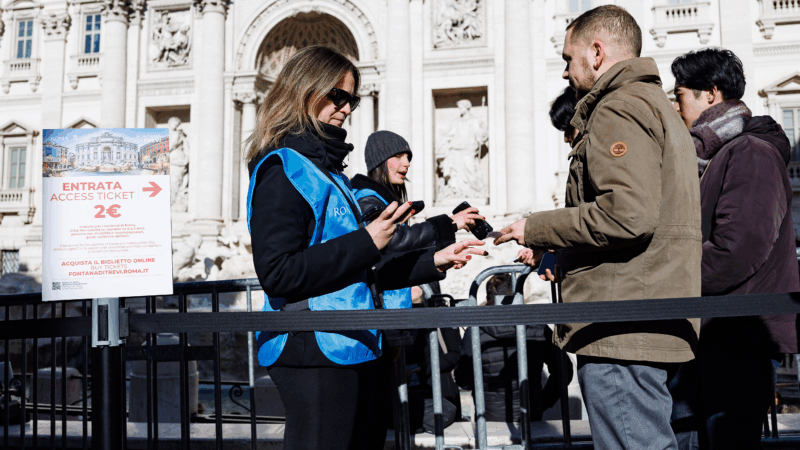
Trevi Fountain fee takes effect as Rome seeks to manage tourist crowds
Tourists hoping to get close to the Trevi Fountain had to pay 2 euros starting Monday as the city of Rome inaugurated a new fee structure to help raise money and control crowds.
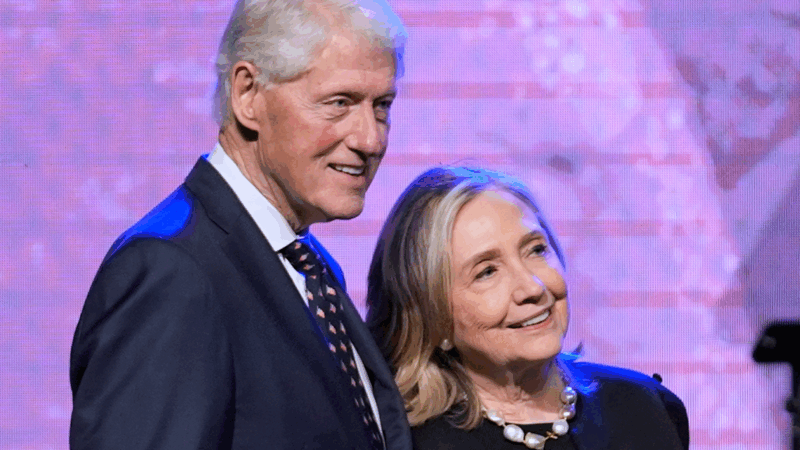
Clintons agree to testify in House Epstein investigation ahead of contempt of Congress vote
Former President Bill Clinton and former Secretary of State Hillary Clinton agreed to testify in a House investigation into convicted sex offender Jeffrey Epstein, but the Republican leading the probe said an agreement had not yet been finalized.
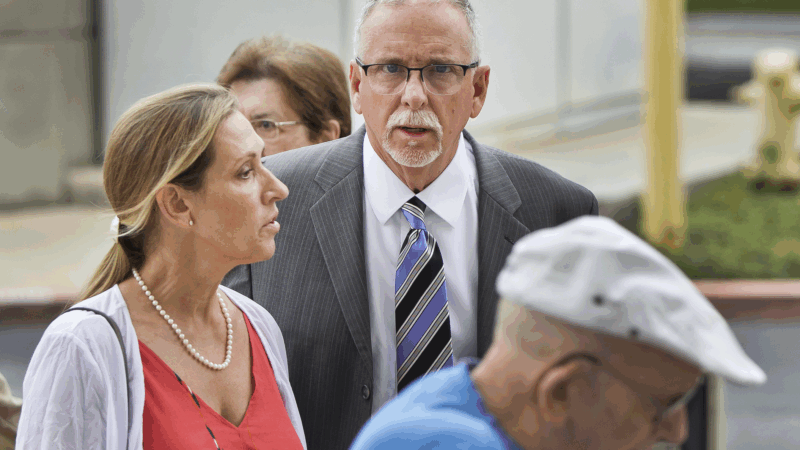
Appeals court overturns former UCLA gynecologist’s sex abuse conviction
It was ruled Dr. James Heaps was denied a fair trial because the judge did not share with his defense counsel a note by the court's foreman pointing out concerns that one juror lacked sufficient English to carry out their duties.
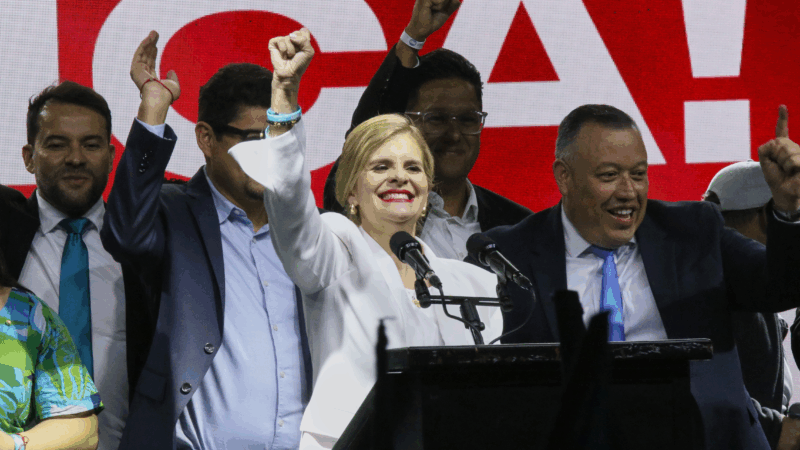
Populist conservative Laura Fernández wins Costa Rica’s presidential election
Candidate Laura Fernández won a resounding victory, promising to continue the aggressive reorienting of the Central American nation's politics started by her predecessor.
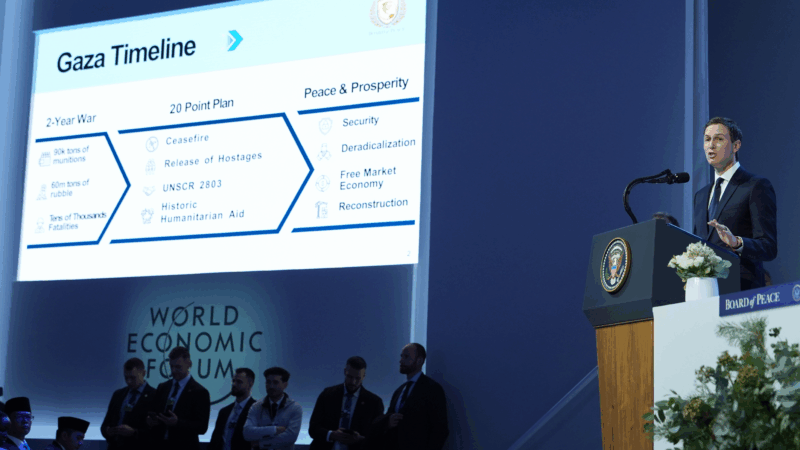
What Jared Kushner’s ‘New Gaza’ plan includes, and what it leaves out
President Trump's son-in-law Jared Kushner laid out a plan for a "New Gaza." A close look suggests it makes room for fewer Palestinians and less housing.
Trump administration sued over visa freeze on immigrants from 75 countries
A group of nonprofit organizations and U.S. citizens Monday filed a lawsuit challenging the Trump administration's sweeping suspension of immigrant visa processing for people from nearly half of the world's countries.
