
Trump invites Colombian president to White House after threatening his country with military strike
WASHINGTON — President Donald Trump abruptly changed his tone Wednesday about his Colombian counterpart, Gustavo Petro, saying they had exchanged a friendly phone call and he’d even invited the leader of the South American country to the White House.
“It was a Great Honor to speak with the President of Colombia, Gustavo Petro, who called to explain the situation of drugs and other disagreements that we have had,” Trump posted on his social media site. “I appreciated his call and tone, and look forward to meeting him in the near future.”
He wrote that the upcoming meeting would take place at the White House.
That came mere days after Trump said in the wake of the U.S. operation to oust Venezuelan President Nicolás Maduro over the weekend that “Colombia is very sick too” and accused Petro of “making cocaine and selling it to the United States.”
In comments to reporters aboard Air Force One on Sunday, Trump added of Petro, “He’s not going to be doing it very long, let me tell you.” Asked whether U.S. intervention was possible, Trump responded, “Sounds good to me.”
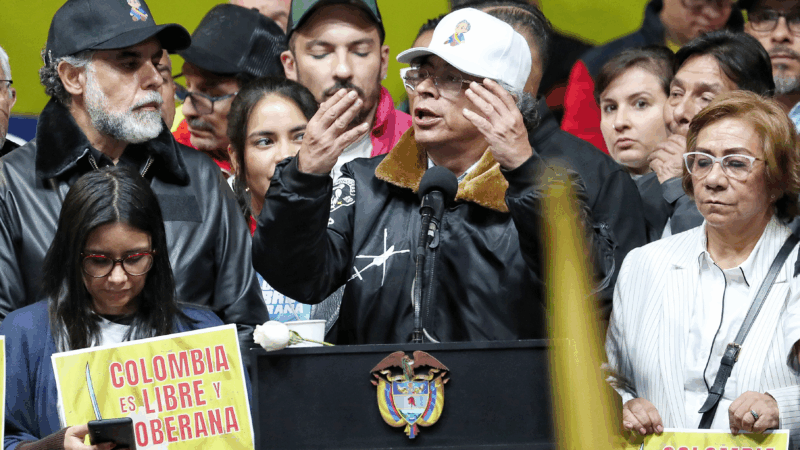
Later Wednesday, addressing thousands of protesters that he had mobilized to rally against U.S. military threats, Petro said he had spoken with Trump for roughly one hour.
“I talked about two things: Venezuela and the issue of drug trafficking,” he told the crowd in downtown Bogotá, where demonstrators had just minutes earlier chanted slogans against the United States at Petro’s behest.
Petro explained to the audience that Colombian politicians allegedly linked to narco-trafficking misled the U.S. president about Petro’s record to turn Trump against him.
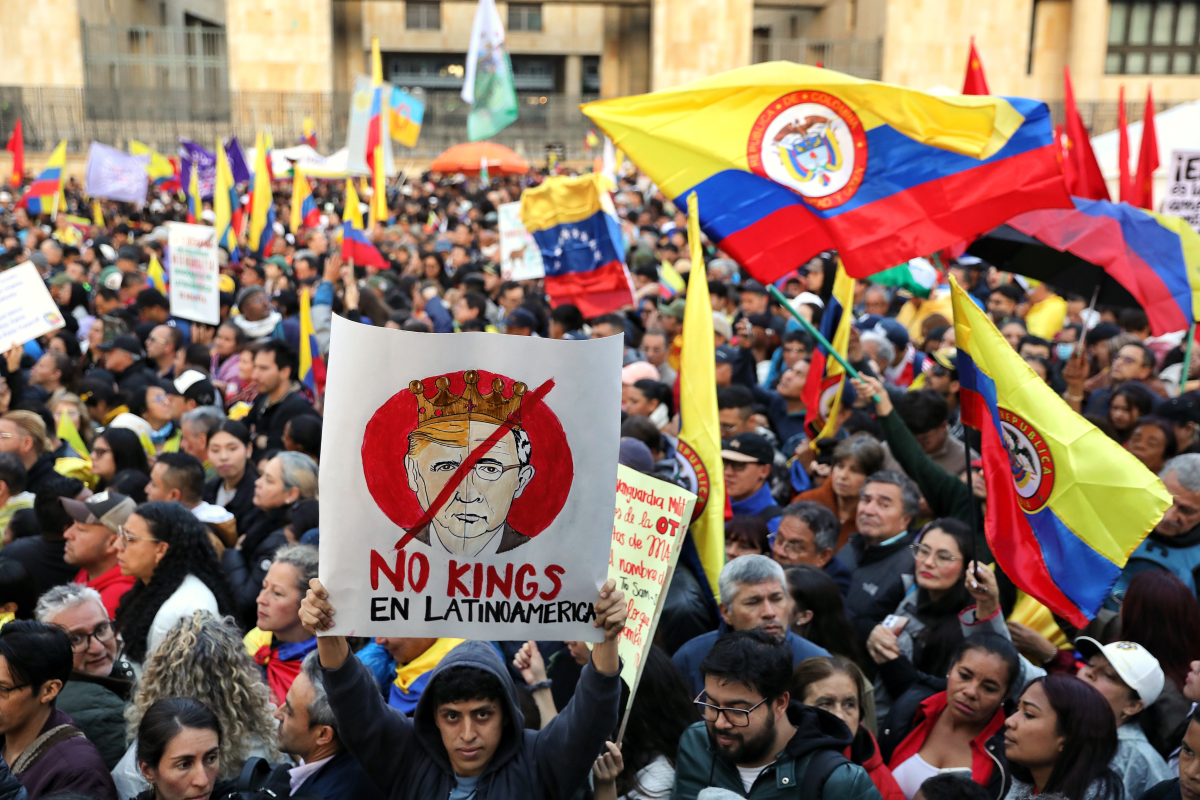
“Those (people) are responsible for this crisis — let’s call it diplomatic for now, verbal for now — that has erupted between the U.S. and Colombia,” he said.
Trump now suddenly warming to Petro is especially surprising since Colombia’s president called the U.S. operation in Venezuela an “abhorrent” violation of Latin American sovereignty. He also suggested it was committed by “enslavers” and constituted a “spectacle of death” comparable to Nazi Germany’s 1937 carpet bombing of Guernica, Spain.
Colombia has long been among America’s staunchest Latin American allies, a pillar of Washington’s counternarcotics strategy abroad. For three decades, the U.S. has worked closely with Colombia, the world’s largest producer of cocaine, to arrest drug traffickers, fend off rebel groups and boost economic development in rural areas.
Still, before Trump’s conciliatory post, tensions had been rising between the U.S. and Colombia for months.
The Trump administration imposed sanctions in October on Petro, his family and a member of his government over accusations of involvement in the global drug trade. Colombia is considered the epicenter of the world’s cocaine trade.
Trump began his monthslong pressure campaign on Maduro by ordering dozens of lethal strikes on alleged drug smuggling boats launched from Venezuela in the Caribbean. He eventually expanded the operations to also target suspected vessels in the eastern Pacific that came from Colombia.
The U.S. in September added Colombia, the top recipient of American assistance in the region, to a list of nations failing to cooperate in the drug war for the first time in almost 30 years. The designation led to a slashing of U.S. assistance to the country.
“He has cocaine mills and cocaine factories,” Trump said of Petro on Sunday. “He’s not going to be doing it.”
On her new album, Kacey Musgraves returns home, to the ‘Middle of Nowhere’
Before making her upcoming sixth album, the country star returned to her small-town Texas home and discovered the power of in-between spaces. "I found a lot of clarity there," she says.
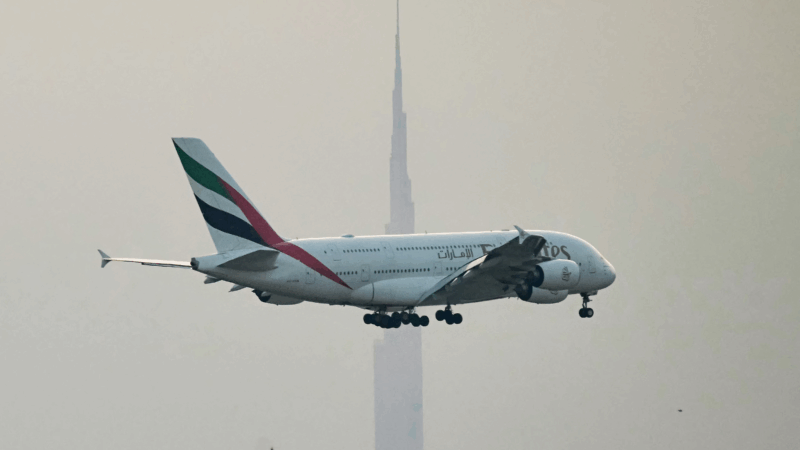
How the Iran war is disrupting air travel — and advice if you’re planning a trip
The war in Iran is roiling jet fuel prices and airlines are beginning to hike prices, unsettling travelers far from the Middle East. If you're booking a flight soon, here are things to know.

ChatGPT might give you bad medical advice, studies warn
New research finds AI can point people in the wrong direction. And the quality of health information it imparts depends on how well you prompt the tools.
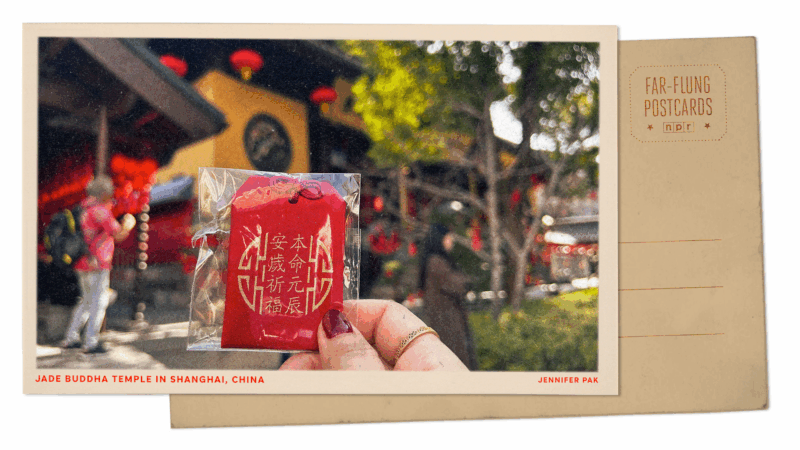
Greetings from a Shanghai temple where you can ward off bad luck in the Year of the Horse
According to Chinese mythology, those born in the Year of the Horse will clash with Tai Sui, a heavenly general. Luckily, there are ways to appease Tai Sui, including amulets at Shanghai's Jade Buddha Temple.
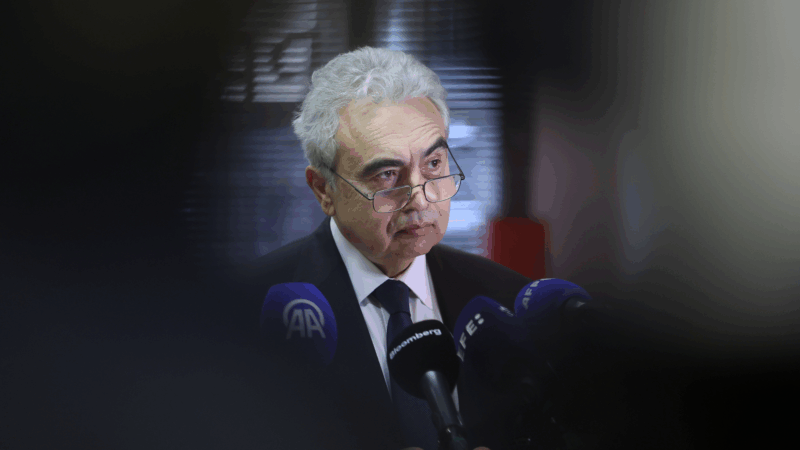
Countries agree to historic release of stockpiled oil to ease the global disruption
Members of the International Energy Agency have announced a coordinated release of 400 million barrels of stockpiled oil in an attempt to counter the disruption in oil trade triggered by the Iran war.

The 2026 Oscars’ best original song nominees, cruelly ranked
There are two clear frontrunners in this year's best original song race, either of which would be a worthy Oscar winner. Diane Warren is also nominated, for the 17th time.
