
Trump calls SCOTUS tariffs decision ‘deeply disappointing’ and lays out path forward
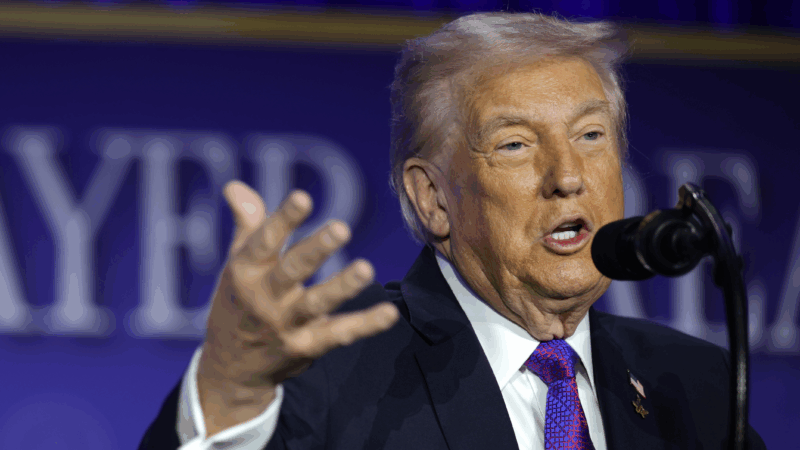
President Trump called the Supreme Court’s decision against his sweeping use of tariffs “deeply disappointing” and slammed the members of the court who ruled against him.
Trump called the justices who opposed his tariffs “fools” and “lapdogs,” charging that they were acting because of liberal partisanship, though three of those ruling against him were appointed by Republican presidents and two were Trump appointees.
“I think it is deeply disappointing, and I’m ashamed of certain members of the court, absolutely ashamed for not having the courage to do what’s right for our country,” he said.
The court – in a 6 to 3 decision – found that a law known as the International Emergency Economic Powers Act does not authorize the president to impose tariffs.
The ruling was the president’s most significant defeat at the Supreme Court since he returned to office, and threatens to upend one of Trump’s favorite and most powerful tools of his economic and foreign policy agenda.
The decision injects even more uncertainty into the future of tariffs, but Trump made clear that he has no plans on giving up on his agenda.
Calling it his “favorite word in the dictionary,” Trump has repeatedly credited his use of tariffs with helping him stop wars and pressure world leaders to bend to U.S. interests.
He boasted about the economic benefits. A recent Congressional Budget Office report found that tariffs were expected to help reduce the deficits by about $3 trillion over a decade. But that same report found that U.S. consumers – not foreign companies – were paying the vast majority of that money.
But while talking with reporters Friday, Trump sought to put a positive spin on the court decision. He said that it would provide certainty for the U.S. economy and that he plans to seek alternatives, which he laid out specifically.
“Their decision’s incorrect. But it doesn’t matter, because we have very powerful alternatives that have been approved by this decision,” he said.
Trump cited a dissent written by Justice Brett Kavanaugh who listed laws that the administration could pursue, including “the Trade Act of 1974 sections 122, 201, 301, and the Tariff Act of 1930 section 338.”
He acknowledged that those processes may be more cumbersome, but had stronger legal standing. He also cited Section 122 of the Trade Act of 1974, that allows the president to impose tariffs to address trade deficits. But those tariffs are limited to 15%, and only for 150 days, after which Congress would have to approve them.
“While I am sure that they did not mean to do so, the Supreme Court’s decision today made the President’s ability to both regulate trade and impose tariffs more powerful and more crystal clear, rather than less. I don’t think they meant that. I’m sure they didn’t,” Trump said.
And he said he would sign an executive order today to continue certain tariffs under alternative authorities, including adding a “10% global tariff.”
That rule would also eventually need approval from Congress, after 150 days, which could be difficult with an election approaching.
Republicans are facing pressure from constituents about high costs and the business community that is afraid to invest with all the economic uncertainty.
A recent NPR/Marist poll finds that a majority of Americans – 56 percent – feel tariffs or fees on imported products from other countries hurts the U.S. economy.
The former Senate majority leader, Sen. Mitch McConnell praised the Supreme Court’s decision.
“Congress’ role in trade policy, as I have warned repeatedly, is not an inconvenience to avoid,” the Kentucky Republican said. “If the executive would like to enact trade policies that impact American producers and consumers, its path forward is crystal clear: convince their representatives under Article 1″ of the Constitution.”
But Trump, who has expressed frustration with gridlock in Congress, expressed confidence that he would continue to be able to employ tariffs unilaterally.
“Foreign countries that have been ripping us off for years are ecstatic,” Trump said. They are so happy and they’re dancing in the streets. But they won’t be dancing for long. That I can assure you.”

Israeli soldiers fire on family car in occupied West Bank, killing 4
Israeli soldiers fired on a car carrying a family in the northern West Bank, killing four people including two children, the Palestinian Authority's Health Ministry said.
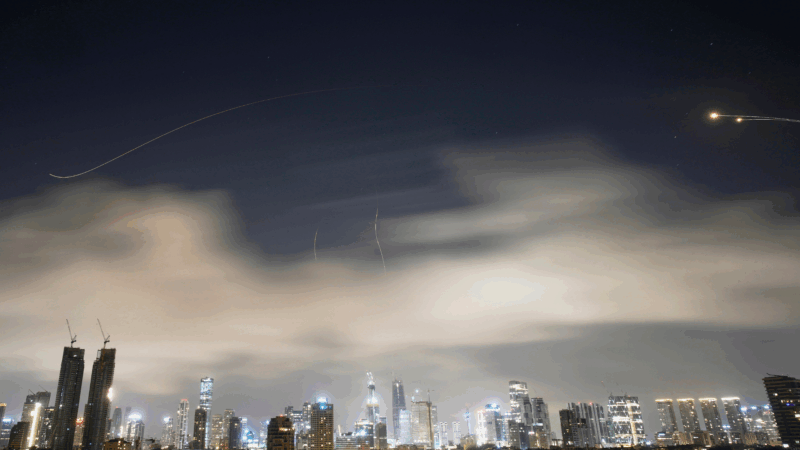
U.S. military names six killed in plane crash as Iran war enters third week
The conflict in the Middle East has entered a third week, with Israel announcing a barrage of new strikes on western Iran on Sunday, while the U.S. defense department released the names of six service members who died when their military refueling aircraft crashed.
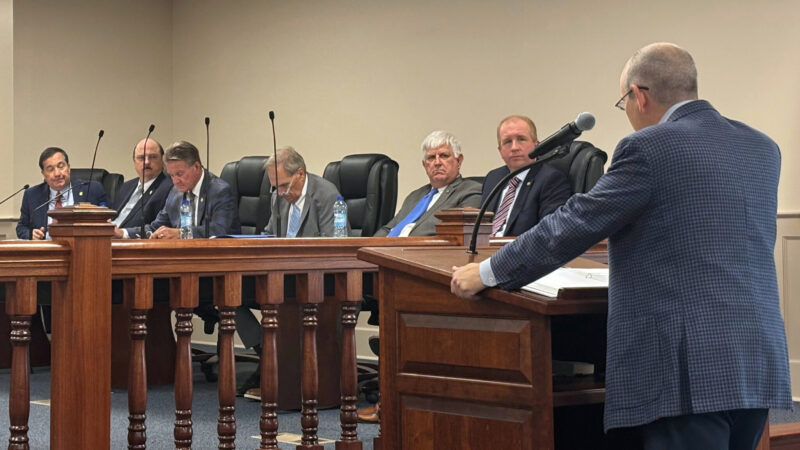
Alabama poised to drastically overhaul utility regulation. Will it lower electric bills?
The Alabama Senate unanimously voted to expand the public service commission, and create a Secretary of Energy to address rising electricity prices. A bill in the House would go even further, requiring rate case hearings and limiting utility profits.
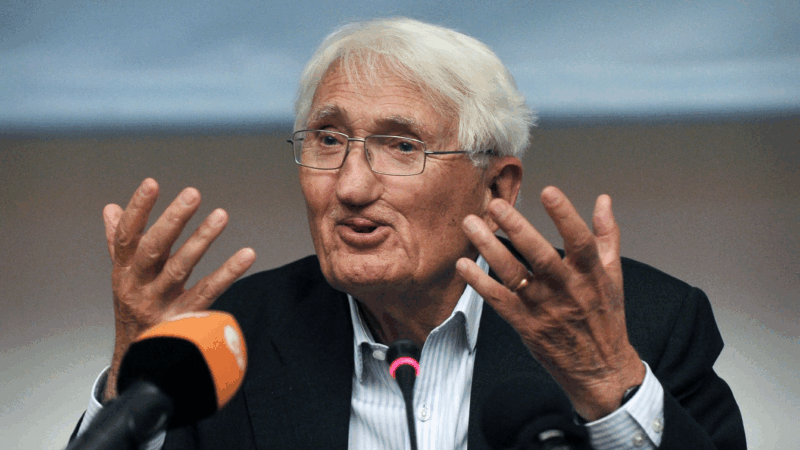
Acclaimed 20th century philosopher Jürgen Habermas dies at 96
Associated with the Frankfurt School, Habermas was a world-renowned thinker on modernity and democracy who helped shape German post-war and post-reunification political discourse.
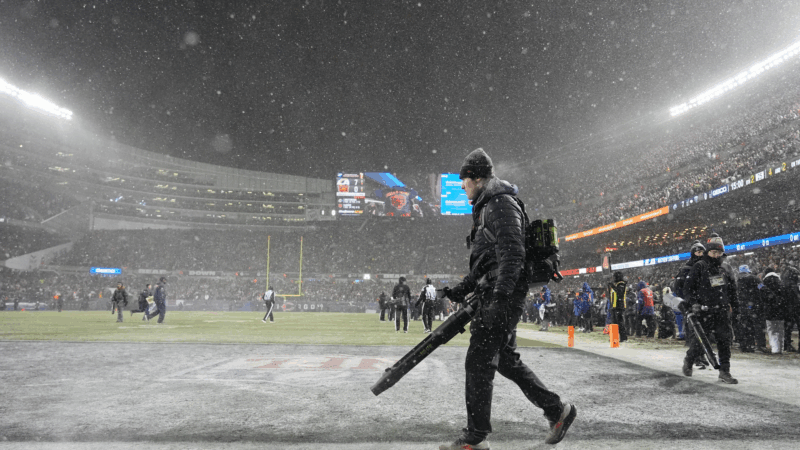
Why the Chicago Bears could be moving to Indiana
While Illinois is trying to keep the team in Chicago's suburbs, Indiana lawmakers are offering a plan to finance a new stadium
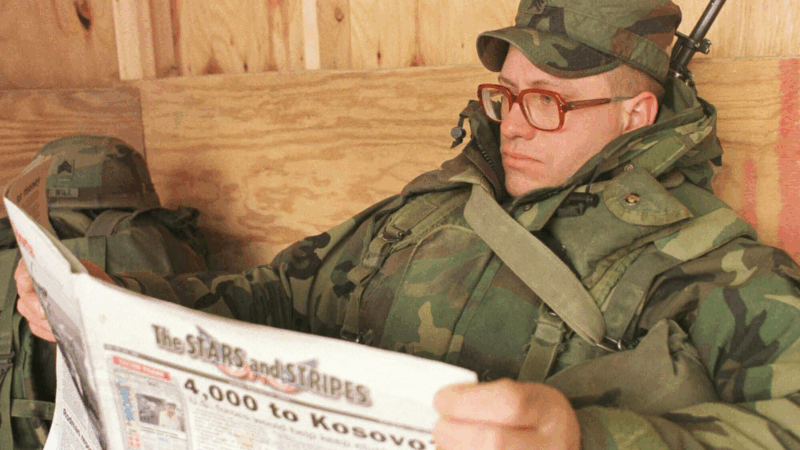
Pentagon tightens controls over Stars and Stripes after calling it “woke”
The new rules for the independent military newspaper are the Defense Department's latest effort to put extraordinary restrictions on journalists covering the agency.
