
Trump administration sued over visa freeze on immigrants from 75 countries
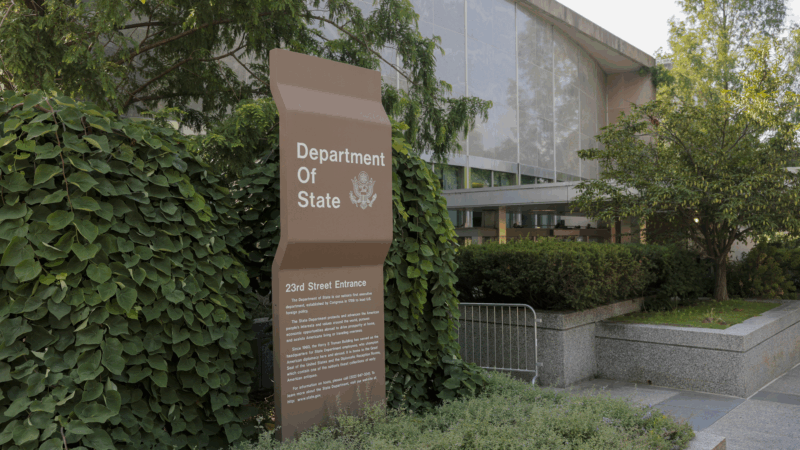
A group of civil rights organizations and U.S. citizens is suing the State Department over its sweeping suspension of immigrant visa processing for people from 75 countries, arguing the new policy attempted to “eviscerate decades of settled immigration law.”
The Trump administration’s visa ban, which went into effect on Jan. 21, affects countries including Afghanistan, Somalia, Brazil, Colombia, Thailand, Russia and Cambodia, and is intended to stem immigration from nations “whose migrants take welfare from the American people at unacceptable rates.” But the complaint, filed in Manhattan federal court filed Monday, says it imposes a nationality-based ban on legal immigration that strips families and working people of the process guaranteed by law.
It states: “The law has never deemed a person inadmissible merely because they have received, or may one day need, non-cash public benefits or private charitable assistance; indeed, such temporary support has always been understood as part of the lawful process of integration and economic growth.”
Loading…
The State Department did not immediately respond to NPR’s request for comment, but the vast majority of countries on the freeze list have populations that are majority non-white and are outside Europe. According to previous posts on social media, the department said the temporary ban will “remain active until the U.S. can ensure that new immigrants will not extract wealth from the American people.”
The lawsuit was brought by the National Immigration Law Center, Democracy Forward and The Legal Aid Society, among other groups, on behalf of a wide range of plaintiffs, including U.S. citizens who say they have been separated from family members because of the policy.
Vice President of Litigation at the National Immigration Law Center Efrén Olivares, told NPR that the State Department, under the direction of Secretary Marco Rubio failed to follow the regulatory process prior to enacting the blanket pause on immigrant visas. “It’s just inconceivable that every single person from an entire country would pose any sort of risk of becoming what the law calls a ‘public charge,'” he said.
Among the plaintiffs is a physician and endocrinologist from Colombia who completed postdoctoral training in molecular physiology at Brigham and Women’s Hospital at Harvard Medical School in 2000. He was approved for the so-called “Einstein Visa,” reserved for people of “extraordinary ability,” in January 2025. But last week he learned he was ineligible for an employment-based first preference immigration visa because Colombia falls under the ban.
A study, published last week by the Cato Institute, found that “immigrants consumed about 24 percent less in welfare benefits than native-born Americans on a per capita basis, which is unsurprising because even lower-skilled immigrants are positively selected and have limited legal access to welfare.”
Olivares added, “The only thing we’re asking here in this case is that the government follow the law and conduct individualized assessments of visa applicants and not discriminate based on nationality against nearly half of the countries in the world.”
Feds announce $4.1 billion loan for electric power expansion in Alabama
Federal energy officials said the loan will save customers money as the companies undertake a huge expansion driven by demand from computer data centers.
Mortgage rates fall below 6% for the first time in years
The average home loan rate has dropped below 6% for the first time since 2022. Will that help thaw the frozen housing market?

Baby Keem’s boulevard of broken dreams
Ca$ino, the rapper's second album for his cousin Kendrick Lamar's label, is whiplash embodied, a mirror for the extreme highs and lows of his Sin City hometown.

Pentagon shifts toward maintaining ties to Scouting
Months after NPR reported on the Pentagon's efforts to sever ties with Scouting America, efforts to maintain the partnership have new momentum
Why farmers in California are backing a giant solar farm
Many farmers have had to fallow land as a state law comes into effect limiting their access to water. There's now a push to develop some of that land… into solar farms.

Tariffs cost American shoppers. They’re unlikely to get that money back
After the Supreme Court declared the emergency tariffs illegal, the refund process will be messy and will go to businesses first.
