
Trump administration rolls back $2 billion mental health, addiction grant cuts
A Trump administration official has confirmed to NPR that sweeping cuts to mental health and addiction programs worth more than $2 billion are being reversed.
Letters terminating funding went out late Tuesday night, sending shockwaves through the country’s public health system. Letters will be sent soon restoring that funding.
After a political backlash from Republicans and Democrats, the Department of Health and Human Services has reversed course and the grant money will be restored.
This decision to terminate the funding caught care providers across the United States completely by surprise, triggering a powerful negative response from lawmakers in Washington and from organizations all over the country. The story was first reported by NPR.
Now an administration official with direct knowledge of the decision, who asked NPR not to be identified because they were not authorized to speak about the change, says the decision is being reversed and the grants are being restored.
More than 2,000 organizations and grant recipients are being notified as quickly as possible, according to the source.
Public health advocates said their organizations were breathing a sigh of relief but were also alarmed and shaken.
“It was a day of panic across the country. People are deeply alarmed but hopeful that this money is being restored,” said Hannah Wesolowski with the National Alliance on Mental Illness.
“This speaks to the bipartisan support in Congress for mental health. We heard from offices on both sides of the political aisle who were working on this issue throughout the day,” she added.
The termination letters that were sent out Tuesday said bluntly that a wide variety of mental health and addiction programs didn’t align with the Trump administration’s public health agenda and would no longer be funded. This took care providers by surprise.
The backlash triggered a series of high-level meetings inside the Trump administration, and by Wednesday evening the decision had been rescinded.
NPR hasn’t been able to determine who made the initial decision to cut these funds, nor would sources say who made the decision to restore the money.
Public health officials around the U.S. described the last 48 hours as chaotic.

Pentagon shifts toward maintaining ties to Scouting
Months after NPR reported on the Pentagon's efforts to sever ties with Scouting America, efforts to maintain the partnership have new momentum
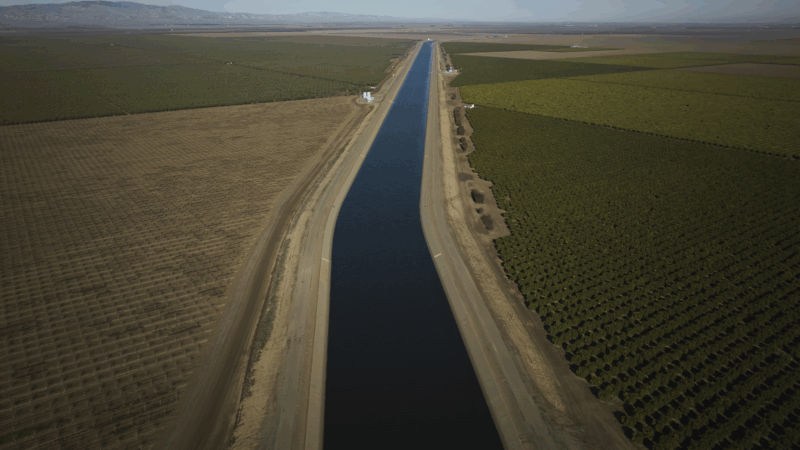
Why farmers in California are backing a giant solar farm
Many farmers have had to fallow land as a state law comes into effect limiting their access to water. There's now a push to develop some of that land… into solar farms.
‘Get back to integrity’: Oklahoma’s Kevin Stitt on Republicans after Trump
NPR's Steve Inskeep asks Oklahoma Gov. Kevin Stitt about his spat with President Trump, immigration and the future of the Republican Party.
Civil rights leaders say the racial progress Jesse Jackson fought for is under threat
Activists say racial progress won by the Rev. Jesse Jackson is under threat, as a new generation of leaders works to preserve hard-fought civil rights gains.

Tariffs cost American shoppers. They’re unlikely to get that money back
After the Supreme Court declared the emergency tariffs illegal, the refund process will be messy and will go to businesses first.
Every business wants your review. What’s with the feedback frenzy?
Customers want to read reviews and businesses need reviews to attract customers. But the constant demand for reviews could be creating a feedback backlash, experts say.
