
Trump administration finalizes plan to open pristine Alaska wildlife refuge to oil and gas drilling
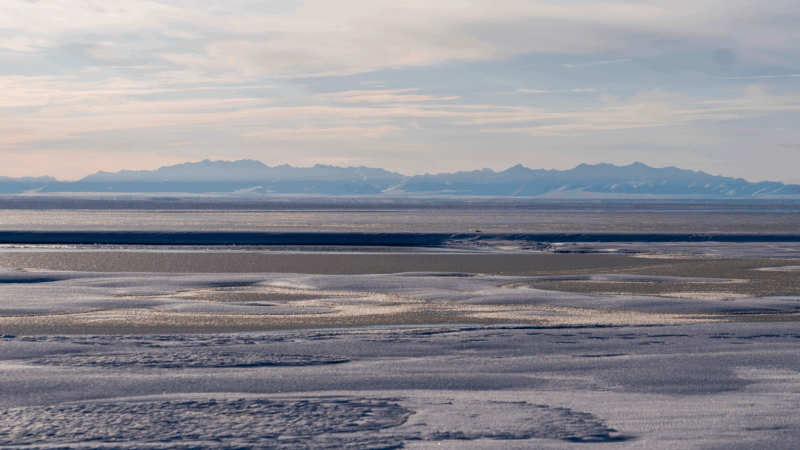
JUNEAU, Alaska — The Trump administration on Thursday finalized plans to open the coastal plain of Alaska’s Arctic National Wildlife Refuge to potential oil and gas drilling, renewing a long-simmering debate over whether to drill in one of the nation’s environmental jewels.
U.S. Interior Secretary Doug Burgum announced the decision Thursday that paves the way for future lease sales within the refuge’s 1.5 million-acre ( 631,309 hectare) coastal plain, an area that’s considered sacred by the Indigenous Gwich’in. The plan fulfills pledges made by President Donald Trump and congressional Republicans to reopen this portion of the refuge to possible development. Trump’s bill of tax breaks and spending cuts, passed during the summer, called for at least four lease sales within the refuge over a 10-year period.
Burgum was joined in Washington, D.C., by Alaska Republican Gov. Mike Dunleavy and the state’s congressional delegation for this and other lands-related announcements, including the department’s decision to restore oil and gas leases in the refuge that had been canceled by the prior administration.
A federal judge in March said the Biden administration lacked authority to cancel the leases, which were held by a state corporation that was the major bidder in the first-ever lease sale for the refuge held at the end of Trump’s first term.
Leaders in Indigenous Gwich’in communities near the refuge consider the coastal plain sacred, noting its importance to a caribou herd they rely upon, and they oppose drilling there. Leaders of Kaktovik, an Iñupiaq community within the refuge, support drilling and consider responsible oil development to be key to their region’s economic well-being.
“It is encouraging to see decisionmakers in Washington advancing policies that respect our voice and support Kaktovik’s long term success,” Kaktovik Iñupiat Corp. President Charles “CC” Lampe said in a statement.
A second lease sale in the refuge, held near the end of President Joe Biden’s term, yielded no bidders but critics of the sale argued it was too restrictive in scope.
Meda DeWitt, Alaska senior manager with The Wilderness Society, said that with Thursday’s announcement the administration “is placing corporate interests above the lives, cultures and spiritual responsibilities of the people whose survival depends on the Porcupine caribou herd, the freedom to live from this land and the health of the Arctic Refuge.”
The actions detailed Thursday are consistent with those laid out by Trump on his return to office in January, which also included calls to speed the building of a road to connect the communities of King Cove and Cold Bay.
Burgum on Thursday announced completion of a land exchange deal aimed at building the road that would run through Izembek National Wildlife Refuge. King Cove residents have long sought a land connection through the refuge to the all-weather airport at Cold Bay, seeing it as vital to accessing emergency medical care. Dunleavy and the congressional delegation have supported the effort, calling it a life and safety issue.
Conservationists vowed a legal challenge to the agreement, with some tribal leaders worried a road will drive away migratory birds they rely on. The refuge, near the tip of the Alaska Peninsula, contains internationally recognized habitat for migrating waterfowl. Past land exchange proposals have been met with controversy and litigation.
The Center for Biological Diversity, an environmental group, said the latest land agreement would exchange about 500 acres (202 hectares) of “ecologically irreplaceable wilderness lands” within the refuge for up to 1,739 acres (703.7 hectares) of King Cove Corp. lands outside the refuge. Tribal leaders in some communities further north, in Yup’ik communities in the Yukon-Kuskokwim Delta region, have expressed concerns that development of a road would harm the migratory birds important to their subsistence ways of life.
“Along with the Native villages of Hooper Bay and Paimiut, we absolutely plan to challenge this decision in court,” said Cooper Freeman, the center’s Alaska director.
U.S. Sen. Lisa Murkowski, a Republican, told reporters she has been fighting for the land access for King Cove throughout her tenure and has been to both the community and the refuge. She called the refuge a “literal bread basket” for many waterfowl and said it was in everyone’s interest to ensure that a road is built with minimal disturbance.
“I think it’s important to remember that nobody’s talking about a multi-lane paved road moving lots of big trucks back and forth,” she said. “It is still an 11-mile, one-lane, gravel, noncommercial-use road.”
Trump says he is ‘not happy’ with the Iran nuclear talks but indicates he’ll give them more time
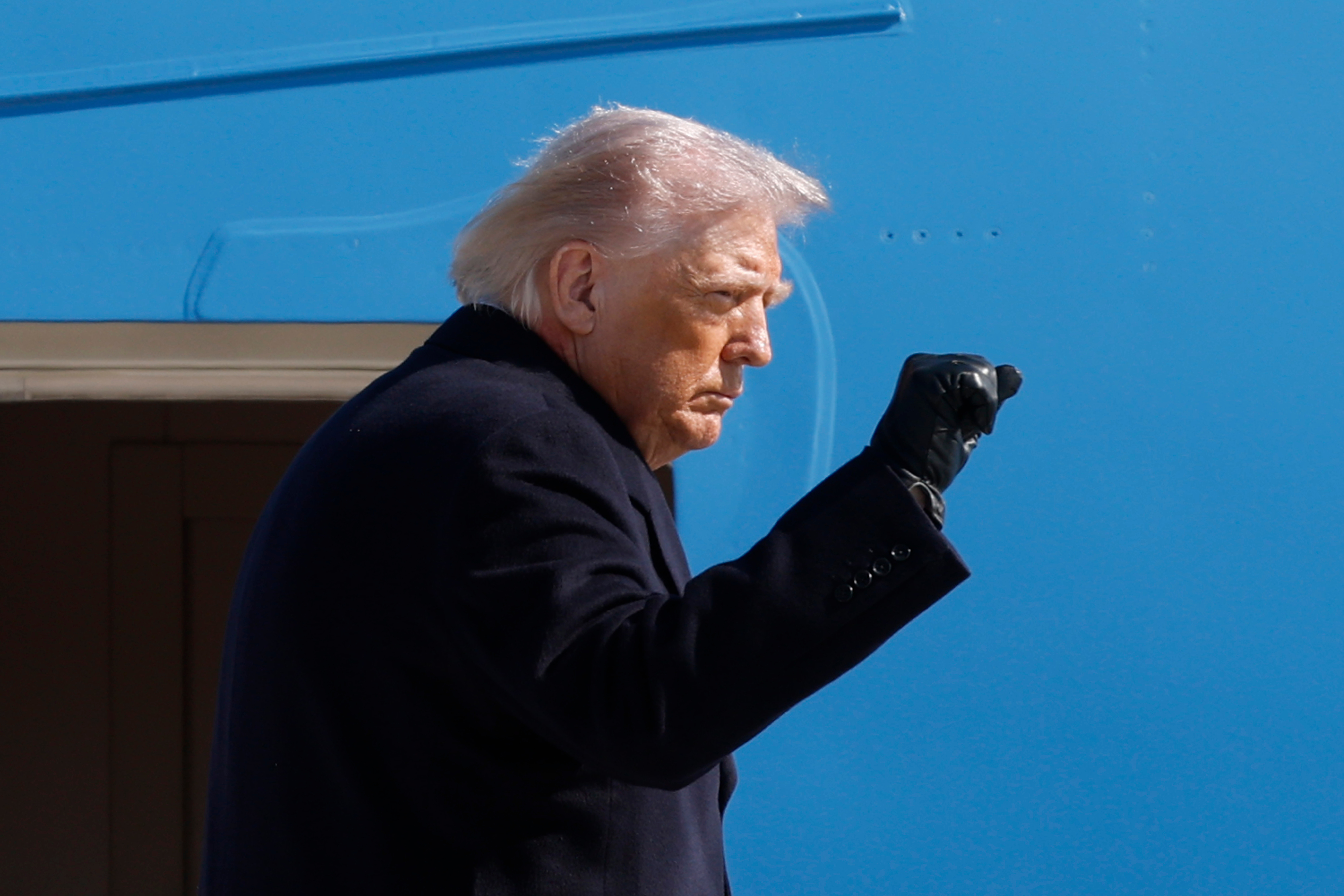
U.S. President Donald Trump said Friday he's "not happy" with the latest talks over Iran's nuclear program but indicated he would give negotiators more time to reach a deal to avert another war in the Middle East.
Bill Clinton says he ‘did nothing wrong’ with Epstein as he faced grilling over their relationship
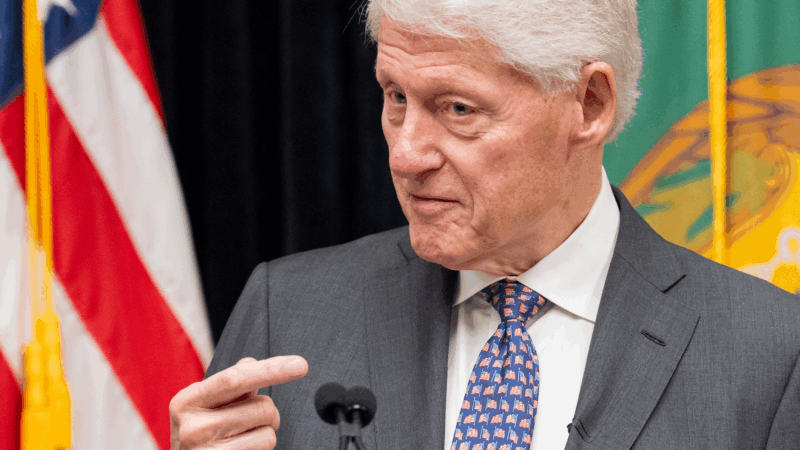
Former President Bill Clinton told members of Congress on Friday that he "did nothing wrong" in his relationship with Jeffrey Epstein and saw no signs of Epstein's sexual abuse as he faced hours of grilling from lawmakers over his connections to the disgraced financier from more than two decades ago.
Pentagon puts Scouts ‘on notice’ over DEI and girl-centered policies
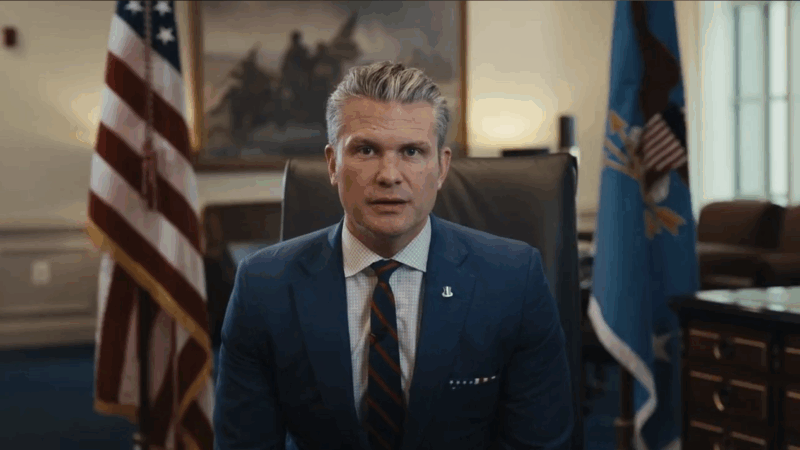
After threatening to sever ties with the organization formerly known as the Boy Scouts, Defense Secretary Hegseth announced a 6-month reprieve

President Trump bans Anthropic from use in government systems
Trump called the AI lab a "RADICAL LEFT, WOKE COMPANY" in a social media post. The Pentagon also ordered all military contractors to stop doing business with Anthropic.
HUD proposes time limits and work requirements for rental aid
The rule would allow housing agencies and landlords to impose such requirements "to encourage self-sufficiency." Critics say most who can work already do, but their wages are low.
Paramount and Warner Bros’ deal is about merging studios, and a whole lot more
The nearly $111 billion marriage would unite Paramount and Warner film studios, streamers and television properties — including CNN — under the control of the wealthy Ellison family.
