
Trump administration cancels plans to develop a bird flu vaccine
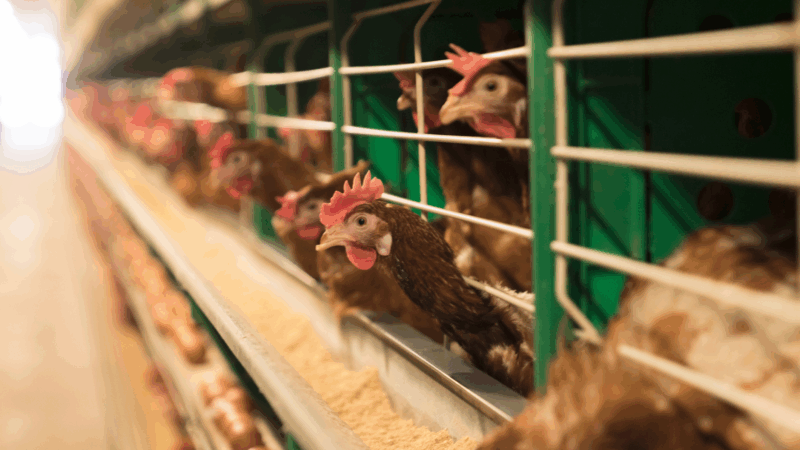
The federal government announced Wednesday that it is cancelling a contract to develop a vaccine to protect people against flu viruses that could cause pandemics, including the bird flu virus that’s been spreading among dairy cows in the U.S., citing concerns about the safety of the mRNA technology being used.
The Department of Health and Human Services said it is terminating a $766 million contract with the vaccine company Moderna to develop an mRNA vaccine to protect people against flu strains with pandemic potential, including the H5N1 bird flu virus that’s been raising fears.
“After a rigorous review, we concluded that continued investment in Moderna’s H5N1 mRNA vaccine was not scientifically or ethically justifiable,” HHS Communications Director Andrew Nixon said in a statement.
“This is not simply about efficacy — it’s about safety, integrity, and trust. The reality is that mRNA technology remains under-tested, and we are not going to spend taxpayer dollars repeating the mistakes of the last administration, which concealed legitimate safety concerns from the public,” Nixon said.
He added that “the move signals a shift in federal vaccine funding priorities toward platforms with better-established safety profiles and transparent data practices. HHS remains committed to advancing pandemic preparedness through technologies that are evidence-based, ethically grounded, and publicly accountable.” The official did not provide any additional details.
Jennifer Nuzzo, the director of Brown University’s Pandemic Center, said the decision was “disappointing, but unsurprising given the politically-motivated, evidence-free rhetoric that tries to paint mRNA vaccines as being dangerous.”
“While there are other means of making flu vaccines in a pandemic, they are slower and some rely on eggs, which may be in short supply,” Nuzzo added in an email. “What we learned clearly during the last influenza pandemic is there are only a few companies in the world that make flu vaccines, which means in a pandemic there won’t be enough to go around. If the U.S. wants to make sure it can get enough vaccines for every American who wants them during a pandemic, it should invest in multiple types of vaccines instead of putting all of our eggs in one basket.”
The cancellation comes even though Moderna says a study involving 300 healthy adults had produced “positive interim” results and the company “had previously expected to advance the program to late-stage development.”
“While the termination of funding from HHS adds uncertainty, we are pleased by the robust immune response and safety profile observed in this interim analysis of the Phase 1/2 study of our H5 avian flu vaccine and we will explore alternative paths forward for the program,” Stéphane Bancel, Moderna’s chief executive officer, said in a statement. “These clinical data in pandemic influenza underscore the critical role mRNA technology has played as a countermeasure to emerging health threats.”
The administration’s move drew sharp criticism from outside experts.
“This decision puts the lives and health of the American people at risk,” said Dr. Ashish Jha, the dean of the Brown School of Public Health, who served as President Biden’s COVID-19 response coordinator.
“Bird Flu is a well known threat and the virus has continued to evolve. If the virus develops the ability to spread from person to person, we could see a large number of people get sick and die from this infection,” Jha said. “The program to develop the next generation of vaccines was essential to protecting Americans. The attack by the Administration on the mRNA vaccine platform is absurd.”
Michael Osterholm, director of the Center for Infectious Disease Research and Policy at the University of Minnesota agreed.
“This decision will make our country far less prepared to respond to the next influenza pandemic,” he said in an email. “This is a dangerous course to follow.”
According to the Centers for Disease Control and Prevention, the H5N1 flu virus has spread to 41 dairy herds, and 24 poultry farms and culling operations, and caused 70 human cases. While the virus has had a high mortality rate in other countries, so far H5N1 has only caused one death in the U.S. and has not shown any signs of spreading easily from one person to another. But infectious disease experts are concerned that the more the virus spreads, the greater the chance it could mutate into a form that would spread from person to person, which would increase the risk of a pandemic.
British Columbia to make daylight saving time permanent
The Canadian province is permanently ending the biannual time shifts for more light at the day's end. But research shows daylight saving increases health risks.

Jan. 6 plaque honoring police officers is now displayed at the Capitol after a 3-year delay
Visitors to the Capitol in Washington now have a visible reminder of the siege there on Jan. 6, 2021, and the officers who fought and were injured that day.
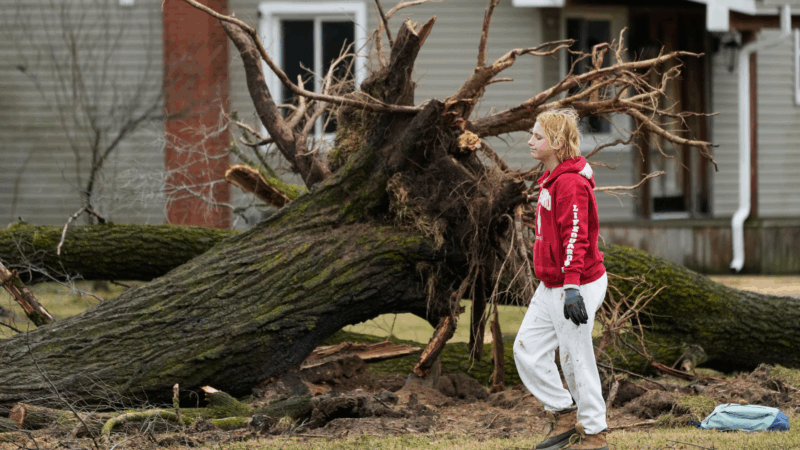
Authorities searching debris after suspected tornadoes kill 6 in Michigan, Oklahoma
A 12-year-old boy is reported to be among the dead following powerful storms that stretched across the middle of the country.

Opinion: The immorality of betting on war
Traders on prediction markets bet on nearly anything. One made more than half a million dollars betting on the U.S. strike against Iran. But should people wager on human suffering?
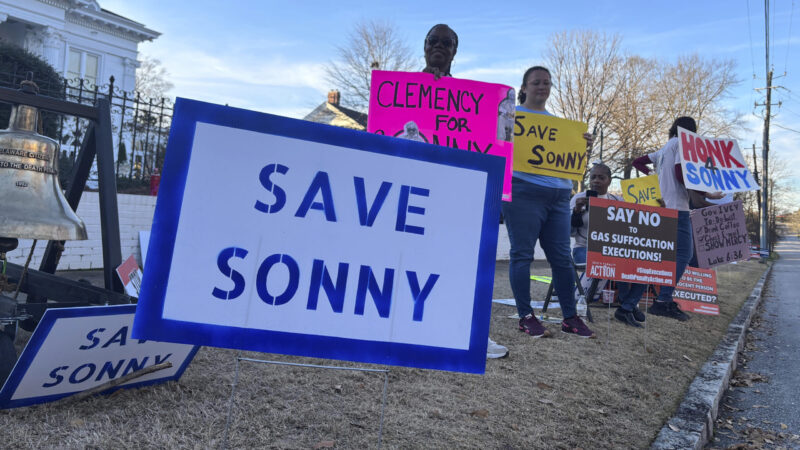
Alabama man facing execution for deadly robbery asks for clemency as he didn’t kill victim
Charles “Sonny” Burton is scheduled to be executed March 12 for his role in a 1991 robbery in which a man was fatally shot. His supporters and attorney are asking the governor for clemency, arguing that his life should be spared because Burton didn’t fire the gun or witness the killing.

Curling had its moment at the Olympics and now Paralympics. It sparked a curling bonanza in America
Hundreds of people become interested in curling every four years and the 2026 numbers already show that boom.
