
Trevi Fountain fee takes effect as Rome seeks to manage tourist crowds
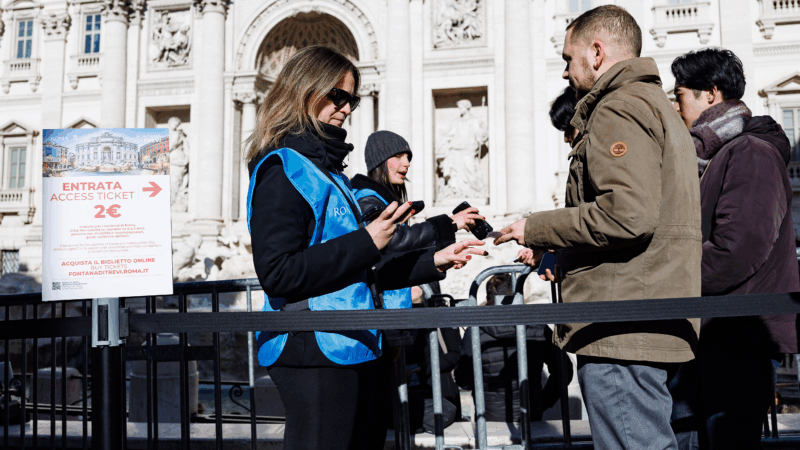
ROME — Tourists hoping to get close to the Trevi Fountain had to pay 2 euros ($2.35) starting Monday as the city of Rome inaugurated a new fee structure to help raise money and control crowds at one of the world’s most celebrated waterworks.
The first tourists to pass through the new ticket check seemed unfazed by the tariff, noting it was a small price to pay for quality access to a fountain made famous by Federico Fellini’s movie “La Dolce Vita.”
“Before, there were problems accessing the fountain. There were a lot of people. Now, it’s very easy,” said Ilhan Musbah, a tourist from Morocco. “You can take photos, you feel good, you’re comfortable, and on top of that 2 euros is not much.”
The tourist fee was rolled out in conjunction with a new 5-euro (nearly $6) tourist ticket fee for some city museums. In both cases, Rome residents are exempt from the fees and the extra revenue will actually expand the number of city-run museums that are free for registered Roman residents.
It’s all part of the Eternal City’s efforts to manage tourist flows in a particularly congested part of town, improve the experience and offset the maintenance costs of preserving all of Rome’s cultural heritage. Officials estimate it could net the city 6.5 million euros ($7.6 million) extra a year.
The city decided to impose the Trevi Fountain fee after seeing positive results already from a yearlong experiment to stagger and limit the number of visitors who can reach the front edge of the basin by imposing lines and pathways for entrance and exit.
“I think tourists were shocked by the fact that the city of Rome is only asking for 2 euros for a site of this level,” Alessandro Onorato, Rome’s assessor of tourism, said Monday. “I believe that if the Trevi Fountain were in New York, they would have charged at least $100.”
The fee follows a similar ticketing system at Rome’s Pantheon monument and the more complicated tourist day-tripper tax that the lagoon city of Venice imposed last year in a bid to ease overtourism and make the city more livable for residents. The Italian fees still pale in comparison to the 45% price hike that French authorities announced for the Louvre Museum for most non-European visitors, where tickets can now run to 32 euros ($37) from 22 euros ($26).
The Trevi fee, which can be paid in advance online, enables tourists to get close to the fountain during prime-time daylight hours. The view for those admiring the late Baroque masterpiece from the piazza above remains free, as it is up close after hours.
The towering fountain features the Titan god Oceanus flanked by falls cascading down the travertine rocks into a shallow turquoise pool, where Marcello Mastroianni and Anita Ekberg famously took their nighttime dip in “La Dolce Vita.”
While bathing is prohibited nowadays, legend has it that visitors who toss a coin over their shoulders and make a wish will return to Rome.
5 papers from the Super Bowl of Economics
Planet Money went to the annual meeting of the American Economics Association, and we saw some fascinating papers presented there.

I thought I’d heard my dad’s voice for the last time. A movie helped me find it again
A period drama, a Supreme Court case and voice our film critic hadn't heard in decades.

19 Winter Olympic storylines we’re watching (they’re not just about sports)
The Winter Olympics promise plenty of high adrenaline, fierce competition, historic firsts and emotional moments over 2 1/2 weeks. Here are some of the names and narratives to keep an eye on.

Can’t wait for Olympic curling? Trying its Southern cousin: skillet curling
It might seem inelegant to yeet an iron skillet across an ice rink. But this spinoff sport has its own techniques and lingo: You can throw a turtle at the bacon, for instance.
Privatizing Fannie Mae is risky. Would it be a win for taxpayers or Trump’s donors?
The idea has alarmed critics, who warn it could rattle financial markets and drive up mortgage rates, while potentially generating large profits for key Trump supporters.
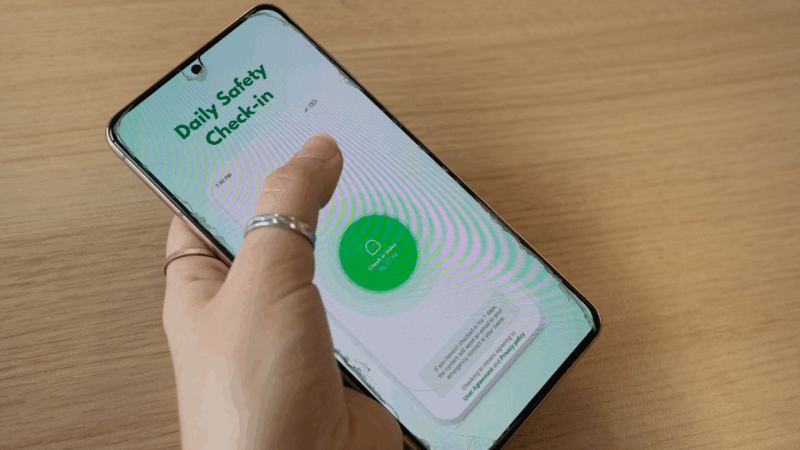
Here’s why people say they’re using ‘Are You Dead?’ and apps like it
Safety check-in apps — a way for loved ones to know that you're alive — have become more popular among adults who feel that modern life has made connection and community more difficult to maintain.
