
Traffic congestion hits a record high, spreading to more hours of the week
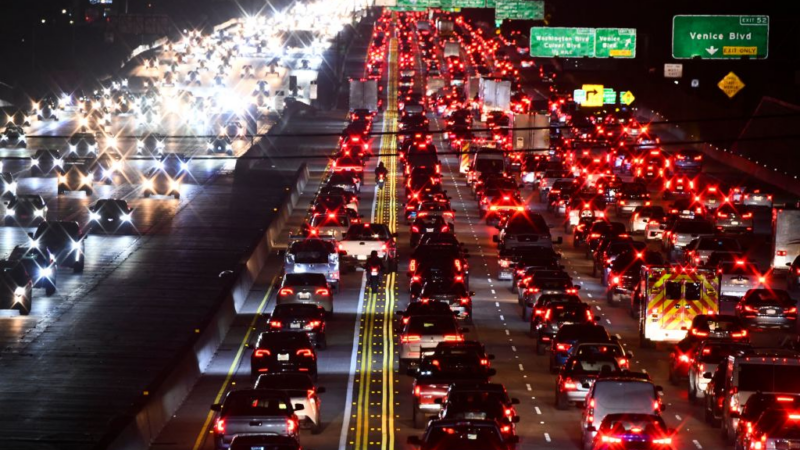
A few weeks ago, Taelyr Vecchione vented her growing frustration with traffic in San Diego.
“Do you remember when traffic started at, like, 5?” she said in this video posted on TikTok. Vecchione filmed herself sitting in her car, lamenting how things in her Southern California hometown have changed.
“Now,” she says, “there is always traffic. Always!”
In fact, there is data to back her up on this. San Diego has seen a significant jump in traffic delays, researchers say, as congestion across the U.S. climbed to record levels in 2024.
If it seems like traffic is getting worse where you live, that’s because it probably is. After dropping during the COVID-19 pandemic, researchers say, congestion has equaled — and, in many places, surpassed — pre-pandemic levels. And those delays are spreading to more times of day and more days of the week.
“We are back. But the delay kind of has a different feel to it than it did before,” said David Schrank, a senior research scientist at the Texas A&M Transportation Institute, which has tracked congestion since the 1980s in its annual Urban Mobility Report.
For decades, Schrank says, those patterns barely budged. Then came 2020, when congestion plunged during the pandemic lockdown. Now it’s back at record levels, he says, with the average American spending 63 hours per year stuck in traffic.
There are some other notable differences from past years too. The rush-hour peaks are still the worst times to drive, Schrank says, but there’s more congestion at other times of day as well.
“It’s spread out over more of the day, and thus it’s not just a commuter issue,” Schrank said in an NPR interview. “Everyone is experiencing more of that delay.”
Those aren’t the only changes researchers are seeing in the data. Schrank says there’s more delay on weekends. Traffic on Mondays tends to be noticeably lighter than on the other weekdays, he said, while Thursday has nearly caught up with Friday as the heaviest traffic day of the week.
“There’s more variability day to day than there was pre-pandemic. The day of the week matters, and the time of the day matters,” Schrank said.
Trucks are causing more congestion as well, according to the Texas A&M report. While some truck traffic shifted toward off-peak hours during 2020 and 2021, the most recent data shows that truck-related delays during rush hour are climbing back toward their pre-pandemic level.
Schrank and his colleagues ranked every metropolitan area in the U.S. by hours of traffic delay. San Diego saw the largest percentage jump in hours of delay per commuter since 2019, at more than 37%. Miami, Phoenix and the San Francisco Bay Area saw significant jumps too.
But no city caught up to Greater Los Angeles, where the average commuter lost 137 hours to delays last year, according to the Texas A&M report.

That came as no great surprise to Michael Manville, a professor of urban planning at the University of California, Los Angeles. He warns against reading too much into the individual city rankings but says the overall findings make sense.
“Congestion moves largely in sync with broader patterns in regional economies. And so if you have the economy doing well, congestion tends to be worse. If you have a recession, it tends to be a little bit better,” Manville said.
Researchers at Texas A&M also identified a few regions where congestion is down compared with before the pandemic — most notably, Washington, D.C. That could be linked to the persistence of remote work in the federal government in 2024. And it might also have something to do with regional efforts to fight congestion, including a tolling strategy known as dynamic pricing.
“If you’re going to contribute to the excessive congestion during the peak and the evening rush hours perhaps, you’re going to be paying more for the tolls,” said Robert Puentes, a vice president and transportation expert at the Brookings Institution.
Puentes lives in Northern Virginia, which has adopted an extensive system of tolls on major highways that charge different prices at different times. And he says that this seems to help reduce congestion.
“It’s something that really could be applicable in other metropolitan areas. We see places in Texas and California, in other places, that are using it. I think it has a real future in this country,” Puentes said.
Another ambitious effort to fight congestion is happening in New York City, where car drivers now pay as much as $9 to enter Lower Manhattan.
That congestion pricing plan has already cut traffic in the toll zone since its launch in January. But it’s still too early to say how much it’s changing commuting patterns across the region.
HUD proposes time limits and work requirements for rental aid
The rule would allow housing agencies and landlords to impose such requirements "to encourage self-sufficiency." Critics say most who can work already do, but their wages are low.
Paramount and Warner Bros’ deal is about merging studios, and a whole lot more
The nearly $111 billion marriage would unite Paramount and Warner film studios, streamers and television properties — including CNN — under the control of the wealthy Ellison family.

A new film follows Paul McCartney’s 2nd act after The Beatles’ breakup
While previous documentaries captured the frenzy of Beatlemania, Man on the Run focuses on McCartney in the years between the band's breakup and John Lennon's death.

An aspiring dancer. A wealthy benefactor. And ‘Dreams’ turned to nightmare
A new psychological drama from Mexican filmmaker Michel Franco centers on the torrid affair between a wealthy San Francisco philanthropist and an undocumented immigrant who aspires to be a dancer.
Bill making the Public Service Commission an appointed board is dead for the session
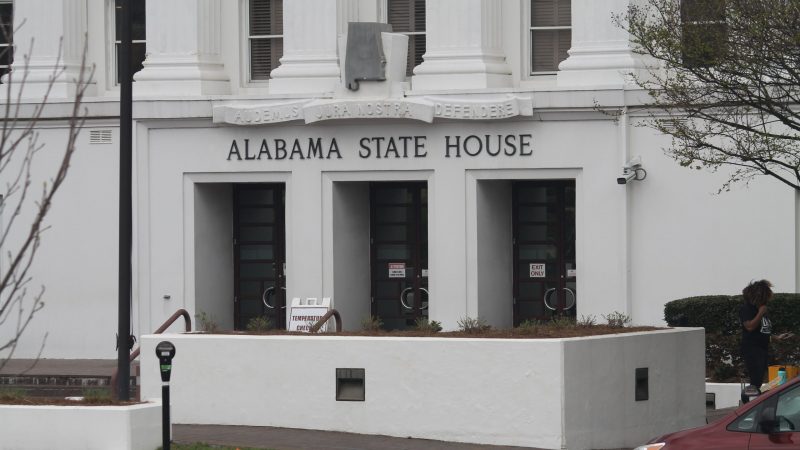
Usually when discussing legislative action, the focus is on what's moving forward. But plenty of bills in a legislature stall or even die. Leaders in the Alabama legislature say a bill involving the Public Service Commission is dead for the session. We get details on that from Todd Stacy, host of Capitol Journal on Alabama Public Television.
My doctor keeps focusing on my weight. What other health metrics matter more?
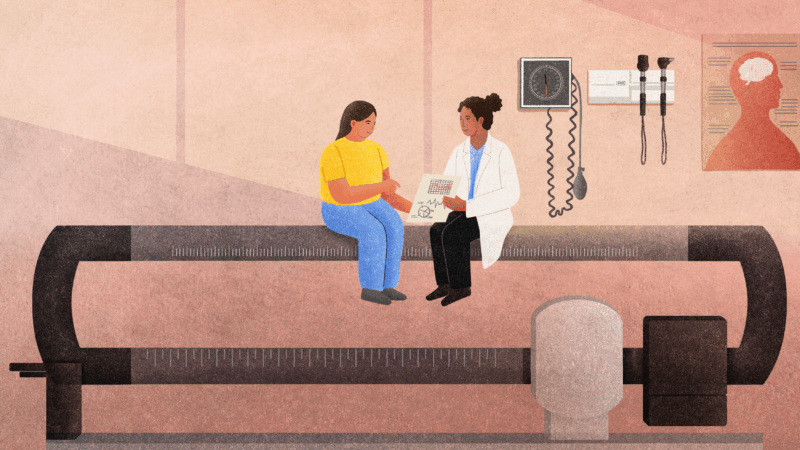
Our Real Talk with a Doc columnist explains how to push back if your doctor's obsessed with weight loss. And what other health metrics matter more instead.
