
TikTok investigating why some users can’t write “Epstein” in messages

Officials at TikTok say they are looking into why many users have been unable to send the word “Epstein” in direct messages, an issue that garnered widespread attention on social media Monday and prompted California Gov. Gavin Newsom to announce an inquiry into the matter.
“We don’t have rules against sharing the name ‘Epstein’ in direct messages and are investigating why some users are experiencing issues,” a spokesman for TikTok’s U.S. operation told NPR in a statement.
The timing isn’t lost on anyone.
It comes just days after TikTok finalized a sale that gave a consortium of mostly American investors control of TikTok’s business in the U.S, a deal that averted a nationwide ban of the app over national security concerns tied to its Chinese parent company.
Among the lead investors is tech firm Oracle, which is run by billionaire Larry Ellison. He’s a close ally of President Trump, whose connection to the late convicted sex offender Jeffrey Epstein has plagued the administration for months.
Many online pointed a finger at TikTok’s new ownership, rallying around the hashtag #TikTokCensorship on X. Those complaints encompassed videos about fatal shootings in Minneapolis and immigration raids that were not loading properly on the app. TikTok said none of its content moderation rules have changed.
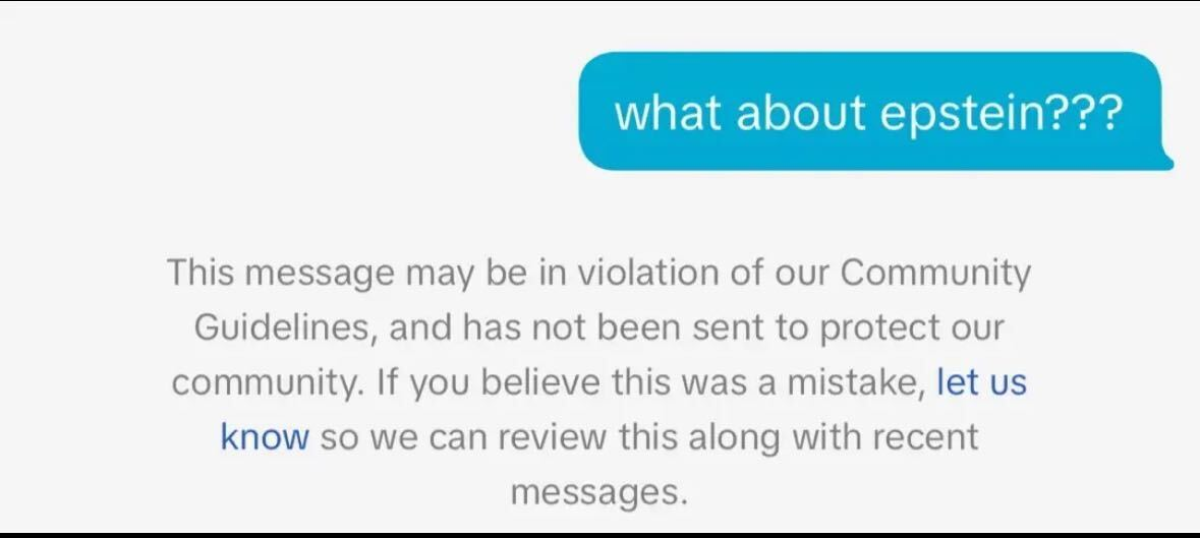
Still, when some users tried to send direct messages containing the word “Epstein,” an automatic prompt appeared declaring that the message may be in violation of TikTok’s community guidelines. The messages were not sent, according to the prompt, “to protect our community.”
Tests by NPR, and other accounts on social media, show that it was happening inconsistently; Some users were able to send messages with “Epstein,” and some were not. The TikTok spokesman said that is consistent with the company’s own analysis so far, yet the exact cause is still under review.
Since TikTok came under new ownership, the company has confirmed it is grappling with far-reaching technical issues.
Thousands of users reported the app not working properly Sunday and Monday. Some videos were receiving zero views, the main feed of videos was not updating and other basic functions appeared to be lagging or not working altogether.
TikTok blamed an outage at one of its data centers for the service disruptions, which it was still trying to get under control late Monday. The issues appear to have made the app wobbly for many of its 200 million U.S. users, according to DownDetector, a site that tracks outages based on crowdsourced reports.
While it’s not yet clear how TikTok’s new leadership may reshape content rules and the app’s algorithm, the platform’s privacy terms have been changed since the new bosses took over, including that the app will now collect precise location information.
While this alarmed some users, this type of intrusive data harvesting is common on social media apps. Snap, Instagram, X, for instance, all collect similar data on users’ whereabouts.

Crew of fatal US military crash included Alabama father recently deployed
The six U.S. service members who died in the crash of a U.S. military refueling aircraft included an Alabama father who had just been promoted and deployed. The U.S. government released the identities of the deceased service members Saturday.

Israeli soldiers fire on family car in occupied West Bank, killing 4
Israeli soldiers fired on a car carrying a family in the northern West Bank, killing four people including two children, the Palestinian Authority's Health Ministry said.

U.S. military names six killed in plane crash as Iran war enters third week
The conflict in the Middle East has entered a third week, with Israel announcing a barrage of new strikes on western Iran on Sunday, while the U.S. defense department released the names of six service members who died when their military refueling aircraft crashed.
Alabama poised to drastically overhaul utility regulation. Will it lower electric bills?
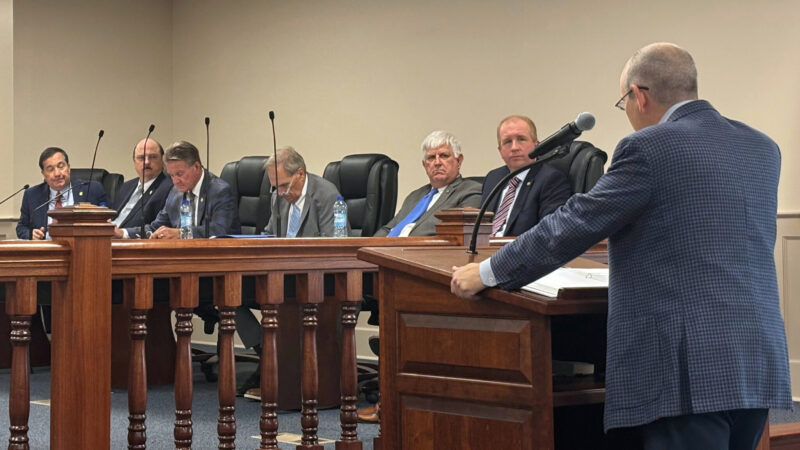
The Alabama Senate unanimously voted to expand the public service commission, and create a Secretary of Energy to address rising electricity prices. A bill in the House would go even further, requiring rate case hearings and limiting utility profits.

Sunday Puzzle: BAD!
Ayesha Rascoe plays the puzzle with KCUR listener Justin Marciniak and Weekend Edition Puzzlemaster Will Shortz.
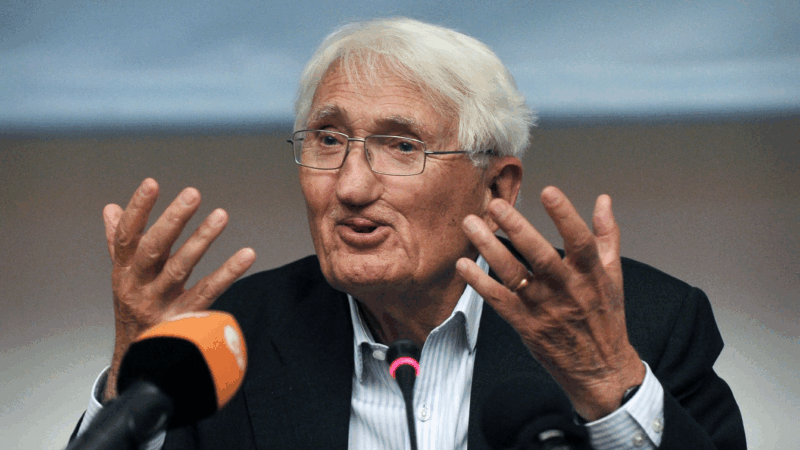
Acclaimed 20th century philosopher Jürgen Habermas dies at 96
Associated with the Frankfurt School, Habermas was a world-renowned thinker on modernity and democracy who helped shape German post-war and post-reunification political discourse.
