
Thousands protest as Zelenskyy signs bill weakening anti-corruption agencies

KYIV, Ukraine — Thousands of people gathered in Kyiv and other cities across Ukraine on Tuesday to urge the president to veto a controversial bill that threatens anti-corruption infrastructure. It marked the first major rally against the government in more than three years of war.
Ukraine ‘s parliament passed legislation that will tighten oversight of two key anti-corruption agencies, which critics say could significantly weaken their independence and give President Volodymyr Zelenskyy’s circle greater sway over investigations. Zelenskyy signed the bill into law, according to the parliament’s website late Tuesday.
Fighting entrenched corruption is crucial for Ukraine’s bid to join the European Union and maintain access to billions of dollars in Western aid. The legislation’s passage has triggered public outrage in Ukraine, with some saying it appeared to be a greater moral blow than the routine Russian drone and missile attacks.
The changes would grant the prosecutor general new authority over investigations and cases handled by the National Anti-Corruption Bureau of Ukraine (NABU) and the Specialized Anti-Corruption Prosecutor’s Office (SAPO).
“In effect, if this bill becomes law, the head of SAPO will become a nominal figure, while NABU will lose its independence and turn into a subdivision of the prosecutor general’s office,” the agencies said in a joint statement on Telegram.
In a post on X, the EU’s Enlargement Commissioner Marta Kos expressed concern over the vote in the parliament, called the Rada, calling it “a serious step back.”
Kos added: “Independent bodies like NABU & SAPO are essential for Ukraine’s EU path. Rule of Law remains in the very center of EU accession negotiations.”
While rallies have taken place during the war in Ukraine, they have largely focused on the return of prisoners of war or missing people. Protests, however, remain a traditional form of public pressure in Ukraine, where two previous revolutions were victorious for the public.
“Corruption is a problem in any country, and it must always be fought,” said Ihor Lachenkov, a blogger and activist who urged people to join the protest through his social media platforms, which reach more than 1.5 million followers.
“Ukraine has far fewer resources than Russia in this war,” he said. “If we misuse them, or worse, allow them to end up in the pockets of thieves, our chances of victory diminish. All our resources must go toward the fight.”
The Ukrainian branch of Transparency International criticized parliament’s decision, saying it undermines one of the most significant reforms since what Ukraine calls its Revolution of Dignity in 2014 and damages trust with international partners.
The group urged Zelenskyy to veto the law, warning that otherwise he would share responsibility with the Rada for “dismantling Ukraine’s anti-corruption infrastructure.”
Many protesters carried signs reading “Veto the law,” “Protect the anti-corruption system, protect Ukraine’s future,” or simply “We are against it.”
The mood of anger and frustration among the war-weary Ukrainians prevailed in the crowd. Some protesters accused Ukraine’s leadership of prioritizing loyalty and personal connections over the fight against corruption.
“Those who swore to protect the laws and the Constitution have instead chosen to shield their inner circle, even at the expense of Ukrainian democracy,” said veteran Oleh Symoroz, sitting in a wheelchair because both his legs were amputated after he was wounded in 2022.
“Instead of setting an example of zero tolerance for corruption, the president is using his power to take control of criminal cases involving his allies,” he said.
On Monday, Ukraine’s domestic security agency detained two NABU officials on suspicion of links to Russia and searched other agency employees on unrelated allegations.
Zelenskyy’s office didn’t respond to a request for comment. Last week, the president carried out a reshuffle of his wartime Cabinet, a move widely viewed as further consolidating power within his inner circle.
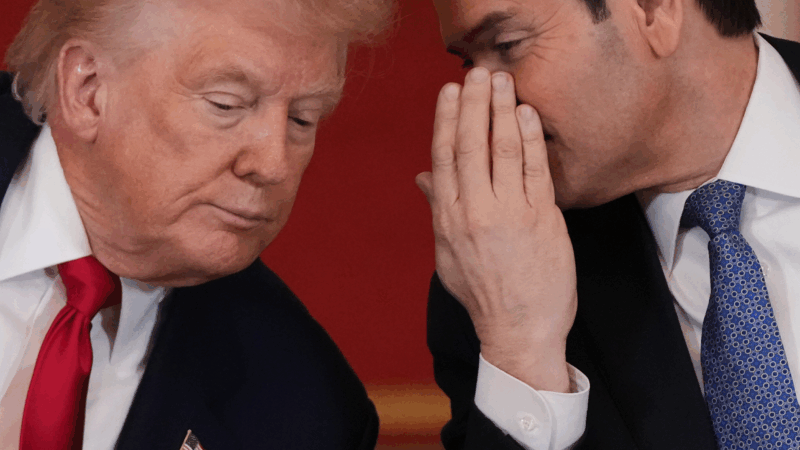
Trump looks to turn attention to Western Hemisphere at Americas summit
President Trump is set to gather with Latin American leaders on Saturday at his Miami-area golf club as his administration looks to turn attention to the Western Hemisphere, at least for a moment.
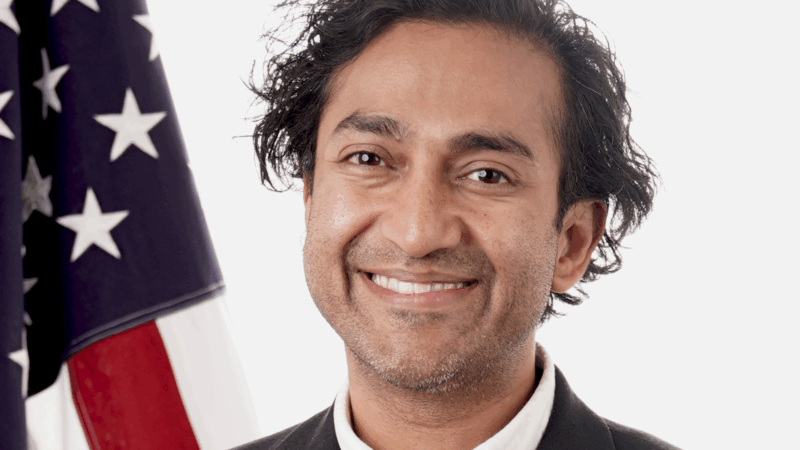
Trump administration’s embattled FDA vaccine chief is leaving for the second time
The FDA's controversial vaccine chief, Dr. Vinay Prasad, is leaving the agency. It's the second time he has abruptly departed following decisions involving the review of vaccinations and specialty drugs.

Family, former presidents and a Hall of Famer give Rev. Jesse Jackson a final sendoff
Several speakers at Jackson's funeral invoked his hallmark catchphrases: "Keep hope alive" and "I am somebody."
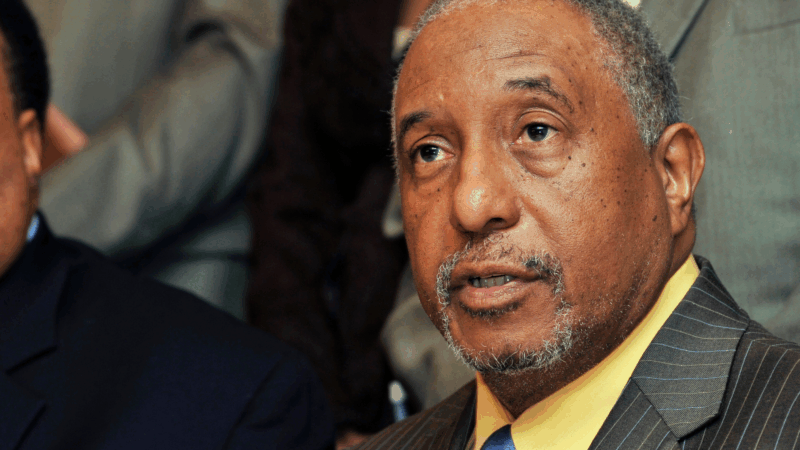
Bernard LaFayette, Selma voting rights organizer, dies at 85
Bernard LaFayette, who died Thursday, laid the foundations of the Selma, Alabama, campaign that culminated in the passage of the Voting Rights Act. He was a Freedom Rider and helped found the Student Nonviolent Coordinating Committee.

Oil surges to its highest price since 2023, and stocks drop after U.S. jobs report
Stocks fell Friday on worries that the economy could become stuck in a worst-case scenario of stagnating growth and high inflation. Oil prices touched their highest levels since 2023 after surging again because of the Iran war.

No lawsuits required: U.S. Customs is working on a system to refund tariffs
U.S. Customs told the trade court it aims for a streamlined process in 45 days to return importers' money without requiring individual lawsuits.
