
The world witnessed George Floyd’s murder. 5 years later, what has changed?
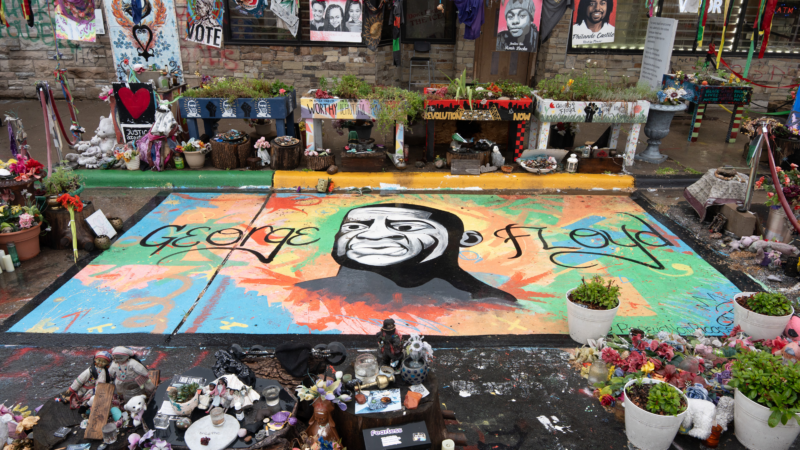
By now we all know what happened. A Black man named George Floyd was accused of using a counterfeit $20 bill to buy cigarettes at a convenience store in Minneapolis. Police were called, and a white officer named Derek Chauvin killed Floyd by kneeling on his neck for nine and a half minutes while he was handcuffed face down in the street. Two other officers helped restrain Floyd. A fourth kept onlookers from intervening. All were eventually fired and sent to prison.
Days of protests against police violence ensued. Many were peaceful, some were not. One estimate found it was the first “civil disorder event” to result in more than $1 billion in losses.

Five years later, many of us are still trying to wrap our heads around why it happened, and just as importantly, what those tragic and frightening words and days mean to us now.
That’s why a group of us from Morning Edition spent the week in the Twin Cities, driving and walking around, listening and talking, asking people for their thoughts about what they think the events of May 2020 meant. We spoke with people from different backgrounds: ministers, activists, educators, a business owner who is still trying to make a living on the street where Floyd was killed and having a tough go of it.

We talked with officials like Mayor Jacob Frey and Minnesota Attorney General Keith Ellison. We spoke with the former police chief, Medaria Arradondo, known as Chief Rondo, who made the decision to pull his officers back from the Third Police Precinct and request the governor send in the National Guard as the protests became more violent. It’s a decision that remains controversial: critics say he let the protests get out of hand; he says property was lost but lives were saved.
We talked with attorney Benjamin Crump, a veteran of many police misconduct cases dating back years, who negotiated a large settlement for Floyd’s family in a civil action, and lawyer Antonio Romanucci, who represented one of the bystanders who begged the police to get off Floyd’s neck.

One thing that became clear to me – something that had not occurred to me before our visit – is that because of the cell phone video that a young teenager took, we are all witnesses, at least if we chose to look.
And that means all of us who chose to look have decisions to make about how we think about what happened here.
After Floyd’s death, there were lots of big gestures. Companies made donations. Governments made commitments. Some police departments reformed policies. Some states passed new laws. Lawsuits were filed. Settlements reached. But could this still happen again? It’s a question that doesn’t belong to just one city or town. It belongs, in one way or another, to all of us.

British Columbia to make daylight saving time permanent
The Canadian province is permanently ending the biannual time shifts for more light at the day's end. But research shows daylight saving increases health risks.
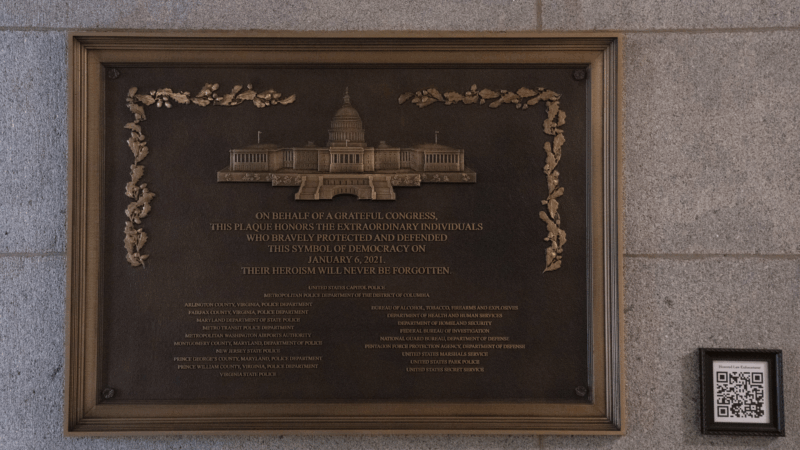
Jan. 6 plaque honoring police officers is now displayed at the Capitol after a 3-year delay
Visitors to the Capitol in Washington now have a visible reminder of the siege there on Jan. 6, 2021, and the officers who fought and were injured that day.
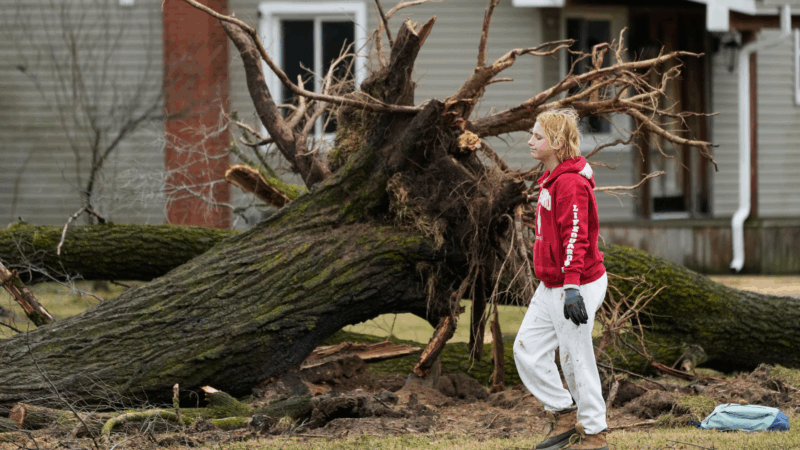
Authorities searching debris after suspected tornadoes kill 6 in Michigan, Oklahoma
A 12-year-old boy is reported to be among the dead following powerful storms that stretched across the middle of the country.
Opinion: The immorality of betting on war
Traders on prediction markets bet on nearly anything. One made more than half a million dollars betting on the U.S. strike against Iran. But should people wager on human suffering?
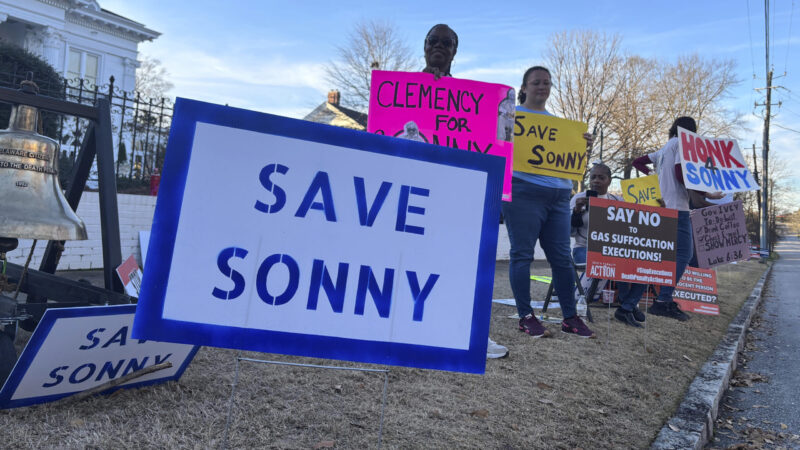
Alabama man facing execution for deadly robbery asks for clemency as he didn’t kill victim
Charles “Sonny” Burton is scheduled to be executed March 12 for his role in a 1991 robbery in which a man was fatally shot. His supporters and attorney are asking the governor for clemency, arguing that his life should be spared because Burton didn’t fire the gun or witness the killing.
One week into the Iran war, the fallout is global
The war is no longer just about the U.S., Israel and Iran. More countries are getting caught in the political crossfire or being drawn into the fighting themselves.
