
The White House sets a swath of new tariff rates — and a new date — for dozens of countries
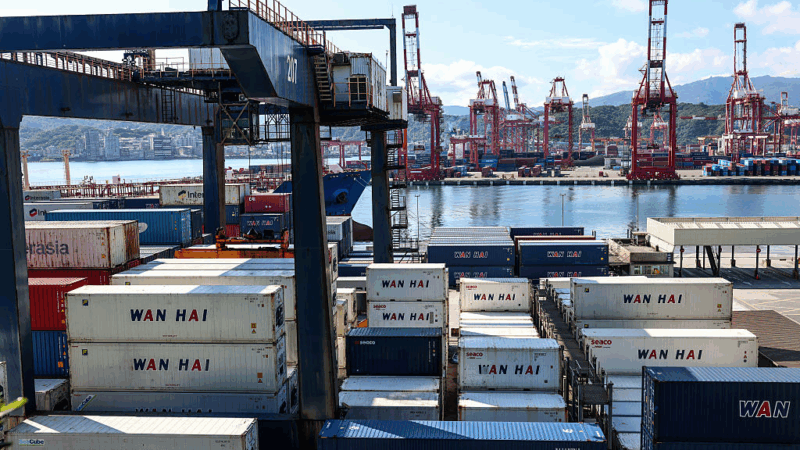
President Trump has issued updated tariff rates, listing more than 65 countries plus the European Union.
Some of the rates reflect what was shared in earlier “letters” posted by the president earlier this month. Others reflect recent trade deals that the administration has announced.
While the administration has for weeks said Aug. 1 would be the new date to implement tariffs, most countries won’t see these rates take effect for at least a week, according to the executive order posted Thursday evening. Trump has repeatedly shifted trade deadlines and is continuing negotiations with various countries.
Countries not listed in the order will face an additional rate of 10% in seven days.
Other exceptions include:
- Canada: The White House says in a separate executive order amended on Thursday that goods from Canada that are not covered by the USMCA agreement will be subject to 35% tariffs beginning Friday. The administration says Canada is not doing enough to combat illicit drug trafficking and blames it for retaliating against U.S. actions to address the issue.
- China: Trump has spoken positively about negotiations with China in recent days. The order issued Thursday said China will be subject to a prior order for the time being.
- Mexico: The White House said earlier Thursday that a new tariff rate on goods from Mexico is on pause while negotiations continue.
The White House says there will be an additional 40% tariff imposed for transshipment — countries sending their goods to the U.S. through other countries in an attempt to evade tariffs
Despite Trump’s framing of tariffs as an amount that other countries pay, importers in the U.S. pay the tariffs directly to the American government. Foreign businesses can absorb some of those costs, but U.S. businesses and consumers have historically seen higher prices as a result of tariffs.
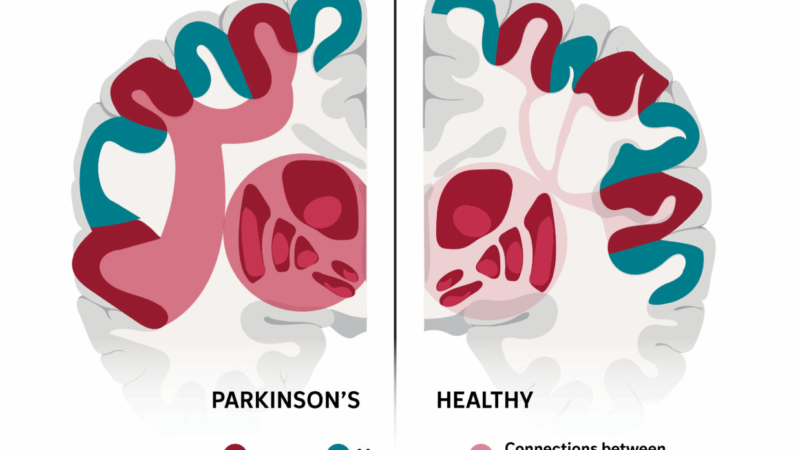
This complex brain network may explain many of Parkinson’s stranger symptoms
Parkinson's disease appears to disrupt a brain network involved in everything from movement to memory.

Hospitals are posting prices for patients. It’s mostly industry using the data
The Trump administration pushed for price transparency in health care. But instead of patients shopping for services, it's mostly health systems and insurers using the information for negotiations.
Immigration officials to testify before House as DHS funding deadline approaches
Congressional Democrats have a list of demands to reform Immigration and Customs Enforcement. But tensions between the two parties are high and the timeline is short – the stopgap bill funding DHS runs out Friday.

How the use of AI and ‘deepfakes’ play a role in the search for Nancy Guthrie
As artificial intelligence becomes more advanced and commonplace, it can be difficult to know what's real and what's not, which has complicated the search for Nancy Guthrie, according to law enforcement. But just how difficult is it?

‘E-bike for your feet’: How bionic sneakers could change human mobility
Nike's battery-powered footwear system, which propels wearers forward, is part of a broader push to help humans move farther and faster.

Mikaela Shiffrin set to ski for the first time in the Olympics in team combined event
The team combined event pairs a downhill skier with a slalom skier. The top U.S. duo — the slalom star Shiffrin and Breezy Johnson, who won gold in the downhill on Sunday — is a medal favorite.
