
The U.S. and Canada set to square off in Olympic women’s ice hockey gold medal match
MILAN — The Olympic gold medal match between the U.S. and Canadian women’s ice hockey teams is set for Thursday at Santagiulia Arena in Milan.
For decades, Canada has been the top dog of Olympic women’s ice hockey. Since the sport was added to the Winter Games in 1998, Canada has reached the gold medal match all seven times, winning five.
The Americans won the first gold medal back in 1998, but it took 20 years to win a second — on a shootout, no less.
But things have changed dramatically over the past year. Since February 2025, the two teams have faced each other nine times — including last week in an Olympic group stage match — and the U.S. has won all but one (and the last six straight).
At the Olympic preliminary match just nine days ago, the U.S. won 5-0, although Canada was playing without its captain and best player, Marie Philip Poulin, who has since returned from injury and will play Thursday.
Coming into the 2026 Games, Canada placed its Olympic bet on experienced players. The U.S. instead bet on youth development. The average age of the U.S. Olympic roster is under 27 years old, while Canada’s roster, on average, is about 30. Seven American players are still in college; Canada has zero.
Now, the Americans’ wager is paying off. Four of the team’s five leading scorers in Milan — defender Caroline Harvey and Laila Edwards, plus forwards Hannah Bilka and Abbey Murphy — are all 22, 23 or 24 years old.
“Those players act like they’ve been there because they have,” said teammate Taylor Heise after Monday’s semifinal. “It’s so important that they’ve gotten that time and we’ve given them those opportunities, because they’re so confident when they get out there.”
Thursday’s final is the last Olympic game for Team USA captain Hilary Knight, the most accomplished hockey player in U.S. Olympic history. She has competed in five Olympic Games, and by the end of the night will have won five medals.
Her stamp on the sport of women’s hockey goes beyond her Olympic record. She was key in the founding of the Professional Women’s Hockey League, the most stable and financially successful such league to date, with eight teams now and expansion plans in the works.
In total, her legacy is not only one of her own past success, but a sustained future of success for the U.S. women’s national team, as more players have the genuine capability to pursue hockey professionally and continue development into their 20s and 30s.
“Simply put, we are not here without her,” said Heise. “Obviously it’s sad to say that this might be her last one. We’re going to hopefully do it for her as well.”
As the risk of measles grows, why are parents so divided on vaccines?
In South Carolina, some parents embrace vaccines, others opt out. Why do people make such different choices? A mix of politics, distrust and misinformation is pushing neighbors apart.

Brazil’s ex-President Bolsonaro is in intensive care with pneumonia, hospital says
One of Bolsonaro's doctor's described the former Brazilian president's medical condition as "serious."

Opinion: An ancient, sophisticated palate
Researchers looking at foodcrusts on the pottery shards of ancient humans say there's evidence of a wide variety of ingredients, indicating that they may have been experimenting with "recipes."
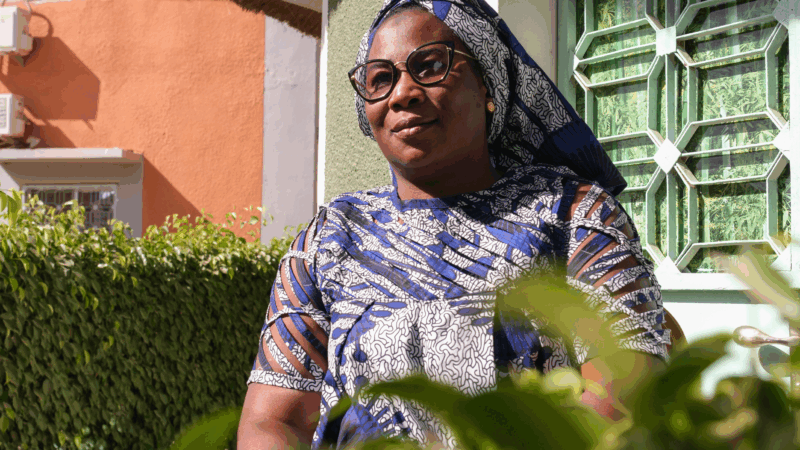
Why women have an especially tough time in Senegal’s prisons
Women charged with a crime in Senegal are at the mercy of a slow judicial process and prisons that may lack basic supplies. They also face stigma that robs them of familial and community support.

Musher from Alabama is going for back-to-back Iditarod wins
Riches and paid appearances haven’t followed Jessie Holmes since he won the world’s most famous sled dog race, the Iditarod, last year. He doesn't mind.

With boom in prediction markets, some lawmakers worry about how to police themselves
House and Senate ethics committees give no financial disclosure guidance on event contracts or prediction markets — unlike stock, cryptocurrency and bond trades.
