
The transformative power of keeping a daily journal
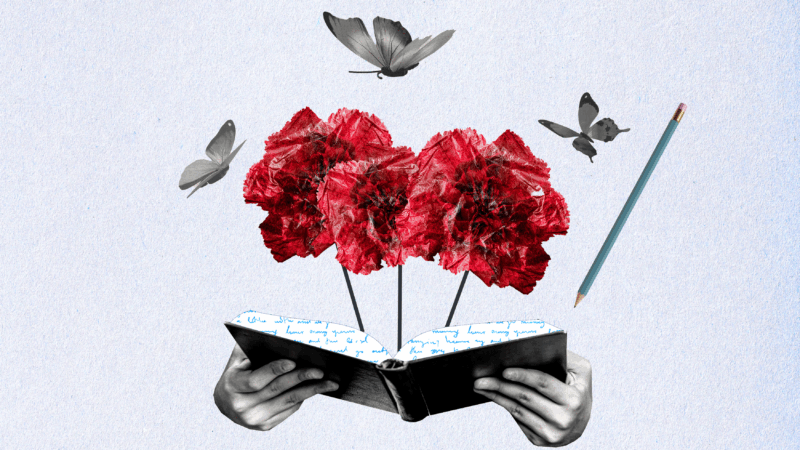
Writer Suleika Jaouad has been keeping a journal for as long as she could hold a pen. It got her through her battle with leukemia at age 22, life after treatment and then the pandemic.
But at a certain point, “I was starting to get bored of the sound of my own voice and grievances,” she says.
So she began reading the diaries and journals of her favorite writers for inspiration: Isabelle Eberhardt, Audre Lorde, Sylvia Plath and Susan Sontag.
Jaouad would pick a passage at random to read before journaling and found it had a “kaleidoscopic effect” on her writing, she says. It allowed the “light to fall differently,” changing her perspective and creating new ways of thinking.
She expands on this approach to journaling in her latest book, The Book of Alchemy: A Creative Practice for an Inspired Life, published this spring. It’s a collection of essays and writing prompts from 100 writers and artists, including poet and essayist Hanif Abdurraqib, writer and director Lena Dunham and illustrator Oliver Jeffers.

She hopes the book “ignites a little spark if you’re feeling like you don’t know what to say or you’ve been saying something the same way,” she says.
Jaouad, 37, who runs The Isolation Journals, an online journaling community that she started during the COVID-19 pandemic, talked to NPR about the transformative power of writing, favorite prompts and how to build a journaling practice. This interview has been edited for length and clarity.
You talk about journaling as a form of alchemy. What does that mean?
It was the closest I have felt to finding a direct line to my subconscious and arriving at a place of alchemy. By the end of writing my way through a journal, I felt some small shift had been enacted. Even if I had nothing of interest or import to say that day, some kind of transmutation had taken place.
So “alchemy” feels apt when it comes to keeping a journal. In taking a moment each day to write your thoughts, show up and write your way back to yourself, you take the grist of everyday life and transform it.
Do you think there’s value in journaling during the difficult moments of our lives?
The journal is the space where I go to make sense of what has happened to me. [It gives me] the opportunity to reflect and figure out how I’m going to choose my response.
In those moments in my life when I felt most laid bare, the journal has been a hiding place and a fighting place.
Can you share some favorite journal prompts from your book?
One of my favorite prompts is called “Just Ten Images” by [memoir writer and photographer] Ash Parsons Story.
When her adopted son was [born prematurely and] in the neonatal intensive care unit, she was exhausted and did not have time to do much of anything, much less journal. So she decided to record 10 images from the last 24 hours, and she did this every day in list form.
I love the prompt because it’s straightforward and always yields something unexpected. It has just enough structure that you don’t have to think too hard.
Another prompt I write to a lot is called “A Day in the Life of My Dreams” by Hollye Jacobs, a pediatric hospice nurse. Write a day, from the moment you wake up until you go to sleep, in the life of your dreams a couple of years out. But do so in present tense.
I like this prompt because it forces me not just to imagine myself in the future but to articulate what I want for myself in that future.
What advice do you have for someone who is just starting out with journaling and isn’t sure where to start?
Set a specific duration of time you plan to do it daily. It could be five days, a week or 30 days. Only by doing it consistently do you start to write through the fog and get somewhere unexpected and interesting.
Fold it into some nonnegotiable part of your routine. For me, my nonnegotiable is my first cup of coffee in the morning. I sit down at my kitchen table each morning and write in my journal with that first cup. It always happens because the coffee always happens.
Keep the barrier to entry low. I was hosting a journaling club, and I asked this man, “Why not journal in the Notes app on your phone?”
He said, “Well, that just seems like the wrong way to journal. I feel like it has to be in a notebook with a pen.”
We have all of these expectations we bring that hinder our enjoyment of it. Remember, there is no right or wrong way to keep a journal.
The digital story was edited by Meghan Keane. The visual editor is Beck Harlan. We’d love to hear from you. Leave us a voicemail at 202-216-9823, or email us at [email protected].
Listen to Life Kit on Apple Podcasts and Spotify, and sign up for our newsletter.
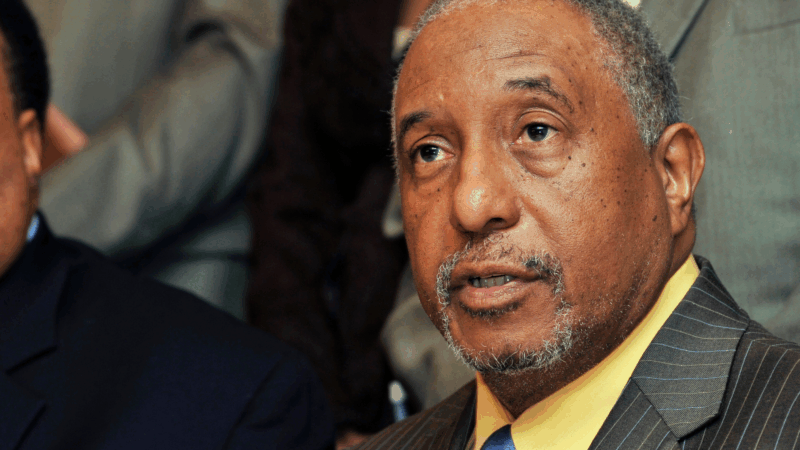
Bernard LaFayette, Selma voting rights organizer, dies at 85
Bernard LaFayette, who died Thursday, laid the foundations of the Selma, Alabama, campaign that culminated in the passage of the Voting Rights Act. He was a Freedom Rider and helped found the Student Nonviolent Coordinating Committee.
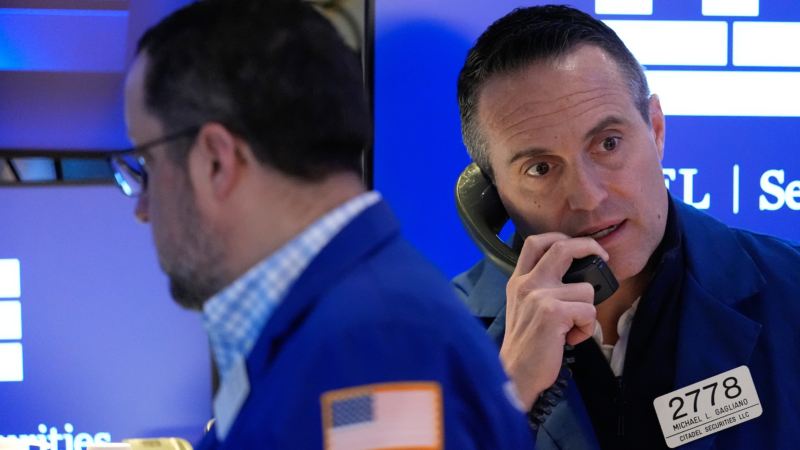
Oil surges to its highest price since 2023, and stocks drop after U.S. jobs report
Stocks fell Friday on worries that the economy could become stuck in a worst-case scenario of stagnating growth and high inflation. Oil prices touched their highest levels since 2023 after surging again because of the Iran war.
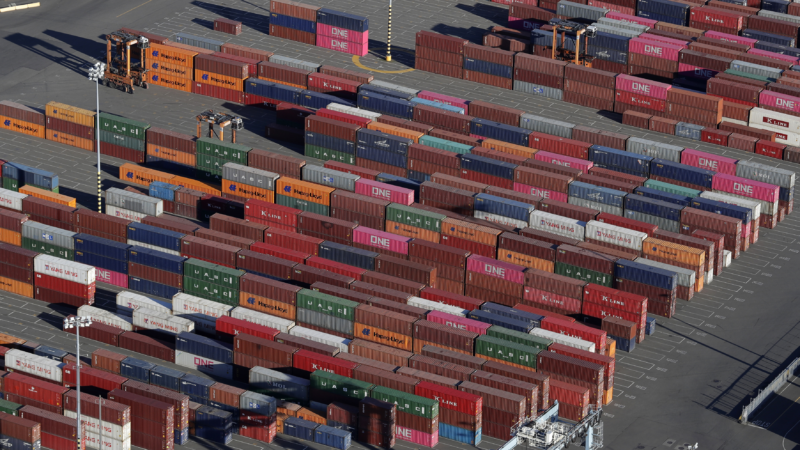
No lawsuits required: U.S. Customs is working on a system to refund tariffs
U.S. Customs told the trade court it aims for a streamlined process in 45 days to return importers' money without requiring individual lawsuits.
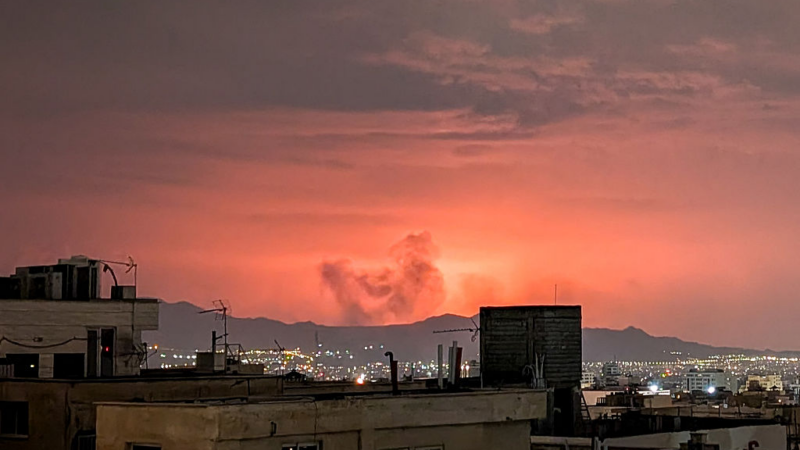
Poll: A majority of Americans opposes U.S. military action in Iran
Most Americans disapprove of President Trump's handling of Iran, and a majority sees Iran as either only a minor threat or no threat at all, an NPR/PBS News/Marist poll finds.
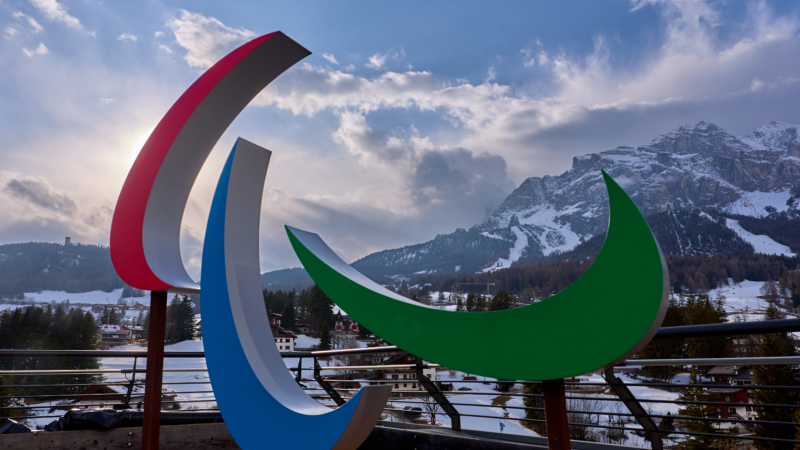
Your Winter Paralympics primer: What, who and how to watch
Hundreds of para athletes are competing in Italy through March 15. Many Americans are defending past titles, with the U.S. sled hockey team hoping to fend off rival Canada for its fifth straight gold.
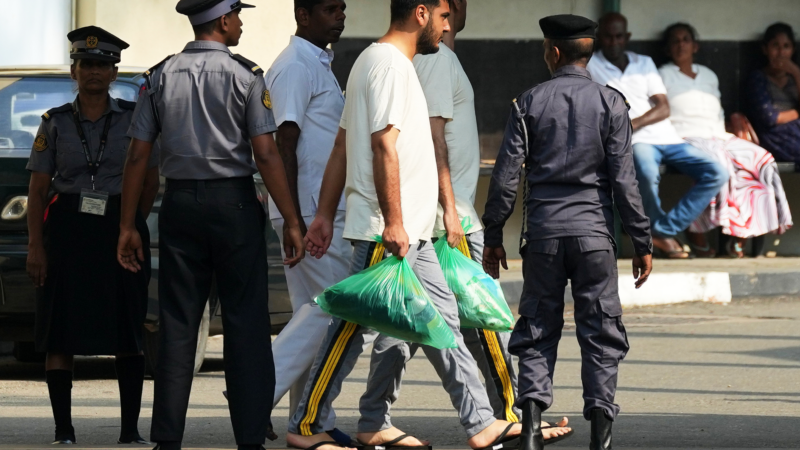
After the U.S. sinks an Iranian warship, Sri Lanka takes custody of an Iranian vessel
The move followed Wednesday's sinking of another Iranian warship by a U.S. submarine. Australia confirmed three Australians were on that submarine.
