
The suspect in the shooting of 2 Minnesota lawmakers has been captured and charged
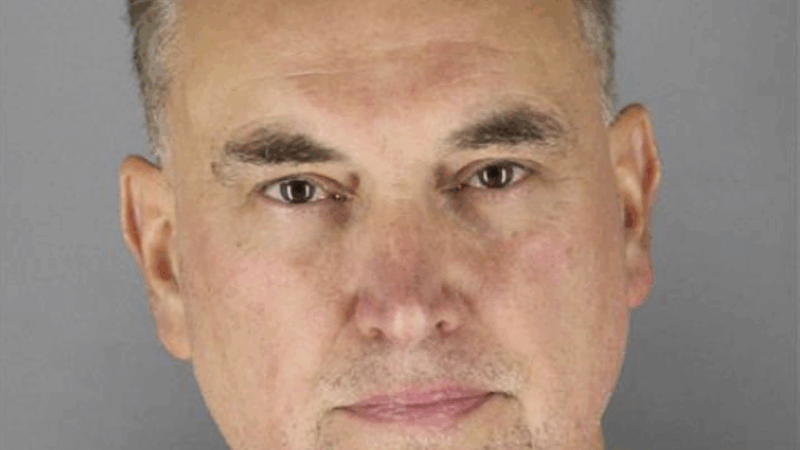
Law enforcement in Minnesota have arrested the man wanted in the attack early Saturday morning that killed one state lawmaker and left another wounded.
Vance Boelter, 57, was apprehended on Sunday night after what Brooklyn Park police Chief Mark Bruley called “the largest manhunt in state history.”
Bruley said at a Sunday night press conference that officers had been searching the area of Boelter’s property near the town of Green Isle when one thought they saw him “running into the woods.” After about an hour and a half, with the help of multiple SWAT teams and a State Patrol helicopter, authorities closed in on him and were “able to call him out to us.”
“Where he was ultimately taken into custody was in a field,” Bruley said, adding that Boelter was armed at the time.
Boelter was the subject of a days-long man-hunt involving hundreds of local, state and federal law enforcement after the shocking deaths of Democratic state Rep. Melissa Hortman and her husband. Officials say the couple were shot and killed in their Brooklyn Park, Minn., home by a man impersonating a police officer.
Earlier that same morning, Democratic state Sen. John Hoffman and his wife, Yvette, were shot at their home in nearby Champlin, Minn. In a statement shared with Minnesota Sen. Amy Klobuchar on Sunday night, Yvette said John “is enduring many surgeries right now and is closer every hour to being out of the woods.”
“He took 9 bullet hits,” she wrote. “I took 8 and we are both incredibly lucky to be alive.”
Minnesota Bureau of Criminal Apprehension superintendent Drew Evans told reporters on Sunday that Boelter had been charged with the Hortmans’ murders as well as the shooting of the Hoffmans. He said the FBI and and U.S. Attorney’s Office are reviewing whether to bring additional federal charges.
Boelter was booked into the Hennepin County Jail just after 1 a.m. Monday, and is due to appear in court later in the afternoon, MPR News reports.
What happened on Saturday

Police say they initially responded to the shooting at Hoffman’s house, and then went to Hortman’s home. There, they saw a car with emergency lights out front, and a man at the door dressed in all blue with black body armor. Officials say that man shot at police, but was able to get away.
Authorities have yet to announce a possible motive for the attacks, but Minn. Gov. Tim Walz called the shootings “an act of targeted political violence.”
At a news conference Saturday, state police said they found a list of individuals inside what they say is Boelter’s vehicle. Hortman and Hoffman were on that list along with other lawmakers, including U.S. Senator Tina Smith and Minnesota Attorney General Keith Ellison, who are also both Democrats.
Evans said Sunday that if officers hadn’t encountered Boelter at Hortman’s house, forcing him to abandon his vehicle, “I have every confidence that this would have continued throughout the day.”
Officials also said they found “No Kings” flyers in the car, a reference to the anti-Trump protests that happened around the country Saturday. Minnesota state officials urged residents to avoid the gatherings, though many still attended and the protests remained largely peaceful.
Other protests across the U.S. also remained largely peaceful, though not without incident: Police in Virginia arrested a man for recklessly driving his car through a crowd gathered to protest, hitting one person. In Texas, another man was arrested for making threats against state lawmakers there.
And on Sunday, Salt Lake City police announced the death of an “innocent bystander” who had been shot at a downtown protest, allegedly by a member of the event’s peacekeeping team who had been aiming at a different target: a person brandishing a rifle at demonstrators.
A backdrop of political violence
The shootings in Minnesota are part of a string of high-profile political violence across the country in recent years. In April, for example, a man allegedly set fire to Penn. Gov. Josh Shapiro’s home and faces charges including attempted murder, terrorism and aggravated arson.
Last year, the Brennan Center for Justice, a policy think tank, released a report saying nearly half of the state lawmakers it surveyed had experienced threats or attacks in recent years. At the federal level, the U.S. Capitol Police has documented a spike in threats against members of Congress.
And last summer, President Trump, who has often been criticized for stoking the intense emotions that can lead to political violence in the first place, survived an assassination attempt that left his ear bloodied and killed a person in the crowd.
In a post on social media, Trump condemned the shootings in Minnesota, saying that “such horrific violence will not be tolerated in the United States of America.”

TB or not TB? That is the question
A new study in "Nature Medicine" estimates 2 million people are incorrectly told they have TB each year — and clinicians miss diagnosing TB in 1 million people. Why so many misdiagnoses?

From Jesus to Jurassic Park: This year’s Super Bowl ads are playing it safe
Early Super Bowl spots show advertisers want lots of buzz but not controversy.
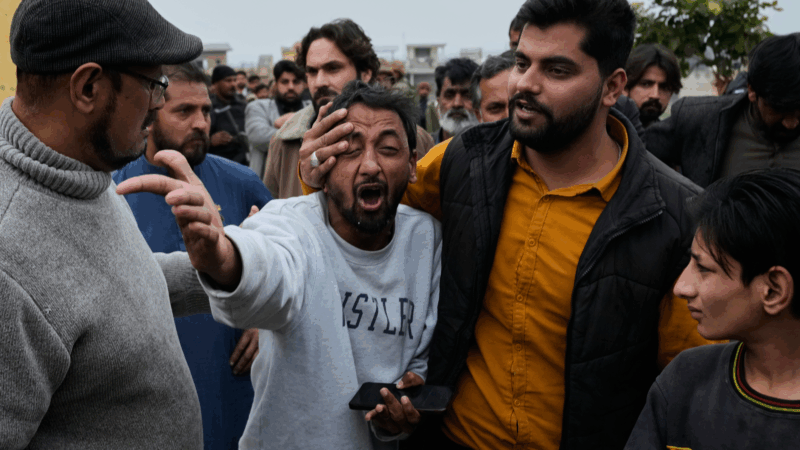
Suicide bombing at a Shiite mosque on Islamabad’s outskirts kills at least 31
It was a rare attack in the capital of Pakistan as its Western-allied government struggles to rein in a surge in militant attacks across the country.
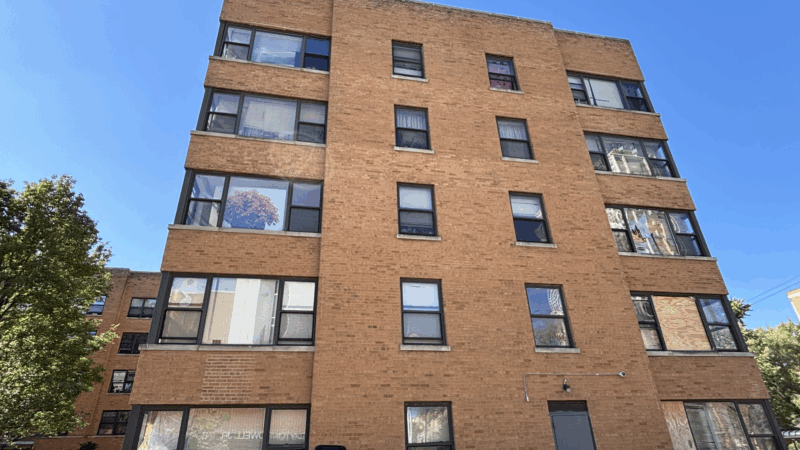
Court records: Chicago immigration raid was about squatters, not Venezuelan gangs
In the documents the Department of Homeland Security said the raid "was based on intelligence that there were illegal aliens unlawfully occupying apartments in the building." There is no mention of criminal gangs or Tren de Aragua.
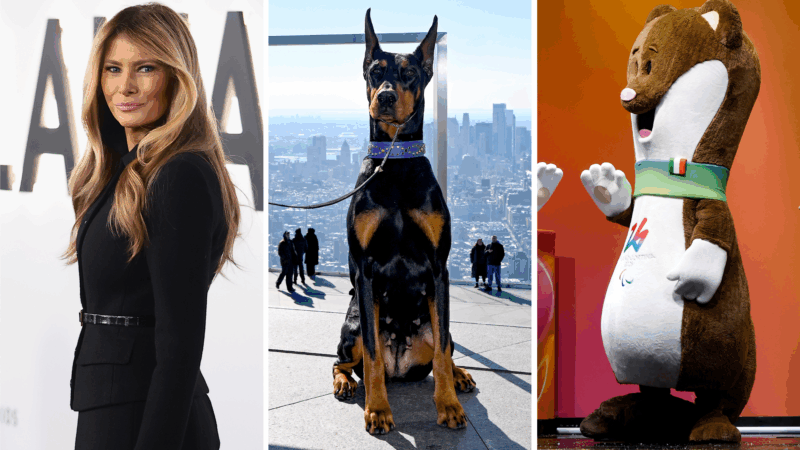
What does the CIA not want you to know? The quiz has the secret
Plus: ambiguous mascots, rodents with hard-to-spell names, and three boring photos of buildings.

Dog sled, ski ballet and other sports you could once see at the Winter Olympics
For many decades, Olympic Games included "demonstration sports." Some, like curling, became part of the permanent roster. But others, like skijoring, didn't stick around.
