
The MAHA plan for healthier kids includes 128 ideas, but few details
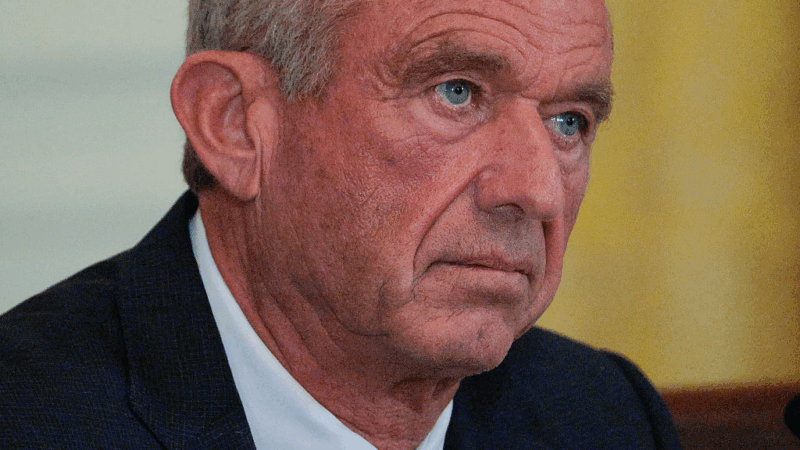
The Trump administration released a report Tuesday outlining a broad strategy to improve children’s health. It calls for a wide range of executive actions and policy reforms aimed at tackling a rise in chronic diseases.
In announcing the report, Health Secretary Robert F. Kennedy Jr. called chronic disease in kids “an existential crisis for our country” and said the report’s 128 recommendations are “historic and unprecedented.”
“There’s never been an effort like this across all the government agencies,” he said.
The Make America Healthy Again Commission, led by Kennedy, identified four potential drivers behind rising rates of chronic disease among children, including poor diet, chemical exposure, lack of physical activity and chronic stress, as well as “overmedicalization” – which the commission describes as “a concerning trend of overprescribing medications to children.”
The report has drawn mixed reactions from researchers and advocates working in public health, who note that its goals stand at odds with other recent Trump administration moves. Those include funding cuts to food assistance, Medicaid programs, and scientific research, as well as Secretary Kennedy’s push for changes in vaccine policy, all of which could undermine public health.
“How can we “Make America Healthy Again” unless we renew our commitment to ensuring access to food for children,” and other Americans, asks Eric Mitchell, President of the Alliance to End Hunger, in a statement.
“While Administration officials regularly tout the importance of nutrition,” they worked with Congress to pass a plan that will push millions of people off federal food assistance, known as SNAP, he says.
Susan Mayne, an epidemiologist at Yale University School of Public Health and former Food and Drug Administration official, says there’s consensus that “we need to address chronic disease in our whole population, including children,” and she agrees now is the time to take action.
The MAHA report includes “a lot of good talk about things they want to do,” Mayne says. “But the plan for how to execute it and the resources for how to get that done are actually going in the opposite direction. And so that concerns me.”
Tackling kids’ diet and exercise habits
The report notes that 60% of the calories U.S. children consume come from highly processed foods – which often contain excess salt, refined starch and sugar – and it calls for an educational campaign to promote the government’s dietary guidelines, which are expected to be updated in the coming weeks. The campaign will emphasize eating more whole foods and less highly processed products.
Mayne says it’s a good idea to develop a standard definition for ultra-processed foods, but says we need more than a definition.
“What are the steps that we’re going to take so that they’re eating less of it?” she wonders. “There are steps that they should be taking immediately to continue to try to reduce things like excess sodium, excess sugar and excess saturated fat in those ultra processed foods.”
The strategy calls for new research into nutrition and chronic disease prevention and the development of a standard definition of ultra-processed foods. It says the government will remove restrictions on whole milk sales in schools, and help states limit the purchase of unhealthy items with SNAP benefits.
The MAHA Commission points to “unprecedented levels of inactivity,” among children and their strategy calls for partnering with the President’s Council on Sports, Fitness, and Nutrition, to help states and schools “re-establish” the Presidential Fitness Test, and promote more physical activity in afterschool programs.
In addition, the plan is to launch an education and awareness initiative on screen time, one of the causes of inactivity, which will be led by the surgeon general. (To date, the Trump administration has not appointed a surgeon general. It has nominated Casey Means.)
“I’m very happy to see that they’ve identified diet and physical activity as two of the top health problems in the U.S.,” says Lindsey Smith Taillie, professor of nutrition at the Gillings School of Public Health at UNC Chapel Hill. “But this report was lacking actual, meaningful action that would help Americans address our problems.”
Chemical exposure flagged, but little pressure on pesticides
An earlier MAHA report, released in May, pointed to potential harms of chemical exposure and noted that children can be more vulnerable to these harms. It listed a range of chemicals, including PFAS, phthalates, bisphenols, microplastics and chemicals used on farms to kill pests and weeds.
The new strategy report states that “children are exposed to an increasing number of synthetic chemicals, some of which have been linked to developmental issues and chronic disease.”
This is an issue that has animated parts of the MAHA movement. As a long-time environmental lawyer, Kennedy has spoken out frequently against the use of agricultural pesticides and herbicides. During the 2024 presidential campaign, he made statements vowing to “ban” some agricultural chemicals that are already restricted in other countries.
But the report calls for few changes on regulation of pesticides.
The strategy calls for a more status-quo approach to evaluate current regulations that govern the use of agricultural chemicals: “The current regulatory framework should be continually evaluated to ensure that chemical and other exposures do not interact together to pose a threat.”
Dr. Philip J. Landrigan, a pediatrician and professor at Boston College, and director of the Program for Global Public Health and the Common Good notes that “the report contains no recommendations on how to reduce children’s exposures to toxic chemicals in food other than food dyes and heavy metals in infant formula.”
A call for new “vaccine framework”
The strategy also calls on the White House Domestic Policy Council and HHS to develop a new vaccine framework, which may mean revamping the vaccine schedule, the list of vaccinations that children should receive at specific ages. The schedule is developed by infectious disease experts, and a committee of expert advisors to the CDC, a group that Kennedy recently replaced with his own picks including some critical of vaccines.
The strategic plan calls for addressing vaccine injuries, and ensuring “medical freedom,” which in this context could suggest support for giving people more personal choice over vaccinating their children.
Kennedy’s recent moves in this area raise concerns that further actions may undermine an evidence-backed, uniform approach to vaccination. He recently pushed out Centers for Disease Control and Prevention director Susan Monarez and put new limits on access to the COVID vaccine.
In a Senate hearing with Kennedy last week, Senator Patty Murray, D-Maine, called for the immediate firing of Kennedy, saying “this man is burning down our public health system from the inside.”
“This administration’s unprecedented cuts to Medicaid and SNAP, along with its chaotic, confusing actions restricting vaccine access are worsening – not resolving—efforts to improve children’s health,” said Dr. Susan J. Kressly, president of the American Academy of Pediatrics.
A wide mix of ideas
All told, the report contains 128 proposals, covering research, policy changes and regulation, public awareness campaigns and suggestions for public-private partnerships.
But Landrigan of Boston College says it fails to present “any kind of comprehensive blueprint for improving the health of American children.”
“Overall, I would describe the report as presenting a very uneven, poorly conceived, disjointed hodgepodge of recommendations that reflect Secretary Kennedy’s preoccupations and little else,” he says.
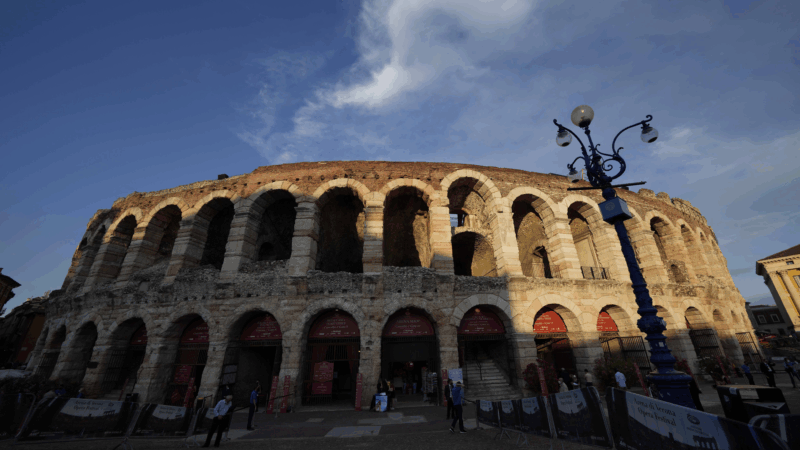
Mideast clashes breach Olympic truce as athletes gather for Winter Paralympic Games
Fighting intensified in the Middle East during the Olympic truce, in effect through March 15. Flights are being disrupted as athletes and families converge on Italy for the Winter Paralympics.
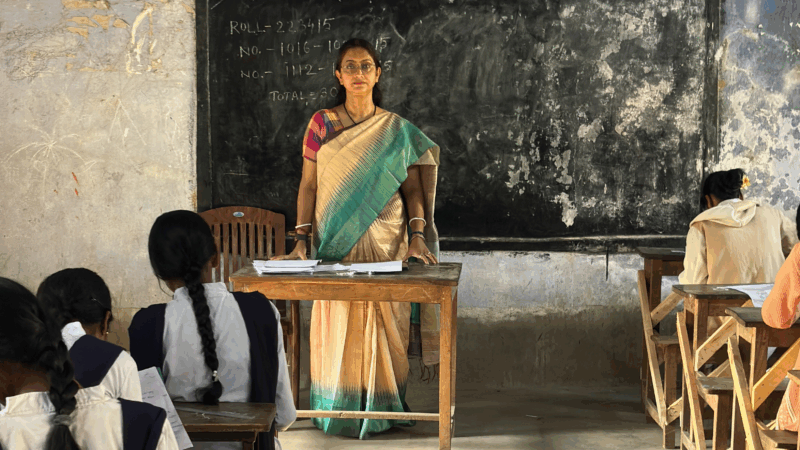
A U.S. scholarship thrills a teacher in India. Then came the soul-crushing questions
She was thrilled to become the first teacher from a government-sponsored school in India to get a Fulbright exchange award to learn from U.S. schools. People asked two questions that clouded her joy.

Sunday Puzzle: Sandwiched
NPR's Ayesha Rascoe plays the puzzle with WXXI listener Jonathan Black and Weekend Edition Puzzlemaster Will Shortz.

U.S.-Israeli strikes in Iran continue into 2nd day, as the region faces turmoil
Israel said on Sunday it had launched more attacks on Iran, while the Iranian government continued strikes on Israel and on U.S. targets in Gulf states, Iraq and Jordan.
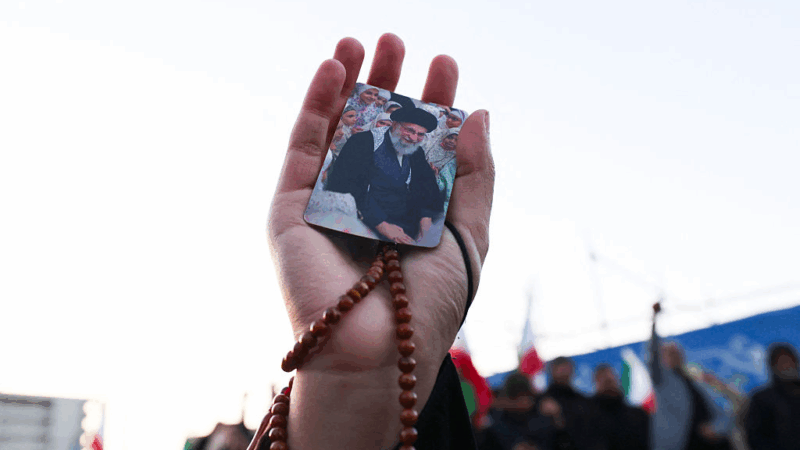
Trump warns Iran not to retaliate after Ayatollah Ali Khamenei is killed
The Iranian government has announced 40 days of mourning. The country's supreme leader was killed following an attack launched by the U.S. and Israel on Saturday against Iran.
Iran fires missiles at Israel and Gulf states after U.S.-Israeli strike kills Khamenei
Iran fired missiles at targets in Israel and Gulf Arab states Sunday after vowing massive retaliation for the killing of Supreme Leader Ayatollah Ali Khamenei by the United States and Israel.
