
The Lyrid meteor shower is expected to dazzle the night sky beginning this week
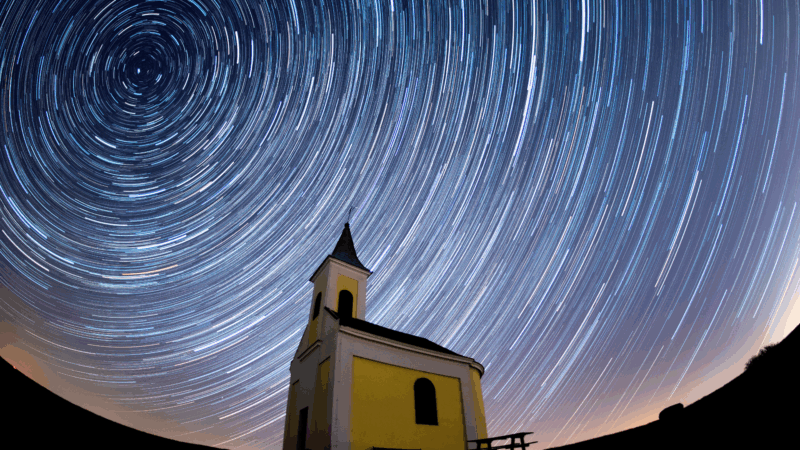
The Lyrid meteor shower, one of the oldest annual meteor showers known to humankind, will once again grace Earth’s sky beginning this week.
This year, the meteors are expected to come into view on Wednesday night and last through April 25.
What exactly are the Lyrids?
The Lyrids, like all meteor showers, are the flying trails of debris left behind by comets, according to Bill Cooke, the lead of NASA’s Meteoroid Environments Office. This shower is the litter of Comet Thatcher, first documented in 1861 by A.E. Thatcher.
“Thatcher left a debris trail that the Earth runs into the third week in April of every year, and that causes the shower when these bits of debris enter our atmosphere and burn up,” Cooke told NPR.
Amateur stargazers have come to know those pieces of incinerated detritus as shooting stars, darting meteors and fireballs.
Earthlings have been observing the Lyrids’ sky show for thousands of years, with the first recorded sighting in 687 B.C.
Thatcher is a relatively little-known comet that takes more than 400 years to orbit the sun, Cooke said. The last time it was in Earth’s line of sight was right around the start of the Civil War.
The comet itself will not enter Earth’s view again until the late 23rd century.
Coincidentally, the Lyrids will coincide with another shower, the Eta Aquariids, which is expected to begin on Friday and last through May 28th. That shower is expected to peak on May 5 and 6, according to the American Meteor Society.
How can I watch the meteor shower?
The peak of the Lyrid shower this year is expected around April 21 and 22, when the tail is at its peak.
Luckily, no special equipment is required to observe the shower’s brilliant lights. The main requirement is a clear, dark sky.
“You’re not going to see meteors from downtown Manhattan or Central Park,” Cooke said. “You need to find the darkest sky you can, you need to lay flat on your back and look away from the moon.”
Give yourself 30 to 45 minutes for your eyes to adjust to the dark, Cooke said — and from there, simply enjoy the show.
Supreme Court appears split in tax foreclosure case
At issue is whether a county can seize homeowners' residence for unpaid property taxes and sell the house at auction for less than the homeowners would get if they put their home on the market themselves.

Top House Dem wants Justice Department to explain missing Trump-related Epstein files
After NPR reporting revealed dozens of pages of Epstein files related to President Trump appear to be missing from the public record, a top House Democrat wants to know why.

ICE won’t be at polling places this year, a Trump DHS official promises
In a call with top state voting officials, a Department of Homeland Security official stated unequivocally that immigration agents would not be patrolling polling places during this year's midterms.

Surgeon general nominee Means questioned about vaccines, birth control and financial conflicts
During a confirmation hearing, senators asked Dr. Casey Means about her current positions and her past statements on a range of public health issues.

Rock & Roll Hall of Fame 2026 shortlist includes Lauryn Hill, Shakira and Wu-Tang Clan
The shortlist also includes a 1990s pop diva, heavy metal pioneers and a legendary R&B singer and producer.

This novel about family drama is so good you may want to re-read it immediately
Allegra Goodman's new novel is called This Is Not About Us, but critic Maureen Corrigan says that title is coy: Readers are bound to see aspects of themselves and their families in these pages.
