
The Justice Department is about to make its case for a Google breakup. Here’s what to know
Google is back in court on Monday for the final phase of a landmark antitrust case that may result in its breakup, a decision that would send shockwaves through the tech world and shake up internet search.
In 2020, the Justice Department, joined by a group of states, accused Google of illegally stifling competition by paying the makers of web browsers and phones to set Google as their default search engine. Last summer, U.S. District Judge Amit Mehta agreed, ruling after a 10-week trial that “Google is a monopolist, and it has acted as one to maintain its monopoly.”
The nearly $2 trillion company has said it will appeal — but it can’t until this phase of the trial is over.
“People don’t use Google because they have to — they use it because they want to,” Lee-Anne Mulholland, Google’s Vice President for Regulatory Affairs, said in a statement in December.
Starting on Monday, Mehta will preside over a hearing expected to stretch over several weeks, during which the Justice Department and Google will present competing visions of an appropriate market remedy for the company’s monopolistic behavior. After the two sides argue their cases, Mehta will decide on remedies.
The government says that the judge should order Google to stop making third-party payments to phone makers like Apple that ensure its default search position. They also call for Google to spin off its Chrome web browser and possibly to sell its Android smartphone operating system.
Chrome is the world’s leading web browser and Android is used by more smartphone users than any other operating system. Chrome comes preloaded with Google search engine as the default, and Android is bundled with Google apps, including Chrome.
The tech company’s highly profitable advertising business is powered by data it harvests from user activity on Chrome and Google search.
In a pre-hearing brief on April 14, lawyers for Google argued that the Justice Department’s proposed remedies do not match the conduct for which it was found to be anticompetitive. The steps “would harm consumers and innovation, as well as future competition in search and search ads in addition to numerous other adjacent markets,” they wrote.
They argue that it will force consumers to use other search engines — even if those engines are “demonstrably inferior” and the user would prefer Google.
Rebecca Haw Allensworth, an antitrust professor at Vanderbilt Law School, said that, even if Google appeals, the case is defining how digital markets will be regulated.
“I think that this case really could set the tone for what antitrust enforcement looks like in digital markets. And I think it already kind of has,” she said. “It’s the idea that just because you’re great and you were innovative and you make a new product that changes everybody’s life, and everybody uses it quite a bit, doesn’t mean that you get to then defend that monopoly by excluding others and kind of stopping that innovation.”
The last tech-related government antitrust case of this magnitude was against Microsoft, which started in 1998. That case centered on whether Microsoft was abusing a monopoly position by bundling its Internet Explorer browser with its near-ubiquitous Windows operating system. A district court ordered the company to be split in two, but that part of the ruling was overturned on appeal. The DOJ and Microsoft eventually settled.
The case set the stage for Google to emerge as a competitor and eventual leader in online search.
John Newman, an expert in antitrust law at the University of Miami, said the current case against Google could create another major shift in the environment for tech innovation. “If the judge does everything that the government is asking … the landscape could look pretty radically different if you are, say, a gen AI startup,” he said, referring to generative artificial intelligence, machine learning systems that can be used to make text and images.
It may become easier, for instance, for tech startups to get products that compete with Google — in search or AI, for instance — in front of consumers. At the moment, he says Google is “like gravity.”
“It’s always the default on your phone. It’s always the default on your browser. It’s constantly pulling people back to the old way of doing things,” he said. In the “battleground for ideas,” he said, this case “sends a message that, no, the government is not just going to step aside and let the markets do their thing.”
An initial Justice Department proposal for remedies included forcing Google to pull out of its investments in AI, which includes the more than $3 billion it’s poured into Anthropic, the AI research company that developed the Claude large language model.
In March, however, the DOJ changed tack. In a court filing, the government said it was still concerned about Google’s potential ability to influence AI companies, but it dropped the divestiture requirement, saying barring the company completely from investments in AI could “cause unintended consequences in the evolving AI space.”
Big Tech is under fire on multiple fronts. The Google hearing on Monday comes after a U.S. District Court judge in Virginia ruled against the company in another major case, saying the company illegally maintained a monopoly in some online advertising technology.
And Meta CEO Mark Zuckerberg was in court last week defending his social media platform in a case in which the Federal Trade Commission argues the tech behemoth has abused its power and acted as a monopoly by acquiring rivals in order to defang them as competitors.

Why the Chicago Bears could be moving to Indiana
While Illinois is trying to keep the team in Chicago's suburbs, Indiana lawmakers are offering a plan to finance a new stadium

Pentagon tightens controls over Stars and Stripes after calling it “woke”
The new rules for the independent military newspaper are the Defense Department's latest effort to put extraordinary restrictions on journalists covering the agency.
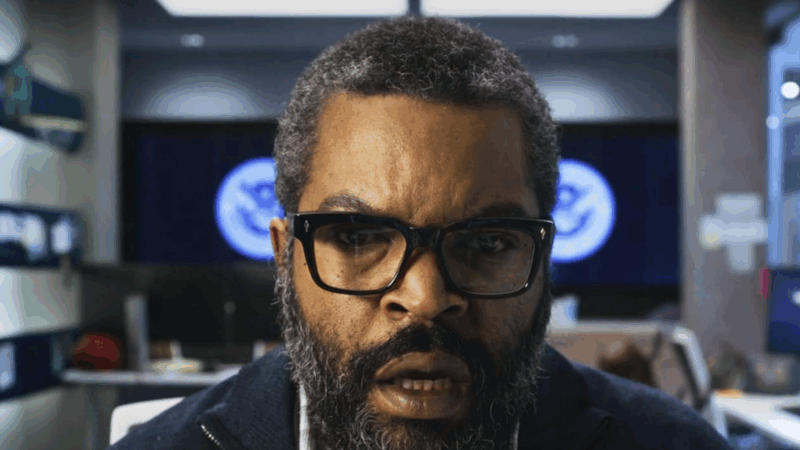
‘War of the Worlds’ remake sinks to the bottom at this year’s Razzie Awards
The surveillance industry version of HG Wells' 1898 classic sci-fi novel stars Ice Cube, and won accolades for worst picture, actor, director and more.

Russian strike on Kyiv region kills 4 and wounds 15, with peace talks stalled
The strikes comes after the United States paused ceasefire talks between Russia and Ukraine due to the war with Iran.
As the risk of measles grows, why are parents so divided on vaccines?
In South Carolina, some parents embrace vaccines, others opt out. Why do people make such different choices? A mix of politics, distrust and misinformation is pushing neighbors apart.
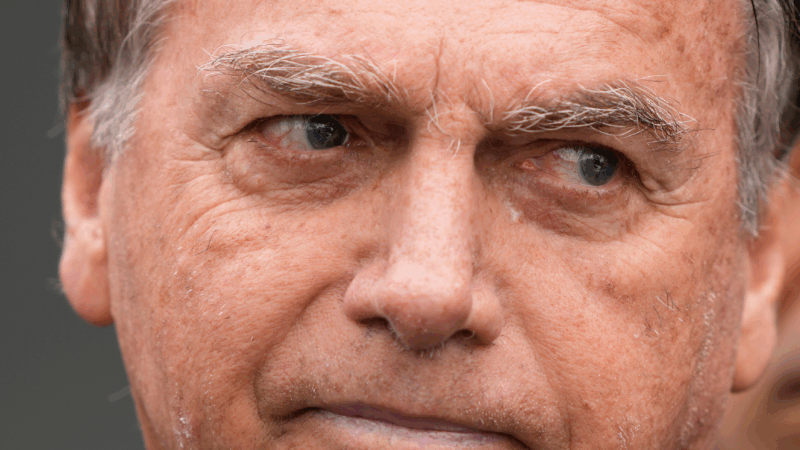
Brazil’s ex-President Bolsonaro is in intensive care with pneumonia, hospital says
One of Bolsonaro's doctor's described the former Brazilian president's medical condition as "serious."
