
The doctor said ‘be happy.’ Music therapy can help cancer patients do that
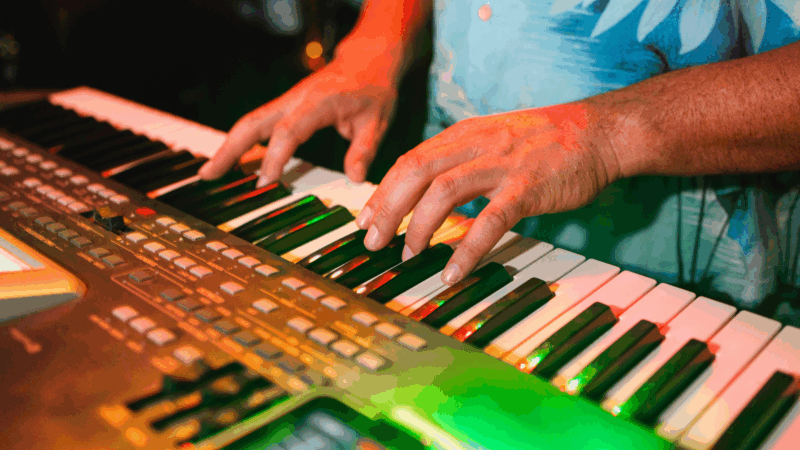
Cynthia Cherish Malaran didn’t like the piano lessons she took as a child, so it amused the native New Yorker that she found second-career success as a DJ a decade ago, spinning tunes for MTV, Lincoln Center and other clients.
“I was playing music for people, watching them forget about their stress and forget about whatever worries them and just be present on the dance floor,” says Malaran, who would watch their catharsis from the sidelines. “I never — even in my career as a DJ — thought of music for my own healing, until I really needed it.”
When a ‘miracle drug’ disappoints
That time came a decade ago when, at age 39, Malaran was diagnosed with breast cancer. Following chemotherapy and surgery, her best hopes of remaining cancer-free rested largely on Herceptin, a medicine so effective at targeting her specific form of disease that patients like her call it their “miracle drug.” But after only a few rounds, Malaran proved allergic — and there was no substitute.
Malaran implored her oncologist, “What should I do?” The doctor responded, simply: “Be happy.”
“I couldn’t believe she said that,” recalls Malaran. How is that even possible? Then she understood: “I realized if I can manage my stress and my emotions, that I would have the best chances of surviving, even though I was taken off of treatment.”
Sessions over seven weeks
Managing the various symptoms and anxieties that often accompany cancer through music therapy, it turns out, is as effective as traditional cognitive behavioral therapy, according to a study presented at the American Society of Clinical Oncology meeting this month. The study involved seven weeks of a hybrid kind of therapy, combining talk, music and lyrical composition as forms of expression. During sessions, trained therapists might help put a patient’s words or feelings to a melody, for example, or they might co-write a tune. Or simply listen.
“There was a time period when these were viewed as kind of outside the mainstream,” says Dr. Kevin Liou, the study’s author and a specialist at Memorial Sloan Kettering Cancer Center who’s helping patients integrate auxiliary care such as acupuncture, herbal remedies and music therapy into their cancer treatment.
Millions of survivors
Because of so many improvements in cancer diagnosis and treatment, many millions more people are surviving the disease, often for many years. As a result, the population of cancer survivors has surged in recent decades to 18.6 million people in the U.S. alone, according to the American Cancer Society’s most recent report. With that, says Liou, comes more need for varied therapies to improve their quality of life.
“We want to have a wide range of tools so that we can better personalize treatments for people.”
The next phase of research is to look at characteristics of patients likely to benefit from music therapy, Liou says.
For Malaran, music therapy was a natural fit. She found Liou’s “Melody Study” through Memorial Sloan Kettering hospital. During sessions, Malaran sometimes wrote lyrics to express her emotions, or just hummed along, listening.
“Picture yourself feeling unwell and someone is serenading you — just you — and how much better you feel because you’re being seen and cared for that way,” Malaran explains.
The act of creation
Liou says what sets music therapy apart from passive listening or playing music on one’s own is the therapeutic collaboration. Through conversation and music creation, patients access another way to process their emotions, he says.
“It’s actively creating something, and you’re doing it with the guidance of a trained music therapist.”
Malaran says music could give expression to emotions for which there were no apt words. The healing, she says, was in that expression: “Creating something beautiful coming from my cancer is like the ultimate way for me to heal.”
She’s now a decade in remission, and it’s been three years since she completed the therapy, but she still hums whenever she feels uneasy.
“I don’t even sing for fun. But humming is something I still do even today — years after those sessions — as a way to regulate my stress and bring my nervous system back to level ground and to relax,” she says.
It happened just the other day, she says. She felt worries creep in, and then the vibrations calmed her.

Opinion: The immorality of betting on war
Traders on prediction markets bet on nearly anything. One made more than half a million dollars betting on the U.S. strike against Iran. But should people wager on human suffering?
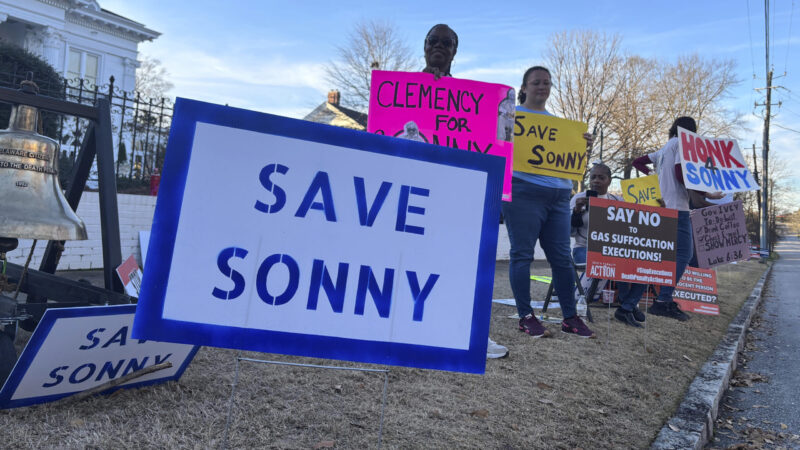
Alabama man facing execution for deadly robbery asks for clemency as he didn’t kill victim
Charles “Sonny” Burton is scheduled to be executed March 12 for his role in a 1991 robbery in which a man was fatally shot. His supporters and attorney are asking the governor for clemency, arguing that his life should be spared because Burton didn’t fire the gun or witness the killing.
One week into the Iran war, the fallout is global
The war is no longer just about the U.S., Israel and Iran. More countries are getting caught in the political crossfire or being drawn into the fighting themselves.

Curling had its moment at the Olympics and now Paralympics. It sparked a curling bonanza in America
Hundreds of people become interested in curling every four years and the 2026 numbers already show that boom.
Iran’s president defies U.S. demands while apologizing for strikes on neighbors
President Masoud Pezeshkian said Saturday that a demand by the U.S. for an unconditional surrender is a "dream that they should take to their grave." He also apologized for Iran's attacks on regional countries.
What the Trump administration says about why it went to war with Iran
The Trump administration says it is "laser focused" and mission driven, but the messaging has been varied. The range of cited motivations for striking Iran now are sometimes at odds with each other.
