
The biggest trial in Meta’s history starts today. Here’s what to know
The Federal Trade Commission’s blockbuster antitrust case against Meta kicks off on Monday in a courtroom in Washington, DC. It’s the culmination of a nearly six-year investigation into whether the social media giant broke competition laws in acquiring Instagram and WhatsApp.
At stake is the future Meta’s enormous advertising business and the prospect of having to spin off its hugely popular services into separate companies.
Lawyers for the FTC and Meta will deliver opening statements on Monday before U.S. District Judge James Boasberg in a trial expected to stretch for seven to eight weeks.
Reams of evidence and dozens of witnesses will be scrutinized. The government plans to call CEO Mark Zuckerberg, former chief operating officer Sheryl Sandberg and the head of Instagram, Adam Mosseri, to the witness stand.
What is the FTC’s case against Meta?
The FTC argues that when Meta acquired Instagram, in 2012, and WhatsApp, two years later, that it was part of a strategy to eliminate competition and maintain monopoly power over the social media market. The government contends that a “buy or bury” strategy propelled Meta’s acquisitions, leading Meta to gobble up competitors it viewed as threats, or to squash the rivals out of business altogether. The FTC says this alleged behavior is illegal under federal antitrust laws.
What remedy does the FTC want?
The government argues the only way to restore competition to the social media marketplace is for Meta to be forced to unwind its purchase of both Instagram and WhatsApp. The government says divesting those apps will allow smaller social media companies compete for consumers and ad dollars and loosen Meta’s grip on the industry.
How is Meta expected to respond in court?
Meta counters that it is being punished for being an innovative and aggressive tech company. It has always competed fairly, Meta’s lawyers say, and regulators are attempting to punish the tech titan’s runaway success. Lawyers for Meta have also said in court filings that the acquisitions of Instagram and WhatsApp were approved by regulators more than a decade ago, saying to revisit those decisions now is wrongheaded.
Yet the FTC maintains that Meta was not forthcoming to regulators who cleared the purchases, claiming Meta withheld key information about the company to win the blessing of Washington. Another important facet to Meta’s defense is just how different the social media ecosystem is today, versus 2012 and 2014, when the company made those purchases.
Now, Meta says it faces fierce competition from the likes of Elon Musk’s X, TikTok, Snapchat and many other social media platforms. In a statement ahead of opening statements, Meta said “its evidence at trial will show what every 17-year-old in the world knows: Instagram, Facebook and WhatsApp compete with Chinese-owned TikTok, YouTube, X, iMessage and many others. More than 10 years after the FTC reviewed and cleared our acquisitions, the Commission’s action in this case sends the message that no deal is ever truly final.”
What would it mean for users of Facebook, Instagram and WhatsApp if Meta was forced to break up?
The FTC says it would mean more robust competition among social media startups, and therefore better quality services for everyone. Government lawyers argue that Meta’s services have degraded in quality in part because of its dominant position in the marketplace. More competitors, the FTC contends, would help improve what’s available to consumers.
Regulators also say Meta’s privacy protections have lapsed as a result of its alleged monopoly status. To the FTC, a break-up would mean better social media apps for all of us. But Meta says the opposite: That a breakup would make each of its individual apps less integrated and worse for consumers.
What about the politics of the case? How does CEO Mark Zuckerberg’s relationship with Trump play into this trial?
This case first started in Trump’s first term, in December 2020. That’s when Trump still had a bitter feud with Zuckerberg, but the two have been less confrontational of late. Before he won the November election, Trump threatened to throw Zuckerberg in prison, saying if Zuckerberg’s platforms did anything to hurt Trump’s chances on the campaign trail, he would “spend the rest of his life in prison.”
Like many other executives in Silicon Valley, Zuckerberg has recently been ingratiating himself with the Trump administration. Zuckeberg has publicly praised Trump; he donated $1 million to Trump’s inaugural committee; and he’s made company-wide shifts that align with Trump’s priorities, like ending Facebook and Instagram’s fact-checking program and rolling back diversity, equity and inclusion programs.
Zuckerberg has also made several visits to Trump’s Mar-a-Lago club. There has been speculation that Trump could abandon the trial and settle with Meta but so far, all indications point to the case unfolding for many weeks. That said, the start of the trial does not take a settlement off the time. It is possible, though unlikely, that the two sides reach a settlement in the midst of the trial.

U.S-Israeli strikes continue across Iran, Iranian drones hit Azerbaijan
The U.S. and Israel said they conducted new strikes inside Iran overnight, targeting ballistic missile launchers. Iran claimed it struck a U.S. oil tanker in the northern Persian Gulf.
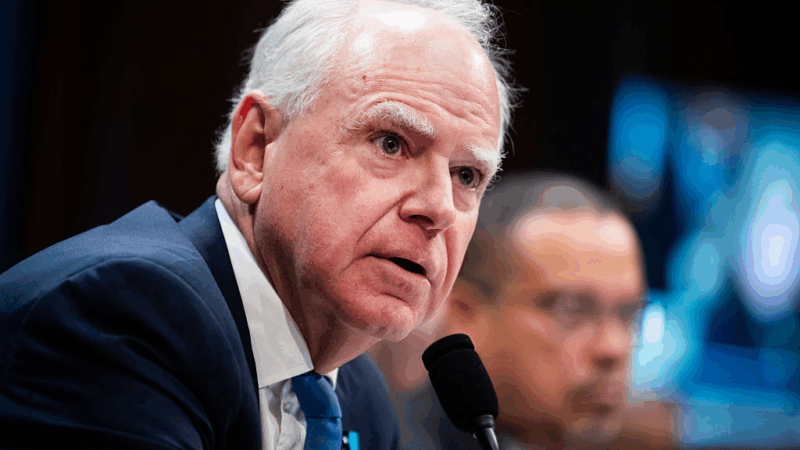
In lawsuit, Minnesota accuses Trump administration of ‘weaponizing’ Medicaid funding
The federal government said the state should do more to fight fraud and is holding back funds. Minnesota officials say the attack is unfair as the state's fraud rate is well below national averages.
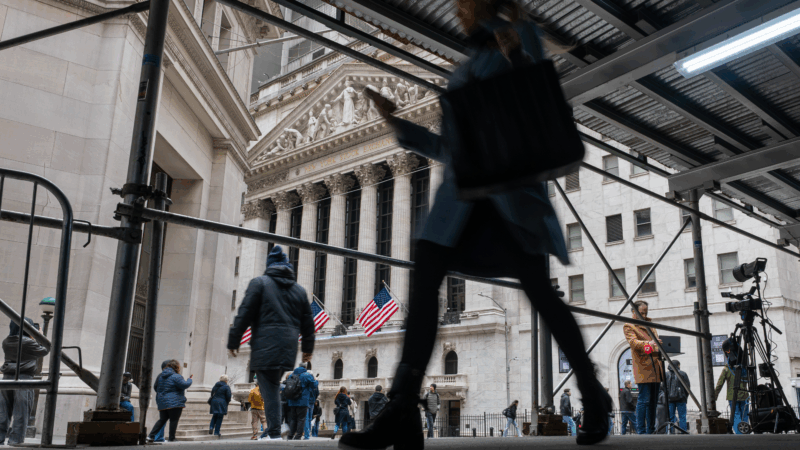
Wall Street is betting on tariff refunds after Supreme Court ruling
When the Supreme Court struck down many of President Trump's tariffs, it left importers wondering how long they'd have to wait to get their money back. Hedge funds are offering to help out.
Announcing the 2025 NPR College Podcast Challenge Honorable Mentions
Here are some of the best entries in NPR's 2025 College Podcast Challenge.
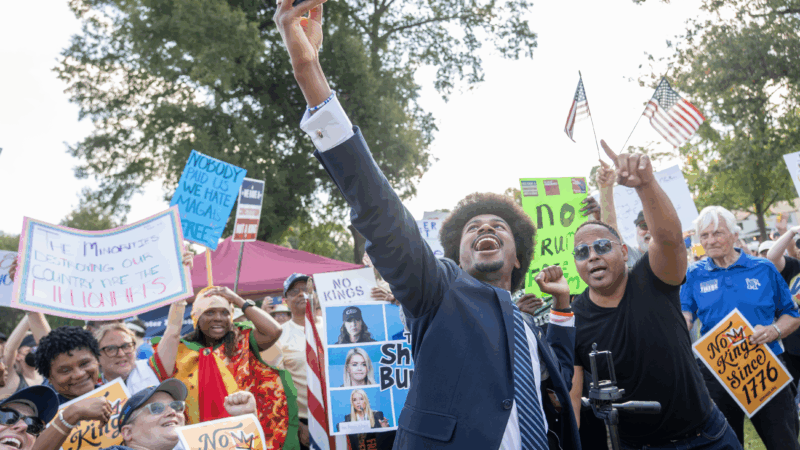
A run for their money: Young candidates rival older incumbents in midterm fundraising
As a growing crop of young candidates challenge longtime Democratic incumbents, some are not just breaking through in the money race, but outraising their opponents altogether.

When ICE came, Minneapolis created underground health networks. Should other cities?
The Trump administration's immigration crackdown in Minneapolis forced some families into hiding and catalyzed informal medical networks to deliver critical health care services inside homes.
