
Thai and Cambodian soldiers fire at each other in disputed border area
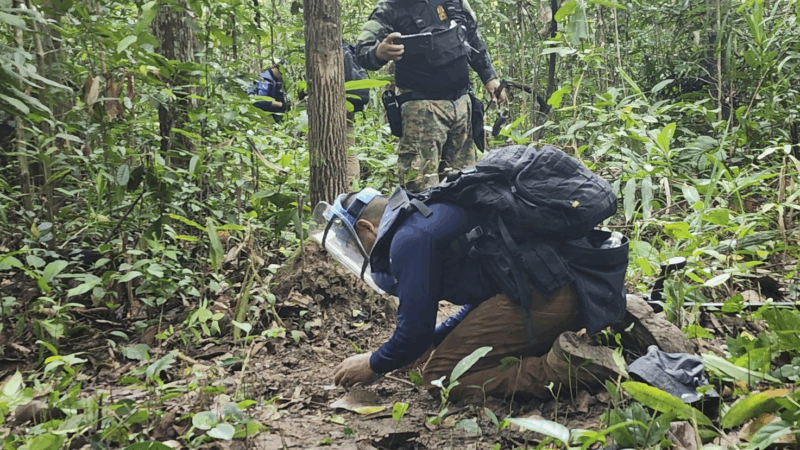
BANGKOK — Thai and Cambodian soldiers fired at each other in contested border area Thursday after the nations downgraded their diplomatic relations in a rapidly escalating dispute.
It was not immediately clear if the clash was ongoing. A livestream video from Thailand’s side showed people running from their homes and hiding in a concrete bunker Thursday morning as explosions sounded periodically.
The clash happened in an area where the ancient Prasat Ta Muen Thom temple stands along the border of Thailand’s Surin province and Cambodia Oddar Meanchey province.
Both Thailand and Cambodia accused each other of opening fire first.
Earlier Thursday, Cambodia said it was downgrading diplomatic relations with Thailand to their lowest level, expelling the Thai ambassador and recalling all Cambodian staff from its embassy in Bangkok. That was in response to Thailand closing its northeastern border crossings with Cambodia, withdrawing its ambassador and expelling the Cambodian ambassador Wednesday to protest a land mine blast that wounded five Thai soldiers.
Relations between the Southeast Asian neighbors have deteriorated sharply since May when a Cambodian soldier was killed in an armed confrontation in another of the several small patches of land both countries claim as their own territory.
The Thai army said of Thursday’s clash that its forces heard an unmanned aerial vehicle before seeing six armed Cambodian soldiers moving closer to Thailand’s station. It said Thai soldiers tried to shout at them to defuse the situation but the Cambodian side started to open fire.
Cambodia’s Defense Ministry said Thailand started the armed clash and Cambodia “acted strictly within the bounds of self-defense, responding to an unprovoked incursion by Thai troops that violated our territorial integrity.”
Cambodian Senate President Hun Sen posted on his Facebook page, urging people not to panic and have faith in their government and the military.
On Wednesday, a land mine blast near the border wounded five Thai soldiers, one of whom lost a leg.
A week earlier, a land mine in a different contested area exploded and wounded three Thai soldiers when one of them stepped on it and lost a foot.
Thai authorities have alleged the mines were newly laid along paths that by mutual agreement were supposed to be safe. They said the mines were Russian-made and not of a type employed by Thailand’s military. Cambodia rejected Thailand’s account as “baseless accusations,” pointing out that many unexploded mines and other ordnance are a legacy of 20th century wars and unrest.
Nationalist passions on both sides have further inflamed the situation, and Thailand’s prime minister was suspended from office on July 1 to be investigated for possible ethics violations over her handling of the border dispute.
Border disputes are longstanding issues that have caused periodic tensions between the countries. The most prominent and violent conflicts have been around the 1,000-year-old Preah Vihear temple.
In 1962, the International Court of Justice awarded sovereignty over the area to Cambodia and that became a major irritant in the relations of both countries.
Cambodia went back to the court in 2011, following several clashes between its army and Thai forces which killed about 20 people and displaced thousands. The court reaffirmed the ruling in 2013, a decision that still rattled Thailand.

Judge rules 7-foot center Charles Bediako is no longer eligible to play for Alabama
Bediako was playing under a temporary restraining order that allowed the former NBA G League player to join Alabama in the middle of the season despite questions regarding his collegiate eligibility.

American Ben Ogden wins silver, breaking 50 year medal drought for U.S. men’s cross-country skiing
Ben Ogden of Vermont skied powerfully, finishing just behind Johannes Hoesflot Klaebo of Norway. It was the first Olympic medal for a U.S. men's cross-country skier since 1976.
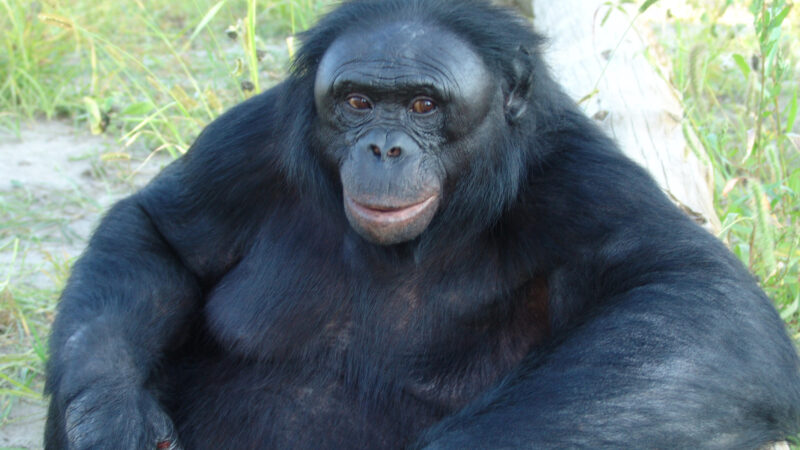
An ape, a tea party — and the ability to imagine
The ability to imagine — to play pretend — has long been thought to be unique to humans. A new study suggests one of our closest living relatives can do it too.
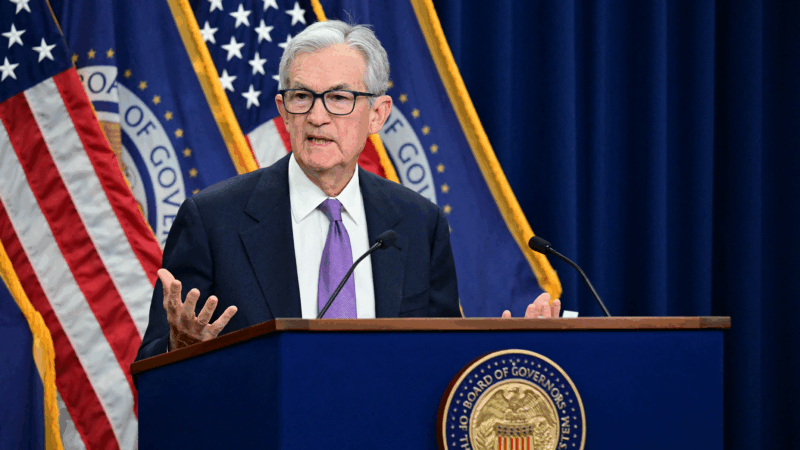
How much power does the Fed chair really have?
On paper, the Fed chair is just one vote among many. In practice, the job carries far more influence. We analyze what gives the Fed chair power.
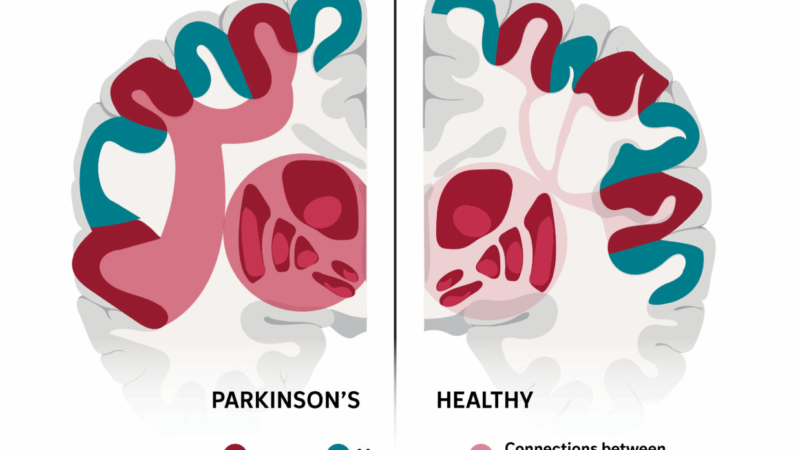
This complex brain network may explain many of Parkinson’s stranger symptoms
Parkinson's disease appears to disrupt a brain network involved in everything from movement to memory.
‘Please inform your friends’: The quest to make weather warnings universal
People in poor countries often get little or no warning about floods, storms and other deadly weather. Local efforts are changing that, and saving lives.
