
Teens are sleeping less than ever and screens aren’t primarily to blame
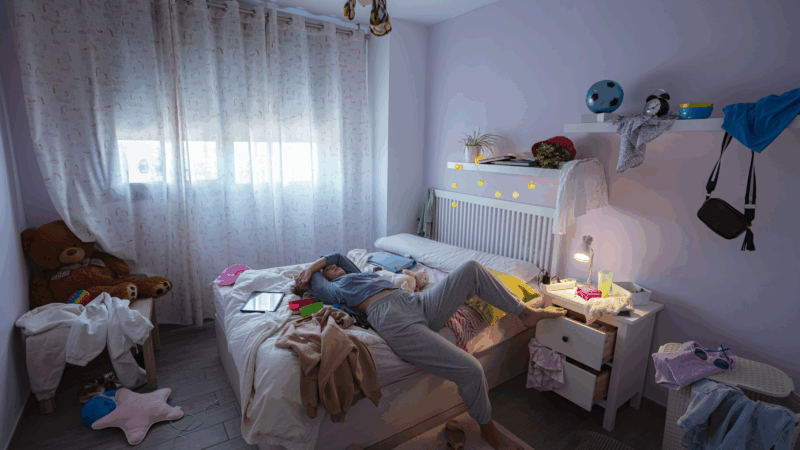
The spring time change can mean waking up a little groggy. But the situation may be worse for many teenagers who appear to be getting less sleep than ever, according to a new report in the Journal of the American Medical Association.
That’s concerning because adolescents really need their beauty rest.
“Sleep plays a crucial role in adolescent brain development,” says Tanner Bommersbach, a child and adolescent psychiatrist at the University of Wisconsin School of Medicine and Public Health. “It’s important for emotional regulation in teenagers and important for their overall physical and mental health.”
Bommersbach says that it’s been clear for some time that teens are sleeping less now than they once did. But he and his colleagues wanted to know if that loss of sleep has been impacting certain groups of adolescents disproportionately.
They analyzed data from almost 121,000 high school students included in the Youth Risk Behavior Survey to understand trends in insufficient sleep, defined as less than eight hours per night.
The bottom line is that things have gotten worse. Roughly three out of four American adolescents across all demographics reported insufficient sleep in 2023, which is up by 8% since 2007. This trend was driven by an increase in teens getting very short sleep of five hours or less, which swelled from 15.8% to 23.0% over that same time period.
In addition, they found Black students showed a greater increase in getting too little sleep compared to white students, says Bommersbach. “But in general, we were seeing large increases across the population regardless of a student’s age, sex, or race and ethnicity.”
The rise in insufficient sleep didn’t appear to depend on certain risk behaviors either. “Regardless of mental health symptoms, substance use, how many hours a day they’re watching TV or they’re on social media, we saw widespread increases in insufficient sleep across the population,” he says.
The lack of a link with the use of electronics was surprising to Bommersbach given how much attention has been focused on screens causing sleep loss. But in fact, he and his colleagues found that “teens who have very little screen time are actually seeing a greater rise in insufficient sleep than teens with heavy screen use,” he says.
Bommersbach isn’t exactly sure what’s behind this overall surge in less sleep but he speculates it could be earlier school start times, too many extracurricular demands, and less parental monitoring. Whatever the reason, he worries about its impact on teenage mental health and school performance.
“This is definitely a highly prevalent problem,” says Anita Shelgikar, a neurologist at the University of Michigan Medical School and president of the American Academy of Sleep Medicine who wasn’t involved in the research. “It’s an epidemic in our country — the epidemic of adolescent sleep deprivation.”
Shelgikar suggests a few steps that teens can take to improve their sleep. These include dimming the lights and minimizing the use of electronics before bed, keeping a consistent sleep schedule, maintaining a sleeping environment that’s cool, dark, and quiet.
It’s also important, she says, to get exposed to bright light first thing in the morning.
“That really sends a signal to the brain to be awake and alert,” she says. “And it’s the wakeup time that drives the bedtime.”
It’s especially valuable to get outdoor light in the morning — which is far brighter than indoor — to set the brain’s circadian rhythm for the day, research shows.
Shelgikar also encourages adults to model healthy sleep hygiene and help teens understand that good sleep matters to their overall well-being. She also advocates for incorporating sleep health education into school curricula and considering a delayed school start time.
Researchers have found that when schools begin the day later, teens get more sleep and perform better academically.
When she considers the new findings, she says, “This is certainly a call to action.”

Chimps’ taste for fermented fruit hints at origins of human love of alcohol
Scientists analyzed the urine of wild chimpanzees who'd feasted on fallen fruit to see how much alcohol they consumed from the fermented sugars.

Iran attacks Israel, Gulf states, after naming new leader on Day 10 of war
The price of crude oil briefly neared $120 a barrel Monday as Iran named Mojtaba Khamenei the supreme leader and then launched new attacks at Israel and Gulf states.

World shares tumble as Iran war pushes crude prices over $110 a barrel
World shares tumbled on Monday, with Japan's benchmark Nikkei 225 index plunging more than 5%, after oil prices spiked at nearly $120 a barrel.
Come along with some geese as they migrate back from their southern winter havens
Geese's iconic "V" formations and trademark squawks can be seen and heard overhead as they go back and forth to the south through the year. But what does it take for such a long trip?
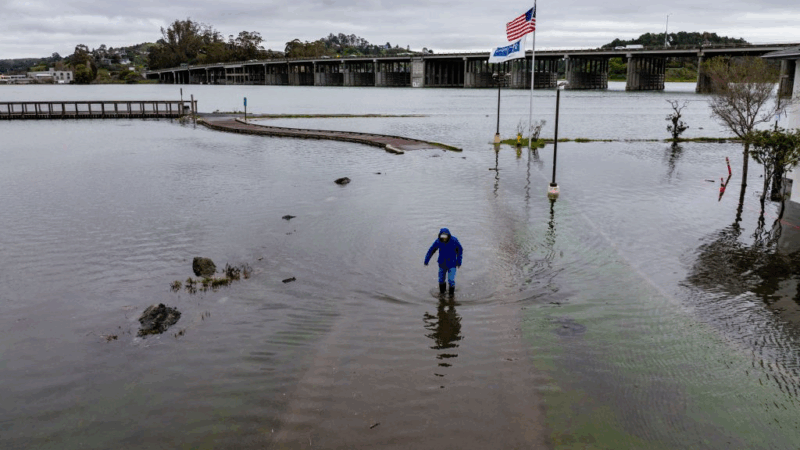
Millions more people are in the path of rising seas than previously thought
Oceans are rising as the climate changes, threatening coastal cities. A new study shows that much more of the world's population is vulnerable than earlier predictions had estimated.
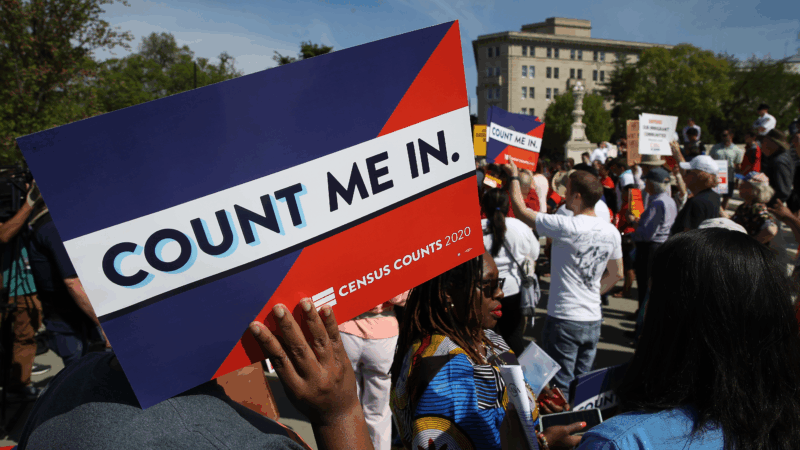
The next redistricting battle might be who is counted in state legislative districts
A Republican push to alter the census may lead to a radical shift in redistricting for state legislatures — drawing districts that don't take into account children and non-U.S. citizen adults.
