
Tanning bed users are at higher risk of skin cancer, especially in unusual places
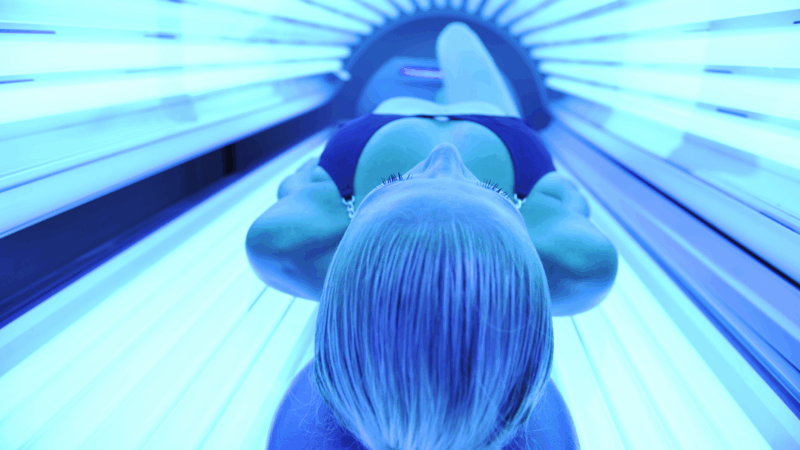
Hop onto TikTok and you’ll find lots of videos of young people — mostly women — fake baking under the glowing UV lights of a tanning bed. Seattle dermatologist Heather Rogers says this is an alarming trend that comes after years of decline in indoor tanning in the U.S.
She points to a 2025 survey from the American Academy of Dermatology which found 20% of Gen Z respondents prioritize getting a tan over protecting their skin. And 25% say it’s worth looking great now even if it means looking worse later.
They feel like “it’s better to be tan than it is to worry about skin cancer,” Rogers says.
A new study in the journal Science Advances reinforces just why they should worry.
Researchers found that tanning bed users were nearly three times as likely to develop melanoma — the deadliest form of skin cancer — compared to people who’d never tanned indoors. They also had DNA damage that can lead to melanoma across nearly the entire surface of the skin.
“Even in skin cells that look normal, in tanning bed patients, you can find those precursor mutations” that lead to melanoma, says Dr. Pedram Gerami, one of the study’s authors and the IDP Foundation professor of skin cancer research at Northwestern University.
Gerami and his collaborators compared the medical records of nearly 3,000 patients who used tanning beds to an age-matched control group of patients who didn’t tan indoors. They found that the more people used the tanning beds, the higher their risk of melanoma.
“If they had 10 to 50 tanning bed exposures, their risk was twice as high as the control group,” Gerami says. If they had over 200 tanning bed visits, their risk was more than eight times as high.
“If you think about it, getting 200 tanning bed exposures can happen really quickly. If you go once a week for four years, there you are,” he says.
The researchers also performed genetic sequencing on normal skin cells from tanning bed users. Most were younger women, which makes sense, because studies have shown that young women in their teens and 20s are the heaviest users of indoor tanning, says study co-author Hunter Shain, an associate professor of dermatology at the University of California, San Francisco.
Shain says when the researchers compared these skin samples to normal skin cells from people in the general population who were twice the age of the indoor tanners, they were “stunned” by what they found.
“Women in their 30s and 40s had more mutations than people in their 70s and 80s from the general population,” says Shain, whose research focuses on the biology of skin cancer. “They somehow were able to cram in two lifetimes’ worth of UV damage in 30 years.”
Dr. Heather Rogers, who was not involved in the study, notes that tanning beds can emit ultraviolet radiation that is 10 to 15 times stronger than what you’d get from the sun. She says that tanning beds are often marketed as being safer than the sun, but this study shows how wrong those claims are.
Dr. Pedram Gerami says many of the patients he sees at a high-risk melanoma clinic are women who started indoor tanning as teens wanting to look better for events like homecoming and prom.
“Now, as young adults, they’re having to deal with frequent skin checks, frequent doctor visits, frequent biopsies, lots of anxiety, and the emotional burden of having been diagnosed with cancer at a young age,” Garami says. “So they have a lot of heaviness to deal with.”
He says some of these patients chose to donate skin samples to the study in hopes of helping other young people avoid the same fate.
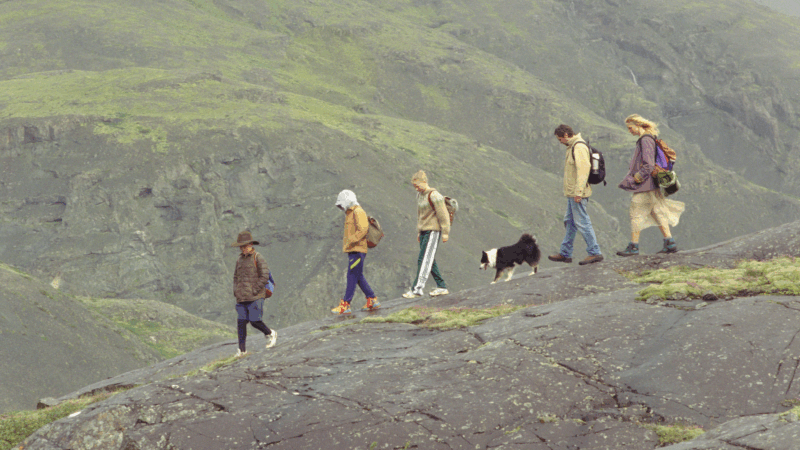
In this Icelandic drama, a couple quietly drifts apart
Icelandic director Hlynur Pálmason weaves scenes of quiet domestic life against the backdrop of an arresting landscape in his newest film.

After the Fall: How Olympic figure skaters soar after stumbling on the ice
Olympic figure skating is often seems to take athletes to the very edge of perfection, but even the greatest stumble and fall. How do they pull themselves together again on the biggest world stage? Toughness, poise and practice.
They’re cured of leprosy. Why do they still live in leprosy colonies?
Leprosy is one of the least contagious diseases around — and perhaps one of the most misunderstood. The colonies are relics of a not-too-distant past when those diagnosed with leprosy were exiled.
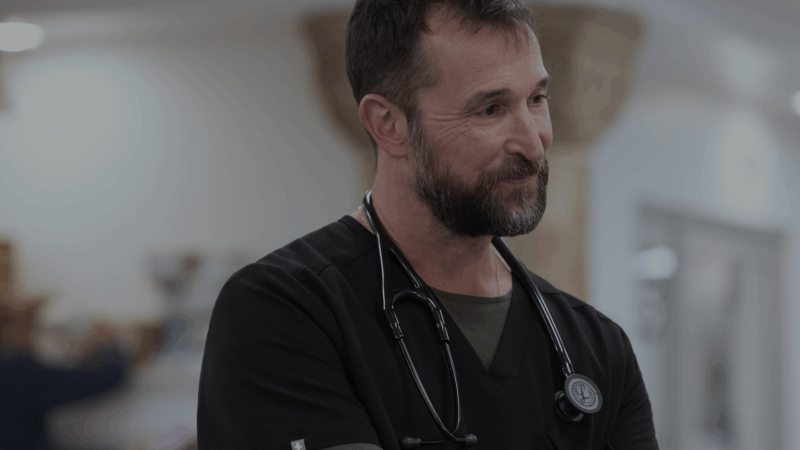
This season, ‘The Pitt’ is about what doesn’t happen in one day
The first season of The Pitt was about acute problems. The second is about chronic ones.

Lindsey Vonn is set to ski the Olympic downhill race with a torn ACL. How?
An ACL tear would keep almost any other athlete from competing -- but not Lindsey Vonn, the 41-year-old superstar skier who is determined to cap off an incredible comeback from retirement with one last shot at an Olympic medal.

Trump promised a crypto revolution. So why is bitcoin crashing?
Trump got elected promising to usher in a crypto revolution. More than a year later, bitcoin's price has come tumbling down. What happened?
