
Take a peek at Stephen Sondheim’s papers, now at the Library of Congress

When Mark Eden Horowitz, a senior music specialist at the Library of Congress, created a show-and-tell of the Library’s music collection for Broadway legend Stephen Sondheim back in May of 1993, he wasn’t expecting to prompt tears.
He’d filled a room with some of the Library’s millions of music-related items – ones he thought might strike a chord with the composer-lyricist widely credited with bringing sophistication and artistry to the American musical. They included manuscripts from Sondheim’s mentor and fellow lyricist Oscar Hammerstein II and his music teacher and fellow composer Milton Babbitt; scores by composers Béla Bartók, Aaron Copland, Johannes Brahms; items from West Side Story and other shows on which Sondheim had collaborated.
Each was a jewel of the Library’s collections, but there was one crown jewel.
“When I brought out Gershwin’s manuscript for Porgy and Bess, he cried,” remembers Horowitz.
Within weeks, Sondheim let Horowitz know he was bequeathing his papers to the Library of Congress. And the importance of protecting them came into sharp relief when a fire broke out in Sondheim’s home less than two years later. It started in Sondheim’s home office, where the papers were stored in cardboard boxes on wooden shelves.
“It’s the closest in my life I’ve ever come to seeing an actual miracle,” says Horowitz. “There’s no reason why these manuscripts should not have gone up in flames — paper in cardboard on wood, feet from a fire that melted CDs. It truly is miraculous.”
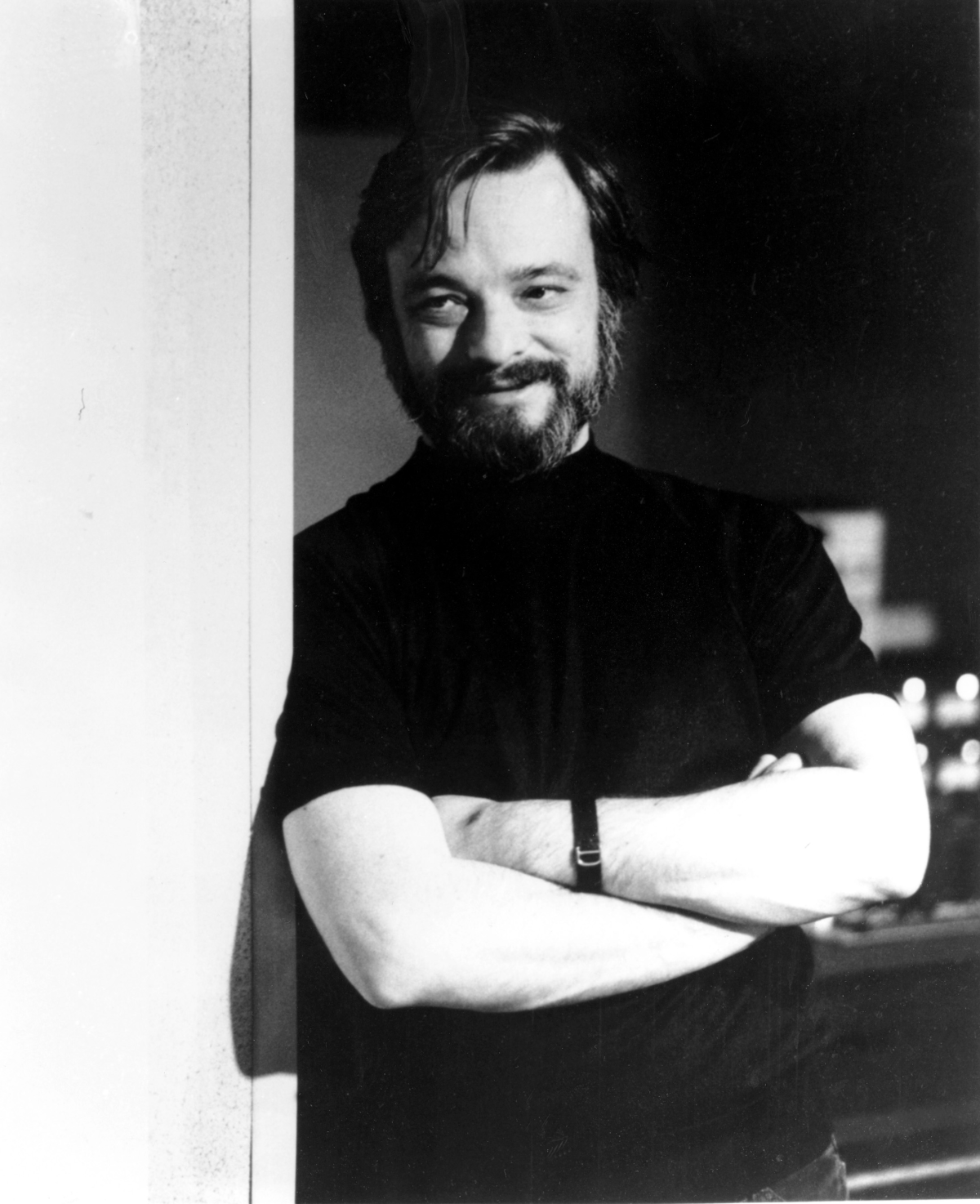
Now that the papers — more than 5,000 items including lyric and music sketches, scores, unpublished scripts, and all sorts of miscellany — are safe in the Library’s collection, Horowitz says he’s forever being surprised by them even though he knows Sondheim’s work well. He taped hours of interviews with the Broadway composer, which became a book called Sondheim on Music: Minor Details and Major Decisions. That subtitle is a riff on a lyric in a song from Sunday in the Park with George. Horowitz says that sifting through the collection has reminded him that Sondheim really meant another lyric in that song: “Art isn’t easy.”
“I’m appreciating in a way I never had before how much effort he put into everything,” he says. “Just page after page after page …”
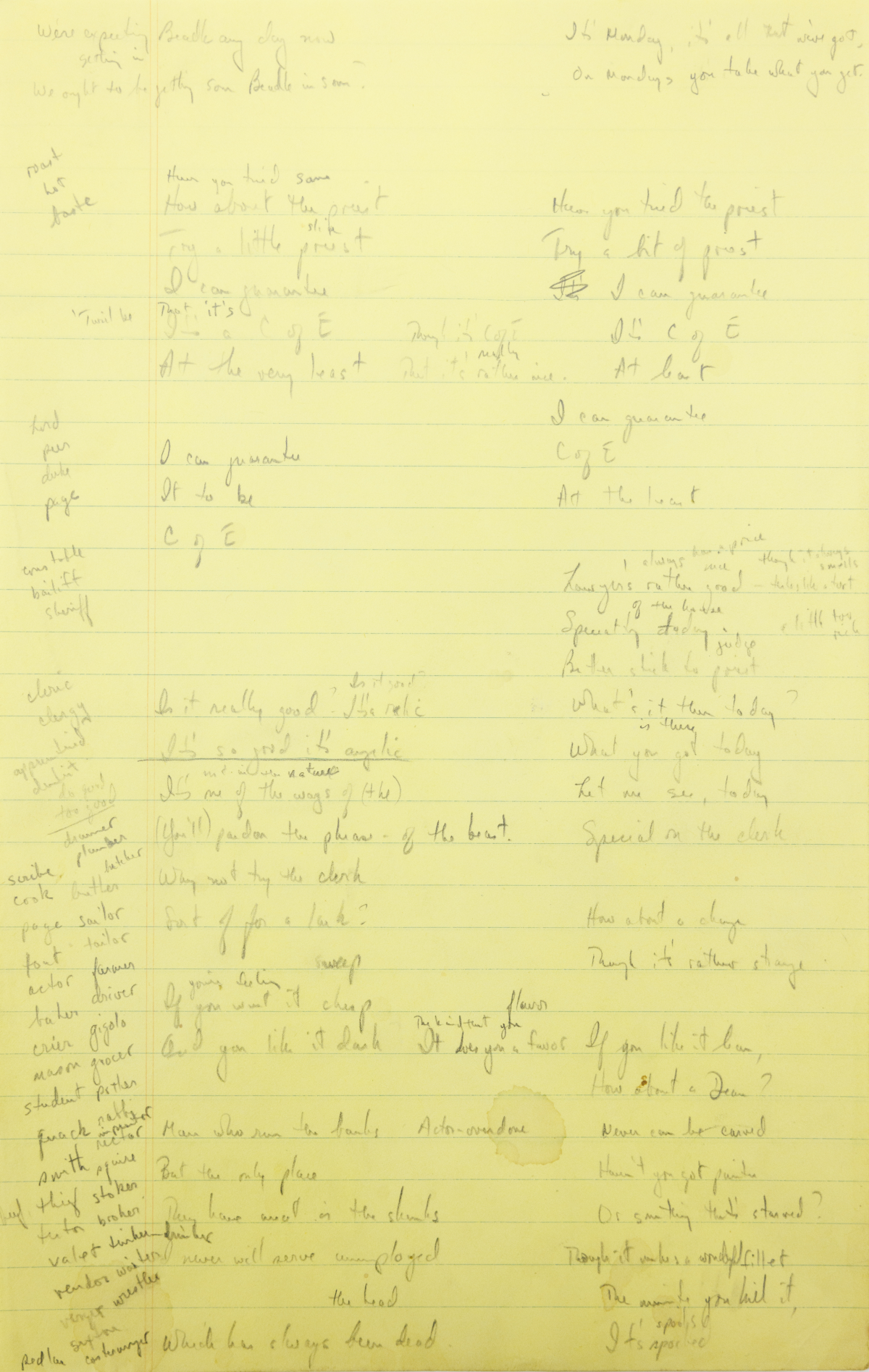
He pulls out a thick folder containing 40 pages of lyric sketches for a single song — “A Little Priest” from Sweeney Todd — his show about a barber who slits his customers’ throats and a baker who has the bright idea of baking them into meat pies.
It’s a song rife with rhyme and 31 variously tasty victims, but Horowitz points out that there are many, many more in the lyric sketches (scribe, cook, page, farmer, baker, driver, gigolo, mason, student) that didn’t make it into the song. “I added them up, and there were 158 that he’d considered.”
He thumbs through the sketches, scribbled in longhand using Blackwing pencils on 8 ½ x 14” lined, yellow legal pads, for one particular abandoned couplet – “everybody shaves except rabbis and riff-raff.”
“I just love the fact that he came up with that.”
Next, Horowitz pulls out sheet music where these lyric sketches are written more formally as actual lyrics. But this is still an interim step, before a final piano score of the song, followed by page after page of typescripts of lyrics.
“In theory the song is done, but he’s still working on it,” marvels Horowitz, “and modifying it and changing a single word or a phrase. It’s the perspiration behind the inspiration.”
“I mean here,” he says, pointing to a line handwritten on a typed lyric sheet, “he’s written in ‘we have some shepherd’s pie peppered with actual shepherd‘ — one of the great lines, but he’s inserting it. He never let them go until the show opened, or sometimes even after they opened. Always trying to perfect things.”
That’s a habit his papers suggest Sondheim developed at the start. There are tantalizing hints of his thought processes going all the way back to his high school musical, By George, which he wrote while attending George School, a Quaker boarding school in Bucks County, Pa., in 1946.
The program lists 21 songs, including “Meet You at the Donut,” “Puppy Love,” and “Wallflower’s Waltz.”
The papers also include a piano sonata he wrote in college, a song he sent unsolicited to Judy Garland, a personal birthday tune he penned as a premium for a PBS fundraiser, a treatment for Breakdown, a play, or maybe a TV show that he wrote with Larry Gelbart, his A Funny Thing Happened on the Way to the Forum collaborator, and lots of other miscellany including a “humming song.”
All of this will doubtless be grist for many a doctoral dissertation. As will a remarkable internal monologue — never spoken or sung — that he penned for Glynis Johns, the leading lady in A Little Night Music. It’s for the scene where she sings the most popular song Sondheim ever wrote: “Send in the Clowns” — two pages of stream of consciousness for the actress about what her character is thinking and feeling. One page is what she’s trying to communicate in the scene to her unhappily married longtime lover. The other is what she’s thinking to herself.
Here’s a bit of what she wants her lover to realize: “I’ll tell you why you’re here: You have an awkward feeling because you don’t know you’re trapped. You think you’ve made your bed and you have to lie in it. The hardest human thing to do is sever a relationship. I can’t fire my accountant. Also, you like to suffer which we all have a capacity to do.”
And this is what she’s thinking to herself: “It was good that we didn’t get married back then. I was too busy on other things, and you used to be a strong and willful man. Recklessness has its time and so has seriousness. You have finally been stricken by tremors of feeling above the navel!”
“Why didn’t he write that line in the song?” I wonder aloud. “Doesn’t sing well,” Horowitz laughs.
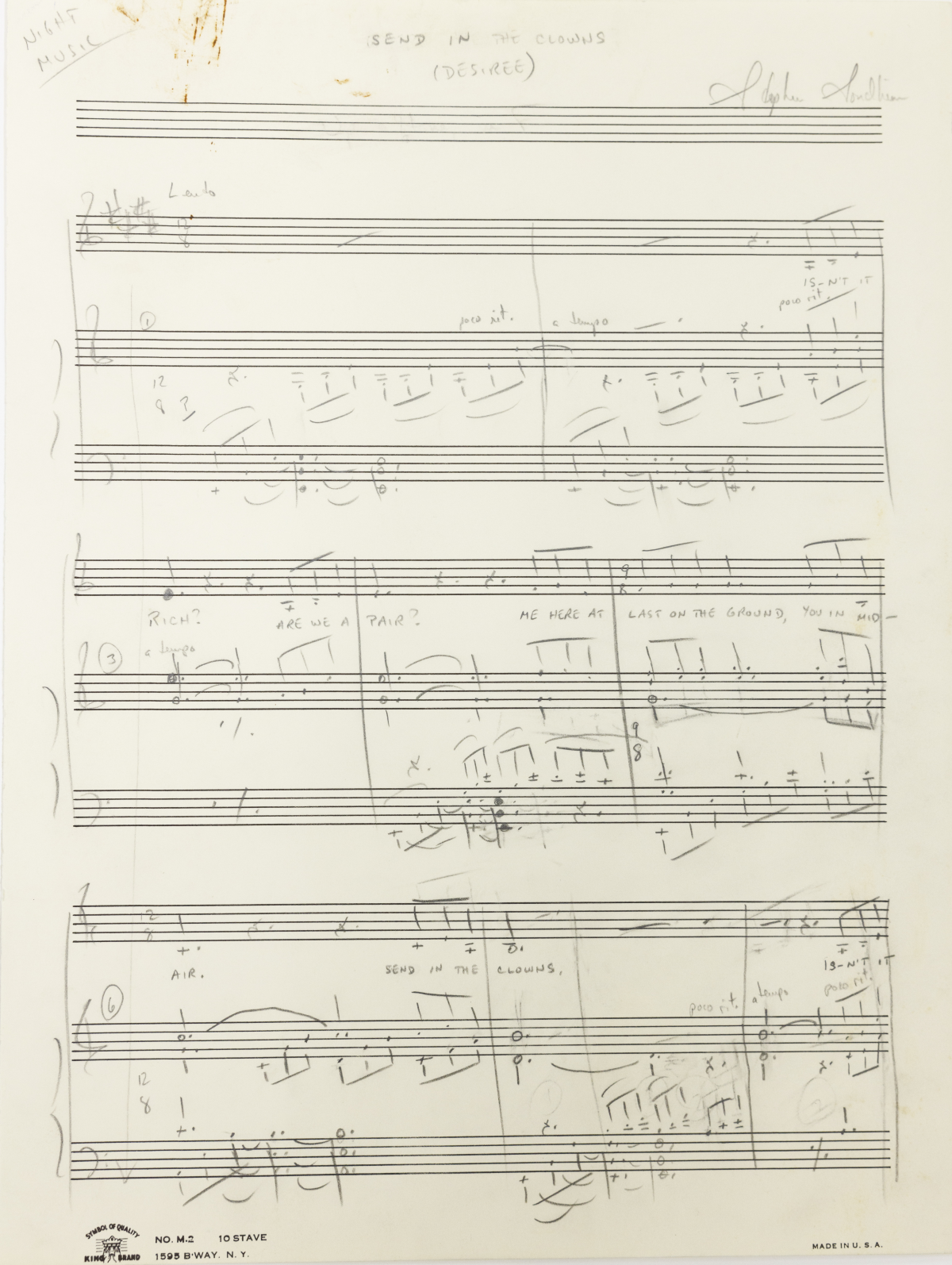
And the collection isn’t just rich in lyric sketches. “I don’t think I’ve ever seen a composer, even a classical composer, who does as much music sketching as he does,” Horowitz says as he walks to a piano to play a few examples. The ones he picks all have notes that pop out of a song’s key signature in ways that ought to sound odd, but that instead make the lyrics that sit atop them sound conversational.
Horowitz finds it comforting that Sondheim’s musings and music will now reside on Library of Congress shelves where they can be in a kind of symbiotic conversation with the nearby collections of George Gershwin, who inspired him, and Oscar Hammerstein who mentored him. Also with the collections of composers Sondheim inspired and mentored — say, Rent‘s creator Jonathan Larson, who kept “notes about conversations he had with Sondheim after Sondheim saw things he’d done.”
“I like to imagine them whispering to each other at night,” smiles Horowitz.
Whispering, no doubt, about the art of putting art together, bit by bit.
Iranian civilians are now fleeing the relentless bombing for neighboring Turkey
As the U.S. military broadens its strikes in Iran, traumatized Iranians are reaching the border with Turkey.

A split Senate votes against measure to constrain Trump’s authorities in Iran
Democrats in the Senate were facing an uphill climb Wednesday in their push to restrain President Trump's ability to wage war against Iran.
WATCH: How traffic dried up in the Strait of Hormuz since the Iran war began
The effective closure of the Strait of Hormuz is "about as wrong as things could go" for global oil markets. Iran achieved it not with a naval blockade, but with cheap drones.

As Mississippi waits to spend opioid settlement funds, children and families suffer
Mississippi will receive more than $400M to fight the opioid epidemic. So far, officials haven't directed it toward programs that support addiction recovery.
Alabama’s new state climatologist takes the reins
The controversial John Christy is retiring as Alabama’s state climatologist. Lee Ellenburg now assumes the role and is already making a few changes, including declaring that climate change is real and caused by humans.
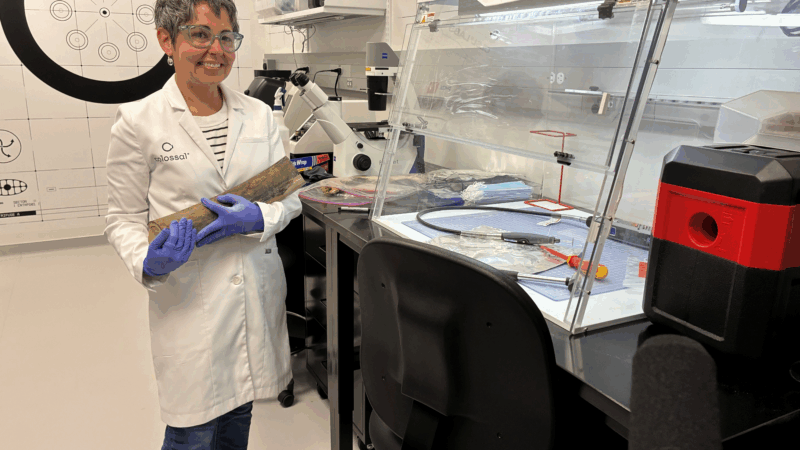
Colossal Biosciences breeds controversy while trying to revive mammoths
A Texas biotech company is trying to bring mammoths and other extinct creatures back to life. The science is as intriguing as the ethical questions are thorny.
