
Sweet redemption for Mikaela Shiffrin, who wins Olympic gold
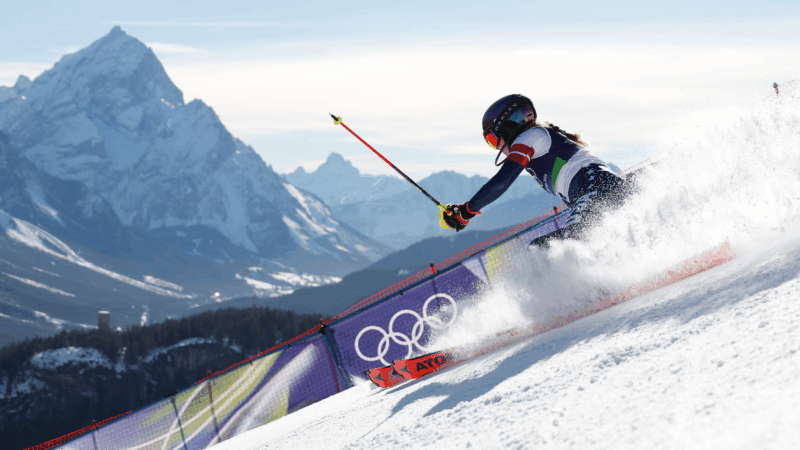
CORTINA D’AMPEZZO, Italy — In her final race of the 2026 Winter Games, skiing in the slalom, widely considered her best event, Alpine legend Mikaela Shiffrin finally did it, winning a gold medal on a shimmering cold, blue-sky day in the mountains above Cortina.
“I wanted to be free, I wanted to unleash,” Shiffrin said. “In the end, today, showing up – that was the thing I wanted most. More than the medal. Now, to also get to have a medal is unbelievable.”
Shiffrin seized her last shot, shattering an Olympic losing streak that had stretched over eight straight events, including two here and six at the Beijing Games in 2022. She carved out a lead of .82 seconds in her first run, telling reporters afterward that she felt like she’d pushed her line to the limit.
She then expanded her lead in second run building to 1.5 second margin securing gold.
“It felt very good, really good skiing. I was also a bit on the limit, there were probably three different times on the course where I thought, I could easily be pushed off the course right now,” Shiffrin said after her first run. “I felt like I nailed it with some question marks. I have big energy today.”
This medal moment builds on Shiffrin’s legendary status among Alpine skiers, it is her fourth Olympic medal.
She was already the winningest Alpine skier in history with 108 World Cup wins, along with a gold medal from the Sochi Olympics in 2014 and a gold and a silver from the Pyeongchang Games in 2018. Like other top U.S. athletes in these Games, she has spoken openly about the unique pressure and spotlight scrutiny of the Winter Games.
“Through a lot of discussions with my psychologist and my mom and my team, everything we said was that, despite pressure or nerves, I want to feel this skiing,” Shiffrin said on Wednesday.
When Shiffrin competed here at the Tofane Alpine Ski Center, organizers played dramatic music ahead of each of her runs, clearly signaling the outsized expectations she faced. Shiffrin has also battled severe injury, PTSD and what she has described as deep grief after the death of her father in 2020.
Speaking after her first race in Cortina, Shiffrin talked about working to finally find her comfort zone in these Games. “I didn’t quite find a comfort level that allows me to produce full speed,” Shiffrin said. “I’m going to have to learn what to do, what to adjust in the short time we have before the other [technical discipline] races.”
On Wednesday, she finally put the pieces together, closing her Olympics on the top spot of the podium.
As the risk of measles grows, why are parents so divided on vaccines?
In South Carolina, some parents embrace vaccines, others opt out. Why do people make such different choices? A mix of politics, distrust and misinformation is pushing neighbors apart.
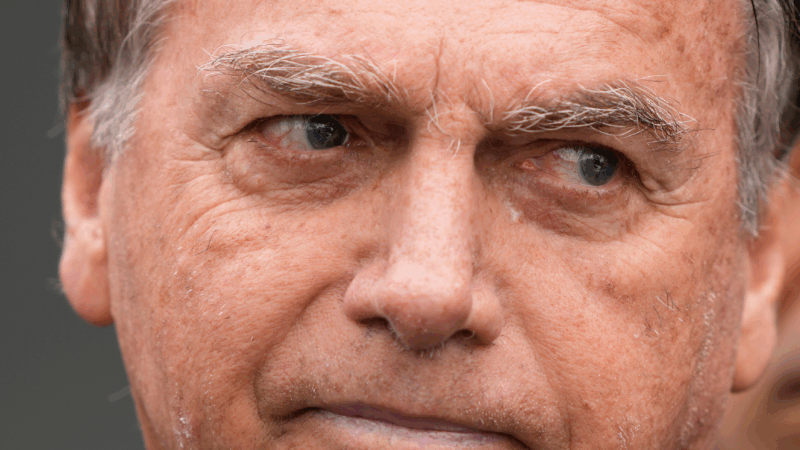
Brazil’s ex-President Bolsonaro is in intensive care with pneumonia, hospital says
One of Bolsonaro's doctor's described the former Brazilian president's medical condition as "serious."

Opinion: An ancient, sophisticated palate
Researchers looking at foodcrusts on the pottery shards of ancient humans say there's evidence of a wide variety of ingredients, indicating that they may have been experimenting with "recipes."
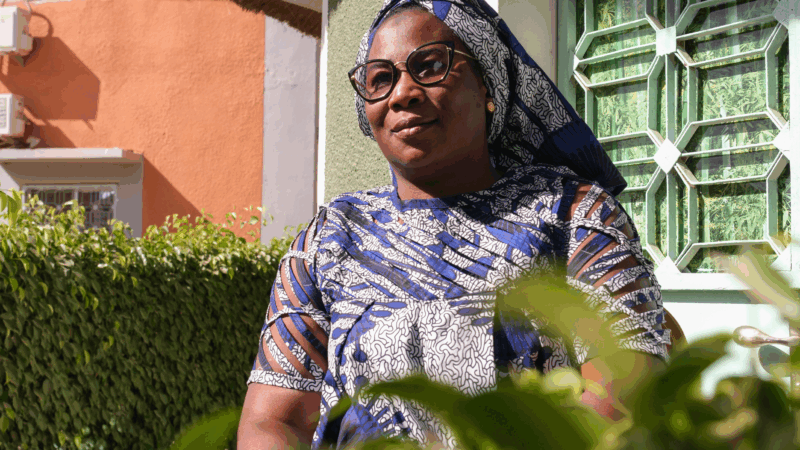
Why women have an especially tough time in Senegal’s prisons
Women charged with a crime in Senegal are at the mercy of a slow judicial process and prisons that may lack basic supplies. They also face stigma that robs them of familial and community support.
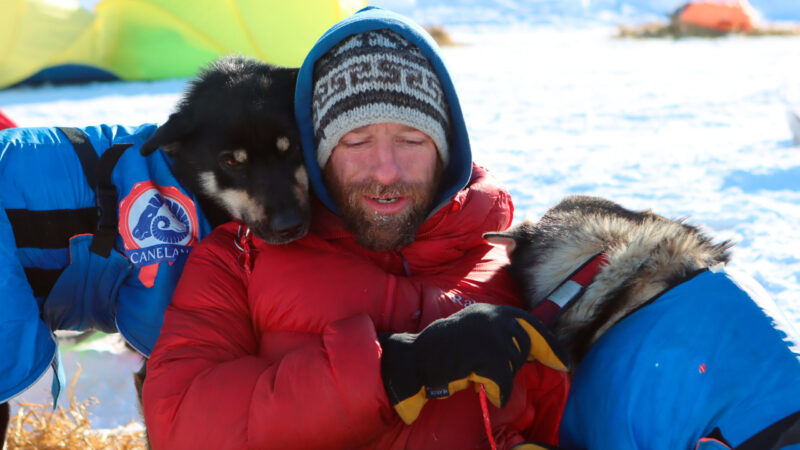
Musher from Alabama is going for back-to-back Iditarod wins
Riches and paid appearances haven’t followed Jessie Holmes since he won the world’s most famous sled dog race, the Iditarod, last year. He doesn't mind.

With boom in prediction markets, some lawmakers worry about how to police themselves
House and Senate ethics committees give no financial disclosure guidance on event contracts or prediction markets — unlike stock, cryptocurrency and bond trades.
