
Supreme Court rules against Trump in National Guard case
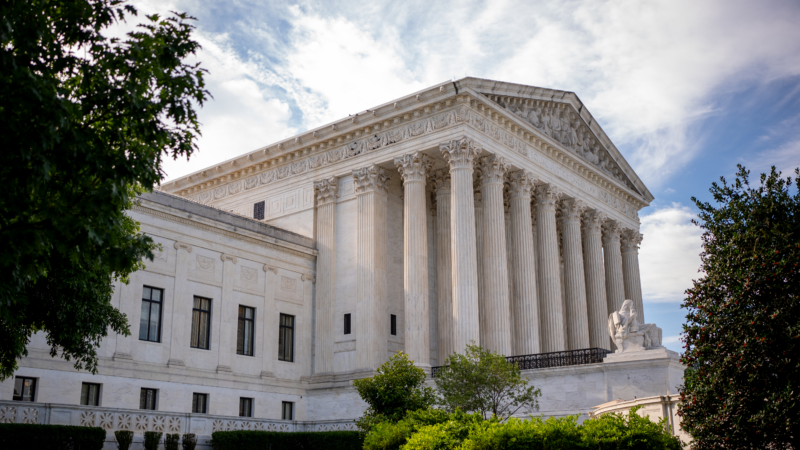
The U.S. Supreme Court ruled against President Trump on Tuesday, refusing to reinstate, for now, Trump’s ability to send National Guard troops into the state of Illinois over the objections of the governor.
The administration argues that it needs to federalize the National Guard in order to stop what Trump has said is unremitting violence against Immigration and Customs Enforcement agents at detention facilities in the Chicago area. But two lower courts ruled against Trump’s claim that the protests in the Chicago area constituted a “rebellion or danger of rebellion” against the United States government that the president has the right to put down.
The court’s action is one of only a handful of such “emergency docket” cases in which the conservative court has ruled against Trump since he began his second term as president almost a year ago.
“At this preliminary stage, the Government has failed to identify a source of authority that would allow the military to execute the laws in Illinois,” the majority wrote in its brief opinion. The court wrote that the president failed to explain why the situation in Illinois warranted an exception to the Posse Comitatus Act that limits the military’s ability to execute laws on U.S. soil.
In preliminarily rejecting the Trump administration’s arguments, the court majority accepted the fact-finding and views of both the trial court judge in the case, and the views of a three-judge appeals court panel composed of one Trump appointee, one George W. Bush appointee, and an Obama-appointed judge.
Presumably, the case could return to the court after the court of appeals hears full arguments in the case and renders a decision months from now.
But for all practical purposes, the President for now at least, cannot send in National Guard troops in Illinois without the governor’s permission. The White House did not immediately respond to a request for comment from NPR.
Justice Brett Kavanaugh wrote his own concurring opinion.
Dissenting from Monday’s unsigned opinion were Justices Samuel Alito and Clarence Thomas, who wrote that the court stepped beyond the bounds of its authority by opining on the underlying issue of the National Guard’s legal deployment and what Trump can use the military for, rather than the narrower question the administration asked it to stay.
“On top of all this, the Court fails to explain why the President’s inherent constitutional authority to protect federal officers and property is not sufficient to justify the use of National Guard members in the relevant area for precisely that purpose,” Alito wrote in the dissent, which Thomas joined.
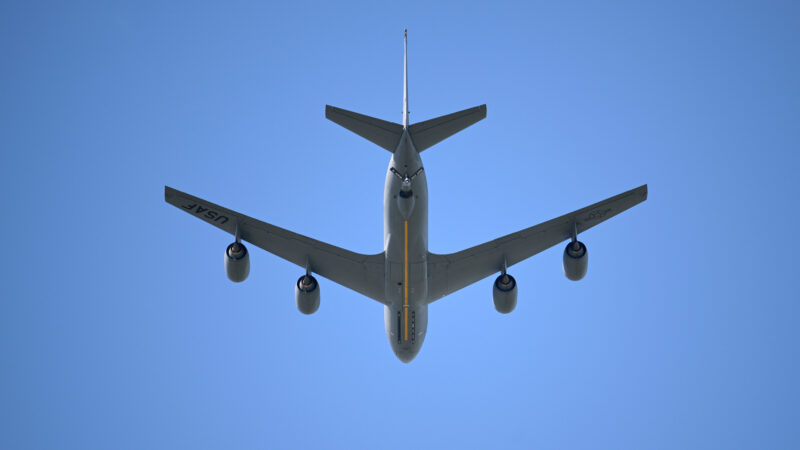
Crew of fatal US military crash included Alabama father recently deployed
The six U.S. service members who died in the crash of a U.S. military refueling aircraft included an Alabama father who had just been promoted and deployed. The U.S. government released the identities of the deceased service members Saturday.

Israeli soldiers fire on family car in occupied West Bank, killing 4
Israeli soldiers fired on a car carrying a family in the northern West Bank, killing four people including two children, the Palestinian Authority's Health Ministry said.
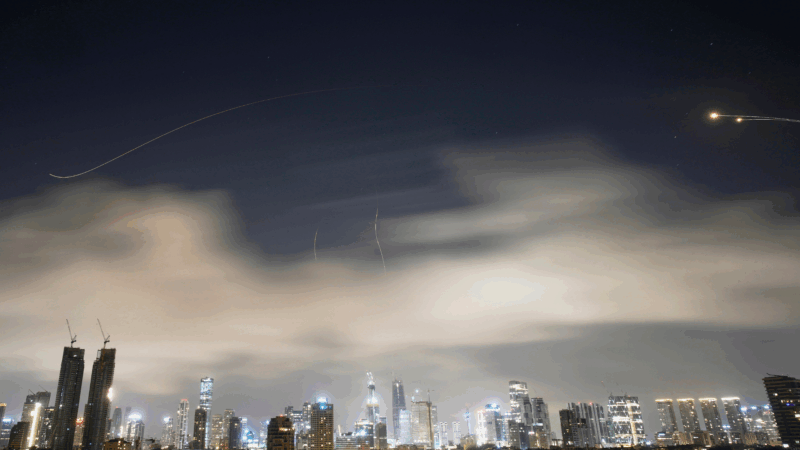
U.S. military names six killed in plane crash as Iran war enters third week
The conflict in the Middle East has entered a third week, with Israel announcing a barrage of new strikes on western Iran on Sunday, while the U.S. defense department released the names of six service members who died when their military refueling aircraft crashed.
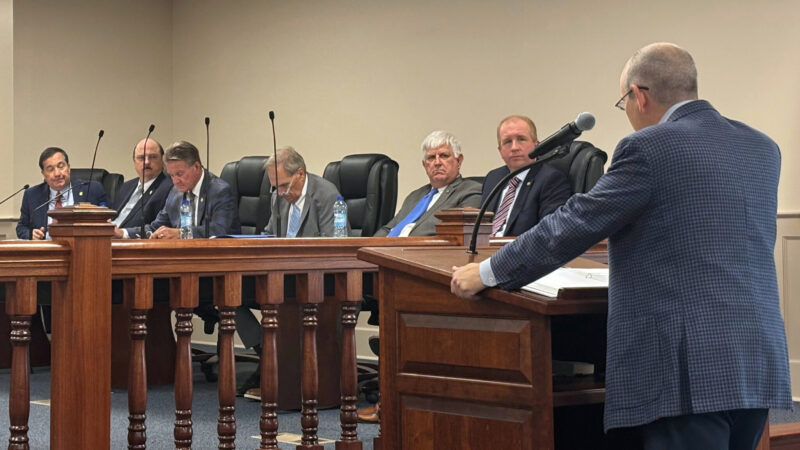
Alabama poised to drastically overhaul utility regulation. Will it lower electric bills?
The Alabama Senate unanimously voted to expand the public service commission, and create a Secretary of Energy to address rising electricity prices. A bill in the House would go even further, requiring rate case hearings and limiting utility profits.

Sunday Puzzle: BAD!
Ayesha Rascoe plays the puzzle with KCUR listener Justin Marciniak and Weekend Edition Puzzlemaster Will Shortz.
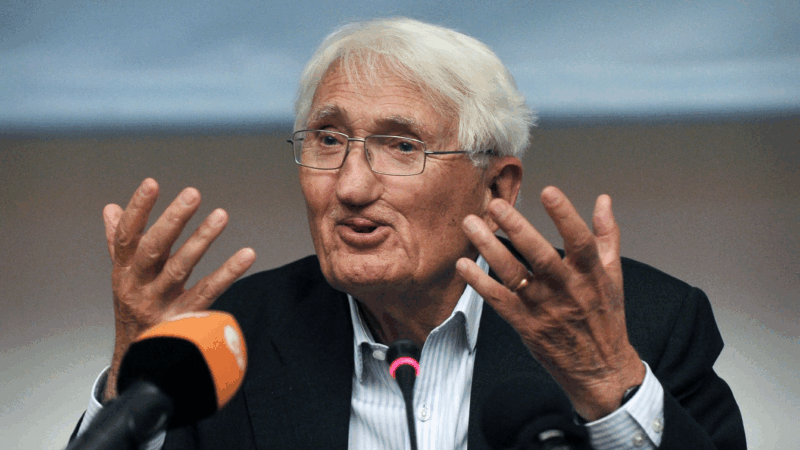
Acclaimed 20th century philosopher Jürgen Habermas dies at 96
Associated with the Frankfurt School, Habermas was a world-renowned thinker on modernity and democracy who helped shape German post-war and post-reunification political discourse.
