
Student loan borrowers in default may soon see their wages garnished

The Trump administration will resume garnishing wages from student loan borrowers in default in early 2026, the U.S. Education Department confirmed to NPR.
The move comes after a years-long pause in wage garnishment due to the pandemic.
“We expect the first notices to be sent to approximately 1,000 defaulted borrowers the week of January 7,” a department spokesperson told NPR. The spokesperson said wage garnishment notices are expected to increase on a monthly basis throughout the year.
A borrower is in default when they have not made loan payments in more than 270 days. Once that happens, the federal government can try to collect on the debt by seizing tax refunds and Social Security benefits, and also by ordering an employer to withhold up to 15% of a borrower’s pay. Borrowers should receive a 30-day notice from the Education Department before this wage garnishment begins.
Betsy Mayotte, the president and founder of The Institute of Student Loan Advisors, says even though borrowers have expected this, the timing is unfortunate.
“It will coincide with the increase in health care costs for many of these defaulted borrowers,” she said, referring to the premium increases for Affordable Care Act health insurance that kick in in 2026. “The two will almost certainly put significant economic strain on low and middle income borrowers.”
About 5.5 million borrowers are currently in default, according to a recent analysis of the latest federal student loan data published by the American Enterprise Institute (AEI), a public policy think tank.
Another 3.7 million are more than 270 days late on their payments and 2.7 million are in the early stages of delinquency.
“We’ve got about 12 million borrowers right now who are either delinquent on their loans or in default,” Preston Cooper, who studies student loan policy at AEI, told NPR.
That’s more than 1 in 4 federal student loan borrowers.
Cory Turner contributed to this story.
Bill making the Public Service Commission an appointed board is dead for the session
Usually when discussing legislative action, the focus is on what's moving forward. But plenty of bills in a legislature stall or even die. Leaders in the Alabama legislature say a bill involving the Public Service Commission is dead for the session. We get details on that from Todd Stacy, host of Capitol Journal on Alabama Public Television.
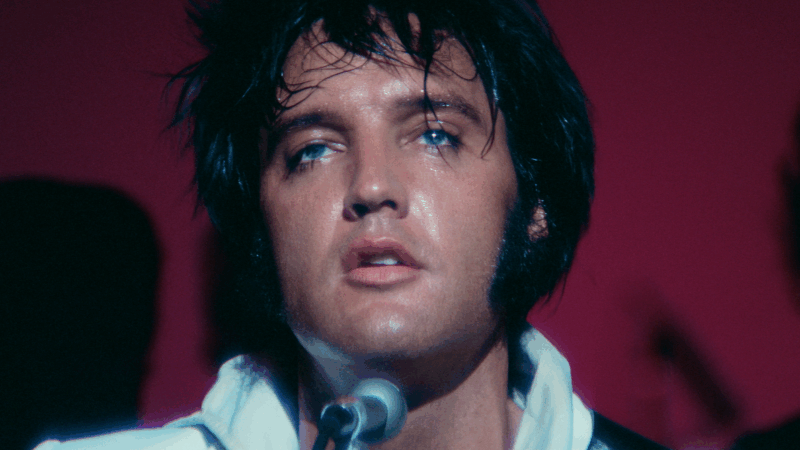
Baz Luhrmann will make you fall in love with Elvis Presley
The new movie is made up of footage originally shot in the early 1970s, which Luhrmann found in storage in a Kansas salt mine.
My doctor keeps focusing on my weight. What other health metrics matter more?
Our Real Talk with a Doc columnist explains how to push back if your doctor's obsessed with weight loss. And what other health metrics matter more instead.

Forget the State of the Union. What’s the state of your quiz score?
What's the state of your union, quiz-wise? Find out!

As the U.S. celebrates its 250th birthday, many Latinos question whether they belong
Many U.S.-born Latinos feel afraid and anxious amid the political rhetoric. Still, others wouldn't miss celebrating their country
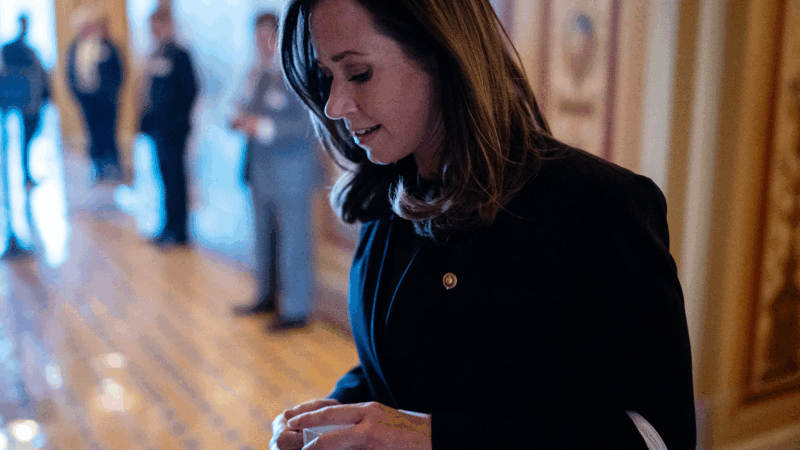
SNL mocked her as a ‘scary mom.’ In the Senate, Katie Britt is an emerging dealmaker
Sen. Katie Britt, Republican of Alabama, is a budding bipartisan dealmaker. Her latest assignment: helping negotiate changes to immigration enforcement tactics.
