
Southeast U.S. braces for heavy rains from a potential tropical storm
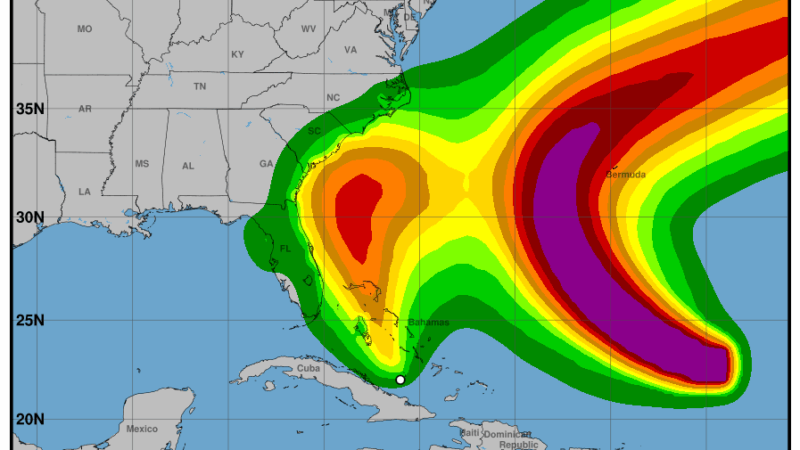
Parts of the southeastern United States have begun bracing for the impacts of a potential tropical storm, just one year after Hurricane Helene tore through the region leaving casualties and calamity in its wake.
South Carolina Gov. Henry McMaster put residents under a state of emergency in preparation for Tropical Depression 9, which is expected to make landfall early next week.
“While the storm’s arrival, speed, and intensity remain hard to predict, we do know that it will bring significant wind, heavy rainfall, and flooding across the ENTIRE state of South Carolina,” McMaster said in a statement Friday.
“We have seen this before. Now is the time to start paying attention to forecasts, updates, and alerts from official sources and begin making preparations,” he said.
The storm system is currently hovering over parts of the Caribbean, according to the National Hurricane Center (NHC), and is expected to begin affecting eastern Cuba, Jamaica, the Bahamas and Hispaniola — which includes the Dominican Republic and Haiti — through the weekend as it intensifies into a tropical storm.

By the time it lands stateside, the agency warned, it could have strengthened considerably more.
“There is a significant threat of heavy rainfall early next week from coastal Georgia through the Carolinas and into the southern Mid-Atlantic states, which could cause flash, urban, and river flooding,” the NHC said in a Saturday morning update.
The storm could be “at or near hurricane intensity when it approaches the southeast,” the agency said, adding that it was too soon to specify where it would land and how hard.
The southeastern United States has thus far been spared the brunt of the year’s Atlantic hurricane season.
The region had been repeatedly battered by years of intense storm seasons, including last year’s devastating Hurricane Helene, which was the second severe hurricane of the year and laid to waste entire towns as it ripped across the coast.
Hurricanes Gabrielle and Humberto have formed over the ocean but are not considered threats to the United States.

Hurricanes have become more severe over the years, as climate change make storms stronger and more frequent. Hotter ocean temperatures breed bigger, more intense storms, which in turn can cause more severe flooding, infrastructure damage and loss of life.
Hurricane Katrina in 2005, which savaged New Orleans and much of the Gulf region, led to a push to better understand how and why these storms occur, and what agencies could do to better prepare.

Russian strike on Kyiv region kills 4 and wounds 15, with peace talks stalled
The strikes comes after the United States paused ceasefire talks between Russia and Ukraine due to the war with Iran.
As the risk of measles grows, why are parents so divided on vaccines?
In South Carolina, some parents embrace vaccines, others opt out. Why do people make such different choices? A mix of politics, distrust and misinformation is pushing neighbors apart.
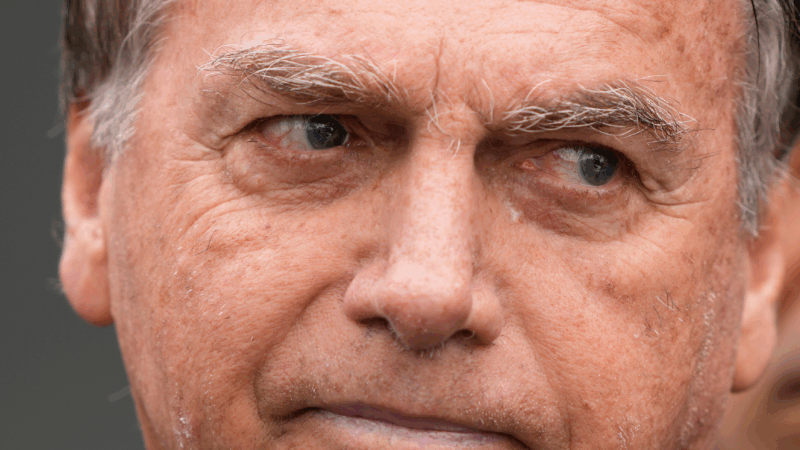
Brazil’s ex-President Bolsonaro is in intensive care with pneumonia, hospital says
One of Bolsonaro's doctor's described the former Brazilian president's medical condition as "serious."

Opinion: An ancient, sophisticated palate
Researchers looking at foodcrusts on the pottery shards of ancient humans say there's evidence of a wide variety of ingredients, indicating that they may have been experimenting with "recipes."
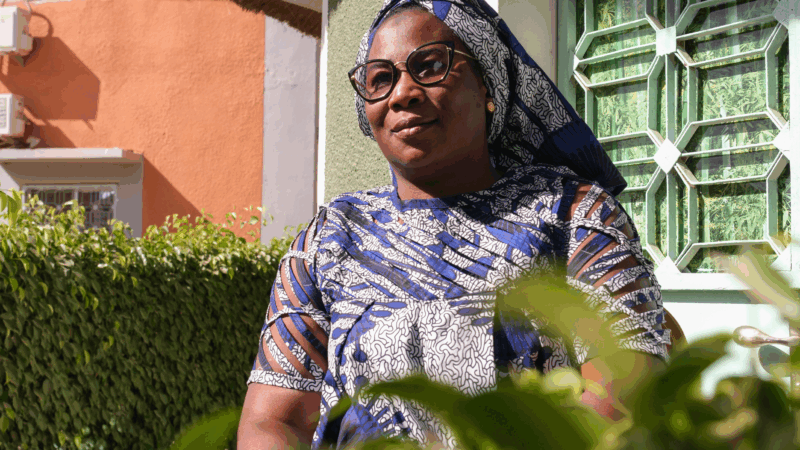
Why women have an especially tough time in Senegal’s prisons
Women charged with a crime in Senegal are at the mercy of a slow judicial process and prisons that may lack basic supplies. They also face stigma that robs them of familial and community support.
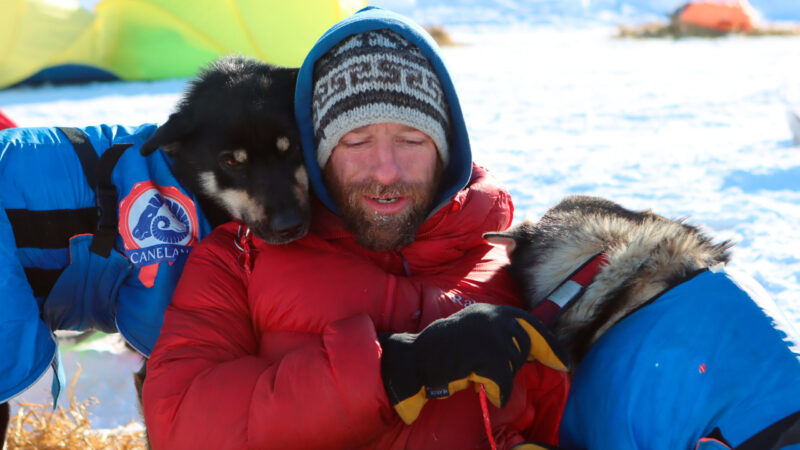
Musher from Alabama is going for back-to-back Iditarod wins
Riches and paid appearances haven’t followed Jessie Holmes since he won the world’s most famous sled dog race, the Iditarod, last year. He doesn't mind.
