
Senate committee details failures by Secret Service in preventing Trump shooting

A Senate committee report released Sunday blames the U.S. Secret Service for a “cascade of preventable failures” that led up to the assassination attempt against then-presidential candidate Donald Trump during a rally in Butler, Pa., last summer.
Trump was injured in the shooting when a bullet whizzed past his head, grazing his ear. Two attendees were wounded, and rally-goer and former fire chief Corey Comperatore was killed.
A Secret Service sniper shot and killed the perpetrator, 20-year-old Thomas Matthew Crooks of Bethel Park, Pa.
In its report, the Senate Homeland Security and Governmental Affairs Committee said the Secret Service’s “lack of structured communication was likely the greatest contributor to the failures” on the day of the rally. The report was released by the committee’s chairman, Sen. Rand Paul, R-Ky.
For instance, the Secret Service security room agent, who is responsible for collecting and disseminating information, learned about a suspicious person with a rangefinder from a counterpart in the Pennsylvania State Police roughly 25 minutes before the shooting. That agent relayed the report to a fellow Secret Service agent in the room, but the information did not go out over the radio or make it to Trump’s security detail in time for them to prevent him from taking the stage.
There were communication gaps both within the Secret Service hierarchy, and also among the agency and the state and federal law enforcement agencies on scene, the committee said.
There were organizational mistakes, too. The committee noted that one of the Secret Service countersniper teams protecting Trump at the Butler rally had an obstructed view of the roof of the nearby American Glass Research building where Crooks was located.
The report, released one year to the day after the shooting, also found that the Secret Service had denied some resources to Trump’s detail during the 2024 presidential election and said former Secret Service Director Kimberly Cheatle had falsely testified to Congress when she said no requests were denied for the Butler rally.
In a statement on Sunday, Secret Service Director Sean Curran said the agency “took a serious look at our operations” following last year’s shooting and “implemented substantive reforms to address the failures that occurred that day.”
The agency announced last week that it had put in place 21 of 46 recommendations made by congressional oversight bodies, including streamlining communication procedures and clarifying the responsibilities of advance teams.
The Secret Service also said it had disciplined six employees in relation to the Butler shooting, with suspensions ranging from 10 to 42 days without pay. Still, the committee said in its report that “not a single person has been fired.”
Curran, who was one of the agents who surrounded Trump as shots were fired in Butler, added in his statement that the Secret Service will “continue to work cooperatively with the committee as we move forward in our mission.”
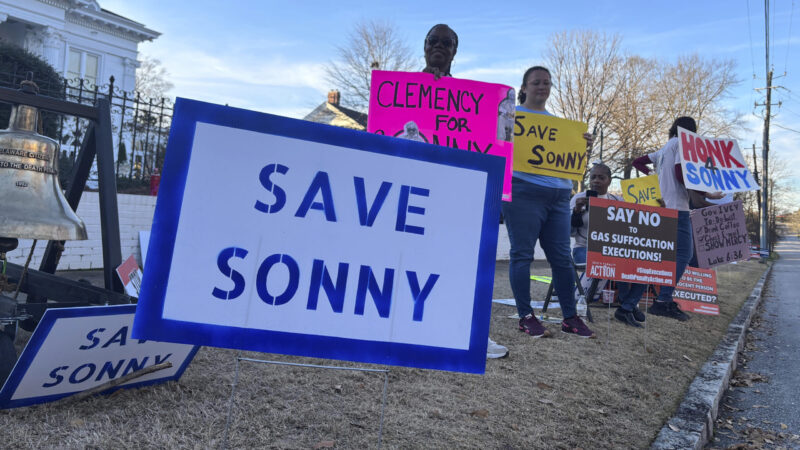
Alabama man facing execution for deadly robbery asks for clemency as he didn’t kill victim
Charles “Sonny” Burton is scheduled to be executed March 12 for his role in a 1991 robbery in which a man was fatally shot. His supporters and attorney are asking the governor for clemency, arguing that his life should be spared because Burton didn’t fire the gun or witness the killing.
One week into the Iran war, the fallout is global
The war is no longer just about the U.S., Israel and Iran. More countries are getting caught in the political crossfire or being drawn into the fighting themselves.
Iran’s president defies U.S. demands while apologizing for strikes on neighbors
President Masoud Pezeshkian said Saturday that a demand by the U.S. for an unconditional surrender is a "dream that they should take to their grave." He also apologized for Iran's attacks on regional countries.
What the Trump administration says about why it went to war with Iran
The Trump administration says it is "laser focused" and mission driven, but the messaging has been varied. The range of cited motivations for striking Iran now are sometimes at odds with each other.
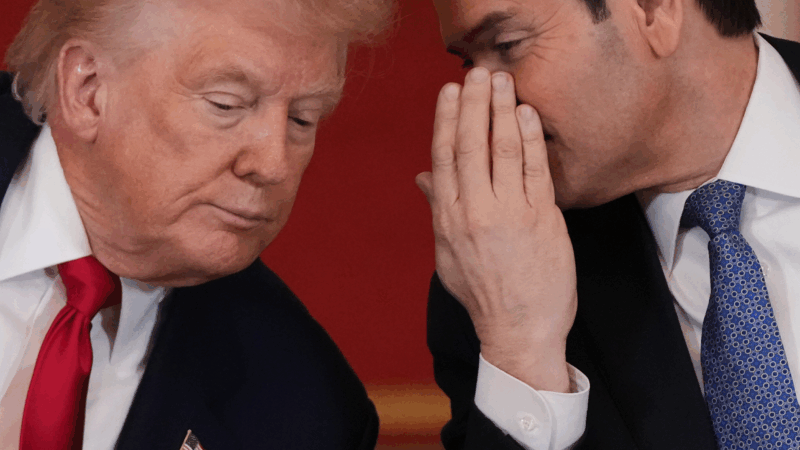
Trump looks to turn attention to Western Hemisphere at Americas summit
President Trump is set to gather with Latin American leaders on Saturday at his Miami-area golf club as his administration looks to turn attention to the Western Hemisphere, at least for a moment.
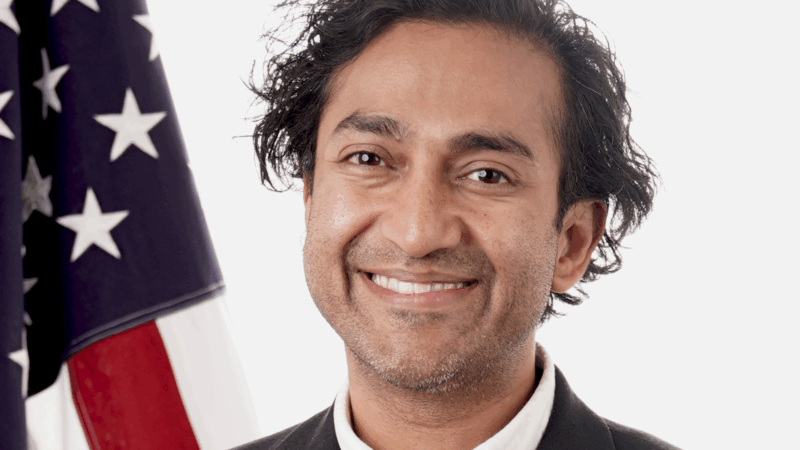
Trump administration’s embattled FDA vaccine chief is leaving for the second time
The FDA's controversial vaccine chief, Dr. Vinay Prasad, is leaving the agency. It's the second time he has abruptly departed following decisions involving the review of vaccinations and specialty drugs.
