
Scientists say they have discovered 20 new species deep in the Pacific Ocean
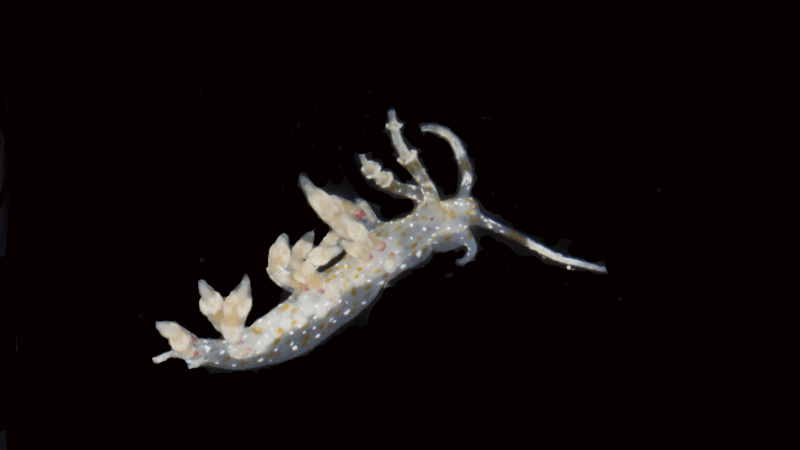
Scientists believe they have discovered at least 20 new species in a deep part of the Pacific Ocean.
The discoveries were found after researchers from the California Academy of Sciences retrieved 13 reef monitoring devices that had been placed in deep coral reefs in Guam, which had been collecting data since 2018. The devices, known as autonomous reef monitoring structures or ARMS, were placed up to 330 feet below the surface, an area of the ocean that receives little light.
Over two weeks in November, scientists retrieved 2,000 specimens, finding 100 species in the region for the first time. Luiz Rocha, California Academy of Sciences Ichthyology curator, told NPR after more analysis is completed, scientists expect to discover more than 20 new species. Rocha was also part of the diving exhibition that placed and retrieved the devices.
“It’s probably going to be higher than that because one of the things we do is we confirm everything with genetics. So we sequence the DNA of the species before we even really make absolutely sure that they’re new,” Rocha said. “And during that process sometimes what happens is what we thought was not a new species ends up being a new species because the genetics is different.“
He estimates that some of the potential new species could include crabs, sponges, ascidians or sea squirts, as well as new gorgonians, a type of coral.
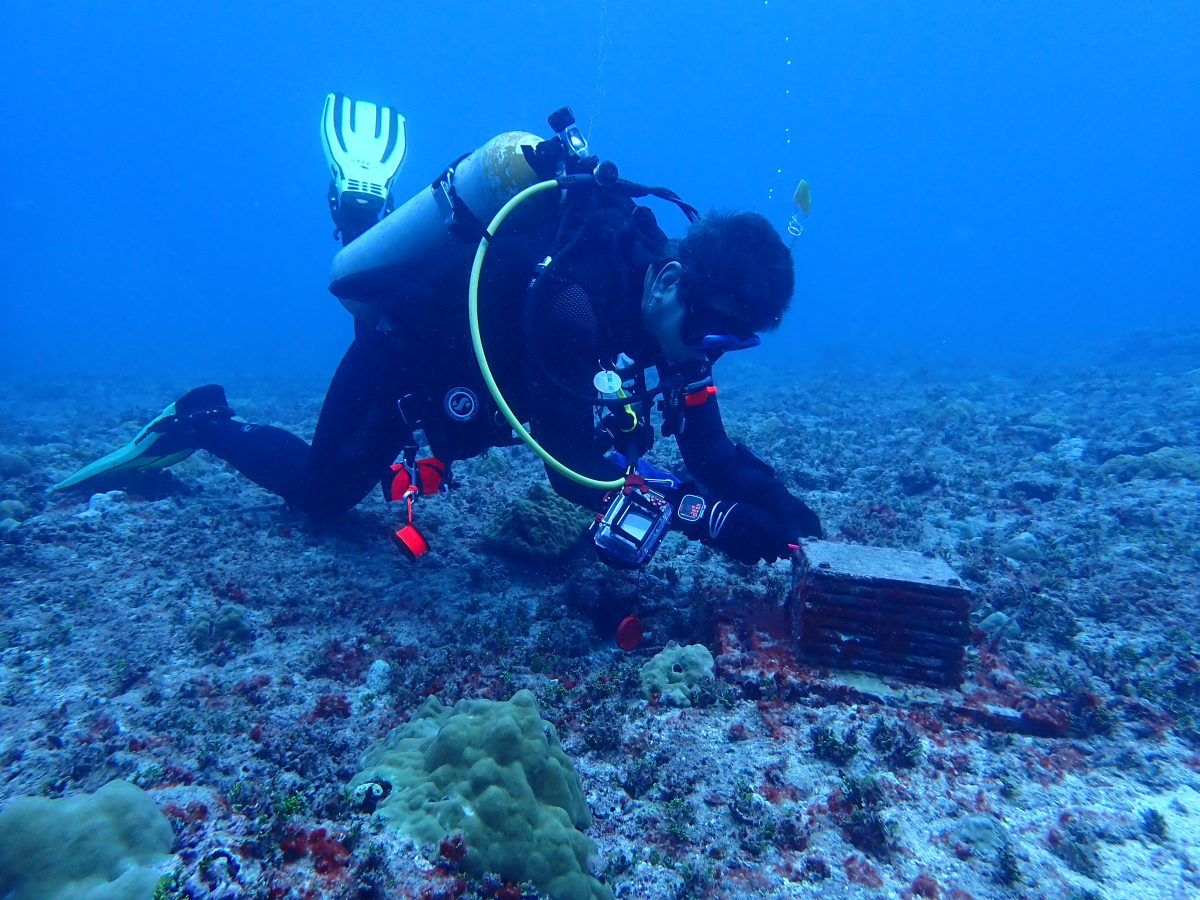
Deep coral reefs live in an area of an ocean, nicknamed the “twilight zone,” which receives little sunlight. Known as the mesopelagic zone, it is a difficult area for some scientists to reach because of pressure and requires specialized diving equipment. Rocha’s team studied the “upper twilight zone,” which sits at 180-330 feet below the surface.
Finding new species in that part of the ocean was not a surprise for Rocha, who said he and his team were expecting to make new discoveries. But Rocha said he was surprised to see a hermit crab, which usually make their homes in abandoned snail shells, attached to a clam.
“When they first showed me the picture of it, I’m like, ‘What, wait, what is that?’ I couldn’t even tell what animal it was. And then I realized, oh, it’s a hermit crab, but it’s using a clamshell,” he said. “The species has a lot of adaptations that allows it to do that, and it was really cool and interesting.“
Rocha and his team have also started a two-year expedition to retrieve 76 more deep reef monitoring devices across the Pacific Ocean, including in Palau and French Polynesia.

Although studying deep coral reefs may be difficult and challenging, Rocha said it’s crucial to learn more about the reefs and their habitat.
“They should be protected and should have importance because they are home to hundreds of thousands of different species and they should have as much right to exist as we do,” he said.
Mariah Carey, coffee makers and other highlights from the Olympic opening ceremony
NPR reporters at the Milan opening ceremony layered up and took notes.

Trump’s harsh immigration tactics are taking a political hit
President Trump's popularity on one of his political strengths is in jeopardy.

A drop in CDC health alerts leaves doctors ‘flying blind’
Doctors and public health officials are concerned about the drop in health alerts from the Centers for Disease Control and Prevention since President Trump returned for a second term.
Photos: Highlights from the Winter Olympics opening ceremony
Athletes from around the world attended the 2026 Winter Olympics opening ceremony in Milan.
Alabama sets execution for man in auto parts store customer’s death
Gov. Kay Ivey on Thursday set a March 12 execution using nitrogen gas for Charles “Sonny” Burton. Burton was convicted as an accomplice in the shooting death of Doug Battle, a customer who was killed during an 1991 robbery of an auto parts store in Talladega.
Trump posts racist meme of the Obamas — then deletes it
Trump's racist post came at the end of a minute-long video promoting conspiracy theories about the 2020 election.
