
Scientists say they have discovered 20 new species deep in the Pacific Ocean
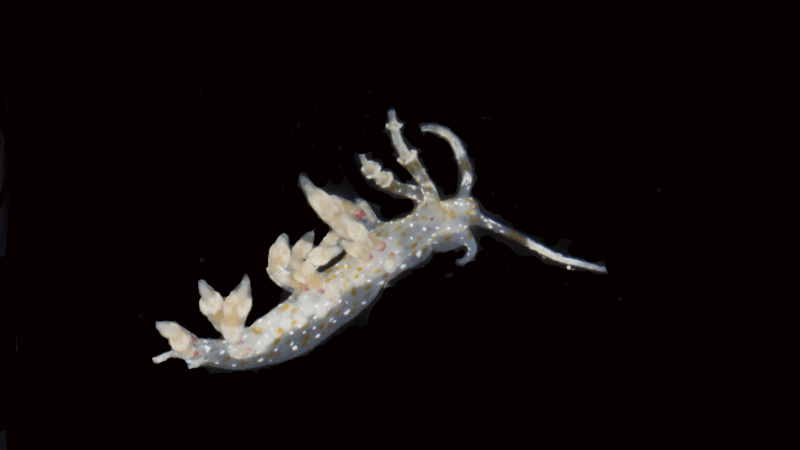
Scientists believe they have discovered at least 20 new species in a deep part of the Pacific Ocean.
The discoveries were found after researchers from the California Academy of Sciences retrieved 13 reef monitoring devices that had been placed in deep coral reefs in Guam, which had been collecting data since 2018. The devices, known as autonomous reef monitoring structures or ARMS, were placed up to 330 feet below the surface, an area of the ocean that receives little light.
Over two weeks in November, scientists retrieved 2,000 specimens, finding 100 species in the region for the first time. Luiz Rocha, California Academy of Sciences Ichthyology curator, told NPR after more analysis is completed, scientists expect to discover more than 20 new species. Rocha was also part of the diving exhibition that placed and retrieved the devices.
“It’s probably going to be higher than that because one of the things we do is we confirm everything with genetics. So we sequence the DNA of the species before we even really make absolutely sure that they’re new,” Rocha said. “And during that process sometimes what happens is what we thought was not a new species ends up being a new species because the genetics is different.“
He estimates that some of the potential new species could include crabs, sponges, ascidians or sea squirts, as well as new gorgonians, a type of coral.
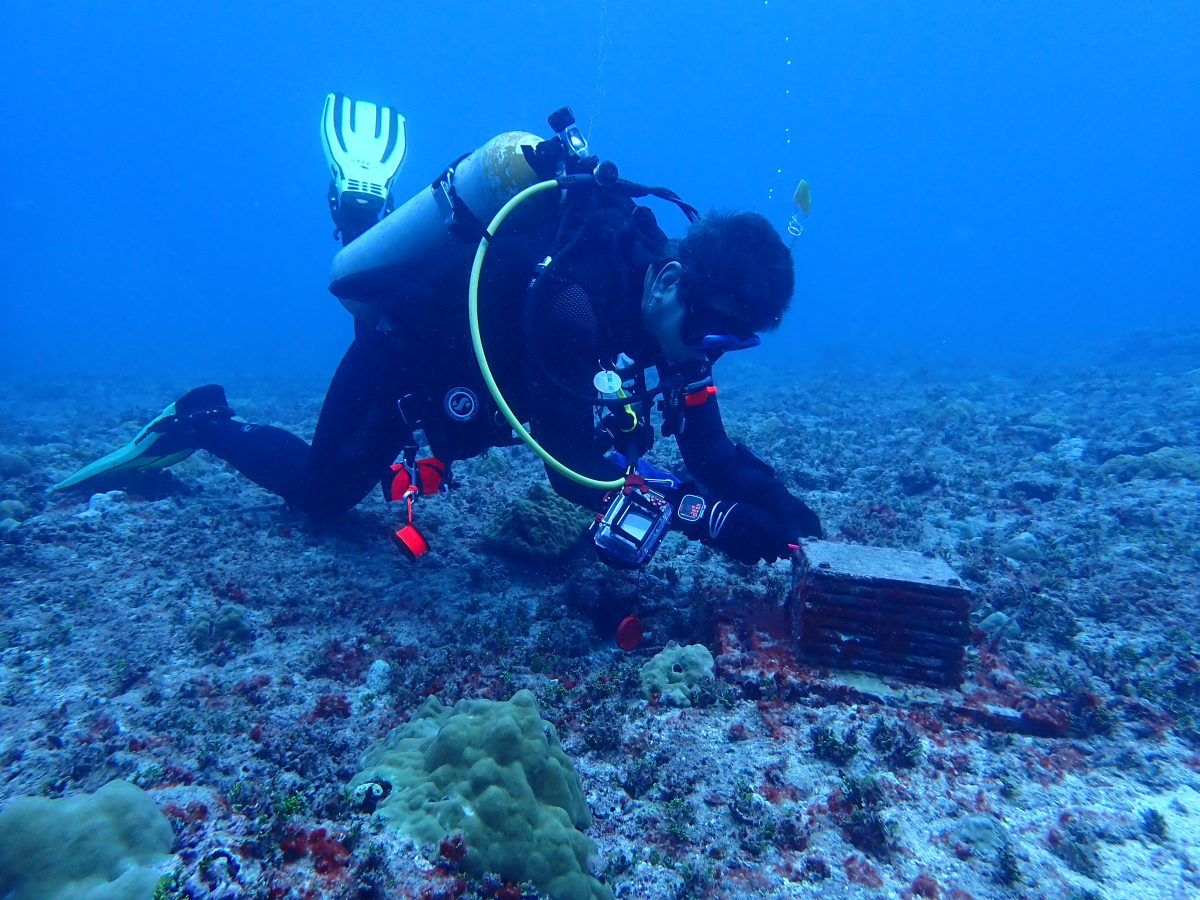
Deep coral reefs live in an area of an ocean, nicknamed the “twilight zone,” which receives little sunlight. Known as the mesopelagic zone, it is a difficult area for some scientists to reach because of pressure and requires specialized diving equipment. Rocha’s team studied the “upper twilight zone,” which sits at 180-330 feet below the surface.
Finding new species in that part of the ocean was not a surprise for Rocha, who said he and his team were expecting to make new discoveries. But Rocha said he was surprised to see a hermit crab, which usually make their homes in abandoned snail shells, attached to a clam.
“When they first showed me the picture of it, I’m like, ‘What, wait, what is that?’ I couldn’t even tell what animal it was. And then I realized, oh, it’s a hermit crab, but it’s using a clamshell,” he said. “The species has a lot of adaptations that allows it to do that, and it was really cool and interesting.“
Rocha and his team have also started a two-year expedition to retrieve 76 more deep reef monitoring devices across the Pacific Ocean, including in Palau and French Polynesia.

Although studying deep coral reefs may be difficult and challenging, Rocha said it’s crucial to learn more about the reefs and their habitat.
“They should be protected and should have importance because they are home to hundreds of thousands of different species and they should have as much right to exist as we do,” he said.
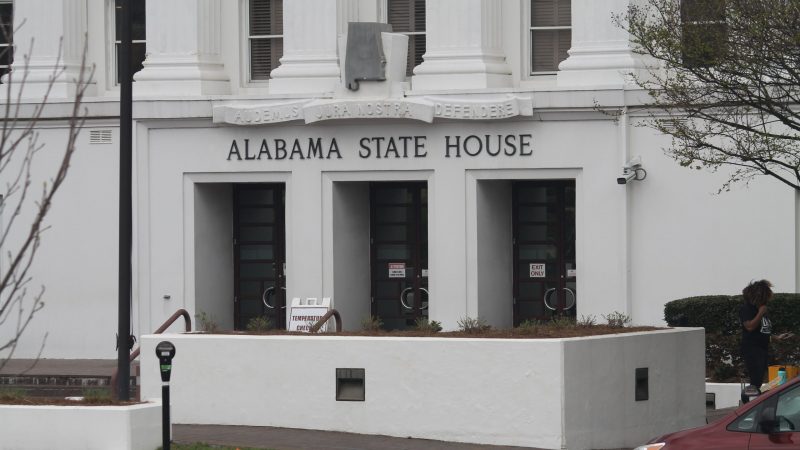
Bill making the Public Service Commission an appointed board is dead for the session
Usually when discussing legislative action, the focus is on what's moving forward. But plenty of bills in a legislature stall or even die. Leaders in the Alabama legislature say a bill involving the Public Service Commission is dead for the session. We get details on that from Todd Stacy, host of Capitol Journal on Alabama Public Television.
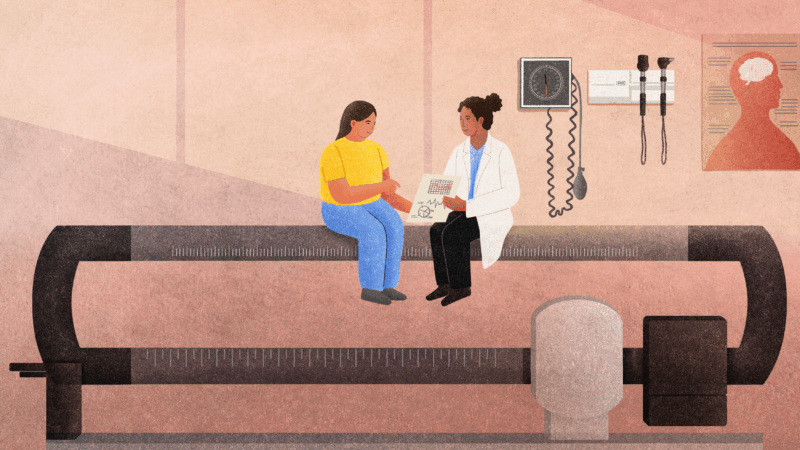
My doctor keeps focusing on my weight. What other health metrics matter more?
Our Real Talk with a Doc columnist explains how to push back if your doctor's obsessed with weight loss. And what other health metrics matter more instead.
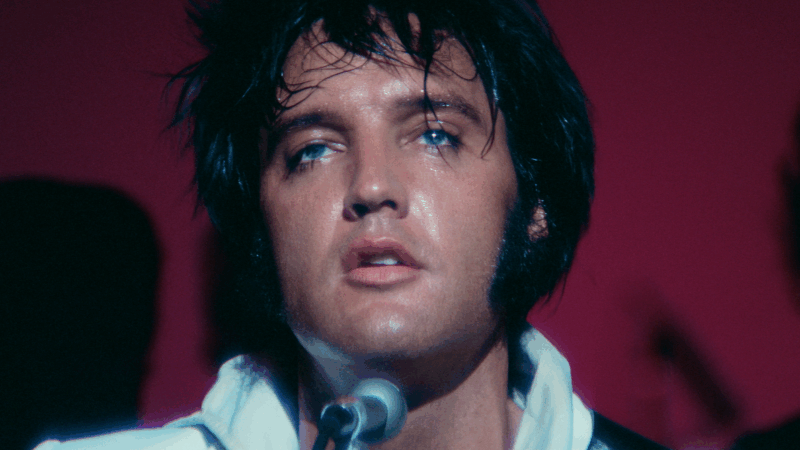
Baz Luhrmann will make you fall in love with Elvis Presley
The new movie is made up of footage originally shot in the early 1970s, which Luhrmann found in storage in a Kansas salt mine.
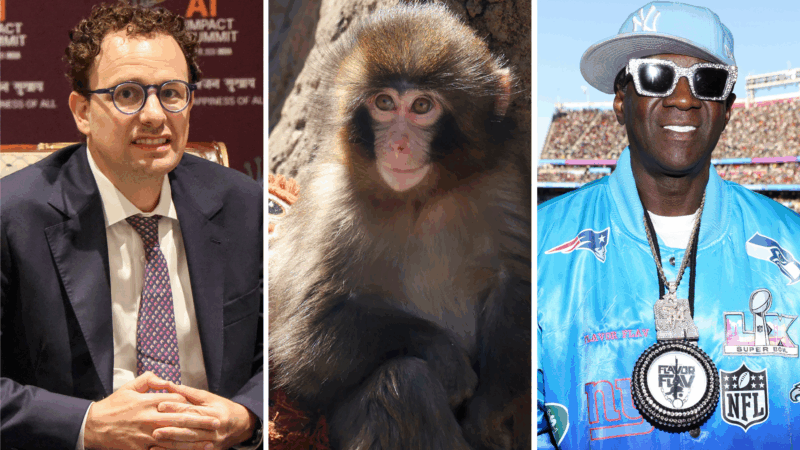
Forget the State of the Union. What’s the state of your quiz score?
What's the state of your union, quiz-wise? Find out!

A team of midlife cheerleaders in Ukraine refuses to let war defeat them
Ukrainian women in their 50s and 60s say they've embraced cheerleading as a way to cope with the extreme stress and anxiety of four years of Russia's full-scale invasion.
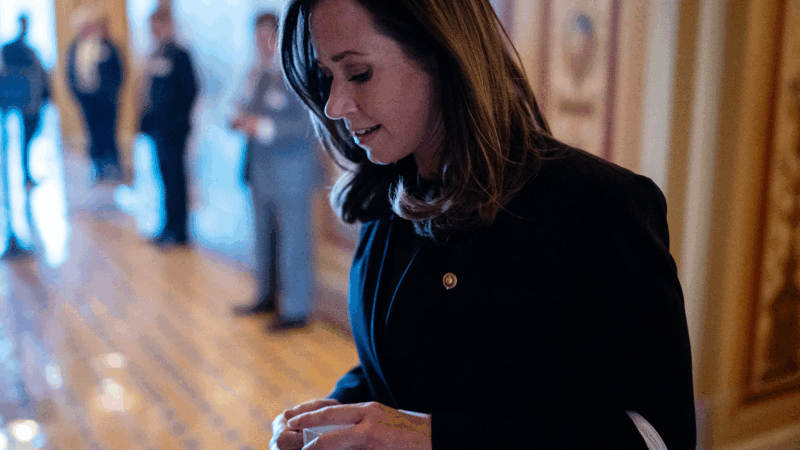
SNL mocked her as a ‘scary mom.’ In the Senate, Katie Britt is an emerging dealmaker
Sen. Katie Britt, Republican of Alabama, is a budding bipartisan dealmaker. Her latest assignment: helping negotiate changes to immigration enforcement tactics.
