
Russia’s hybrid warfare rattles Poland and NATO
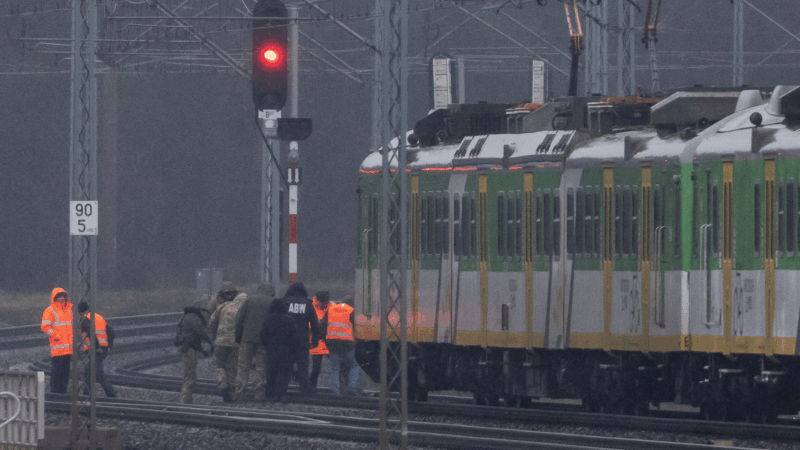
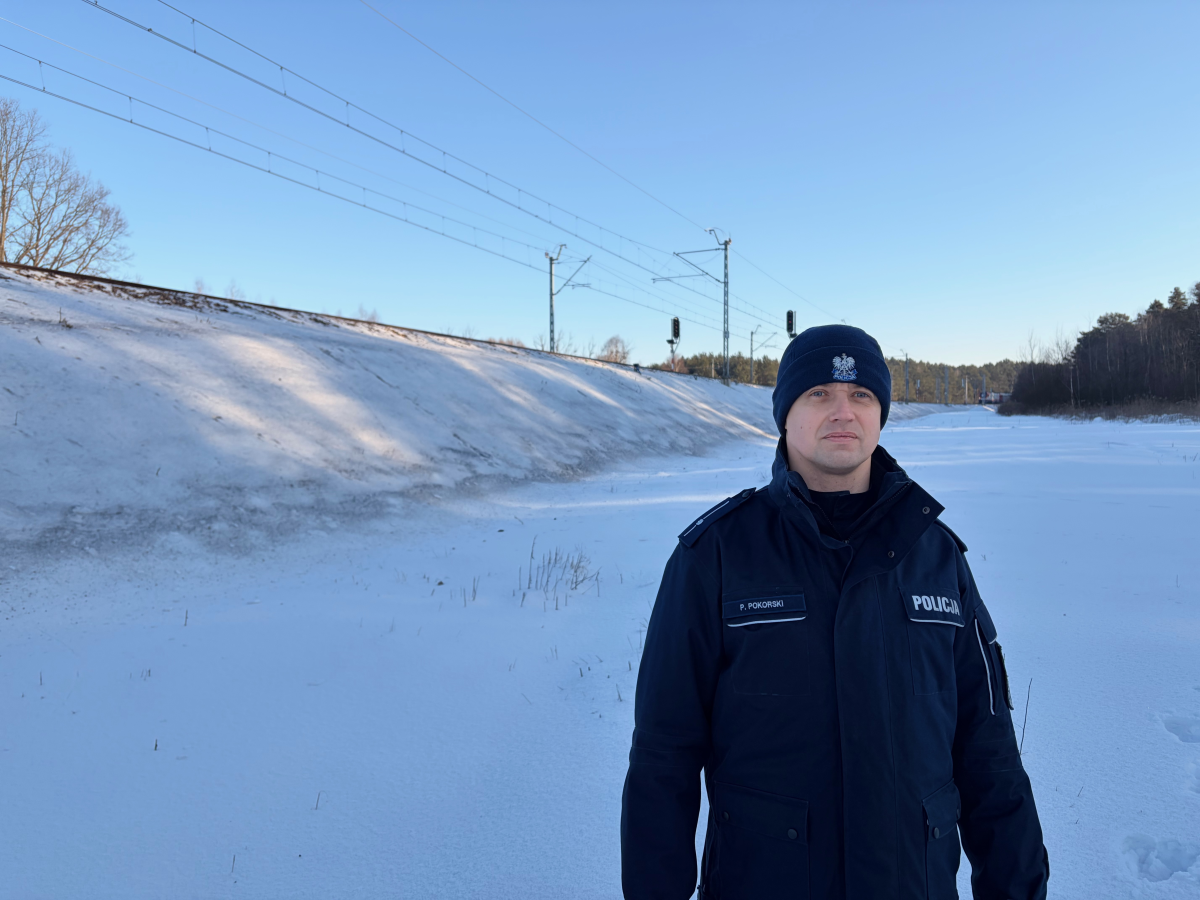
MIKA and WARSAW, Poland — The hike to the site of what local authorities believe to be Russia’s latest act of rail sabotage on Polish soil leads police officer Piotr Pokorski trudging through a couple of feet of snow across a stark white farm field, through a thatch of dead cattails and across a frozen creek before he pauses underneath an embankment.
“The explosion happened here,” he says, pointing to a small section of railroad track that catches the frozen sunlight, reflecting a bronze-colored sheen from a recent repair, “and this section of track was damaged. A train engineer noticed it just in time to stop his train and then he reported it to us. Fortunately, nobody was injured.”
Thousands of people ride on passenger trains along this line every day, and so does military aid traveling from Warsaw to Ukraine. Shortly after the November attack, Poland’s Prime Minister Donald Tusk said the country’s security services identified two Ukrainian suspects believed to be hired by Russia, but he said they escaped to neighboring Belarus immediately after the attack. The Kremlin denied any involvement.
Whether it’s shutting down airports with drones, cyberattacks, or sabotaging infrastructure, Russia’s hybrid warfare against Europe has increased sharply since the country’s full-scale invasion of Ukraine four years ago. Military experts say Russia is operating in a gray zone to undermine support for Ukraine, and the attacks are becoming more dangerous.
Poland Internal Security Agency spokesman Jacek Dobrzynski says the suspects in the November attack chose their target carefully. “It was on a viaduct right before a curve in the track,” he said. “Had they succeeded in destroying the track, the consequences would have been serious. Dozens of people could have been killed.”
Dobrzysnski says he sees the attack as a test. “The Russians want to see how much they can get away with,” he says, “what the Polish response will be, how the media reacts, how our security services react, and what evidence we uncover.”
Kremlin spokesman Dmitri Peskov responded that Russia is being blamed for what he called “all manifestations” of hybrid warfare in Poland, adding “Russophobia is flourishing there.”

Dobrzynsnski says what is flourishing are Russian attacks. His office tracks dozens of attempts each day to test the country’s electric, transportation, and digital infrastructure. He says before Russia’s war in Ukraine, the attacks were conducted by agents trained by Russia – but in the past few years, the attacks have been waged by what he calls “Disposable agents”
“They recruit these disposables through the messaging app Telegram,” Dobrzysnski says, “and they pay them a little money to do small things at first like observing rail routes and reporting back to them, or they spray-paint anti-EU graffiti in the city, things like that. And if they’re good at it, then they’ll ask them to do more serious things like setting fires to buildings.”
That’s how, he says, the Russians recruited a 27-year-old man from Colombia who was arrested last summer for arson attacks on two construction supply depots. Dobrzynski says Russian agents trained the man to make incendiary devices and had him film the fires he set for broadcast on Russian state television where it falsely reported that the fires were set to military depots filled with aid for Ukraine. “My sense is that these attacks are getting more visible because Russia is really trying to influence the general population in European countries,” says Ulrike Franke, a security expert at the European Council on Foreign Relations. “The logic being that if the population gets scared and feels like their own security services, police, etc. isn’t able to counteract these attacks, they may push for a more conciliatory stance towards Russia and maybe become less supportive of Ukraine in their defense efforts.”
Franke says Russia has scaled up its hybrid attacks on Western Europe, too, with its army of drones. Germany was peppered with drone sightings at airports throughout Germany last autumn, leading to hundreds of cancelled flights. Franke says Russia’s scaled-up its hybrid attacks on Europe because the Kremlin wants to send a signal to Europeans that their governments are unable to counter such attacks.
But at what point will Europe strike back? What if that attack would have succeeded, a passenger was derailed, and dozens were killed? “This is incredibly difficult to answer,” says Franke. “The moment people get killed and it becomes clear that that is linked to Russia, we may be entering Article 5 territory, meaning that NATO’s mutual defense clause might come into action. Of course, this never means any kind of automatic military reaction, but it would be quite a strong, strong signal.”
So far, NATO has yet to invoke Article 5 – “an attack on one is an attack on all” clause – but Franke says that with every hybrid attack, Russia is getting closer to forcing Europe and NATO to consider a military response.
Grzegorz Sokol contributed to this report
Transcript:
SCOTT DETROW, HOST:
Whether it’s shutting down airports with drones or attacks on infrastructure, Russia’s hybrid warfare against Europe has increased sharply since the country’s full-scale invasion of Ukraine four years ago. Military experts say Russia is operating in a gray zone to undermine support for Ukraine. And as NPR’s Rob Schmitz reports, the attacks throughout Europe are becoming more dangerous.
(SOUNDBITE OF WALKING THROUGH SNOW)
PIOTR POKORSKI: (Speaking Polish).
ROB SCHMITZ, BYLINE: When I ask him to take me to the latest Russian act of sabotage on Polish soil, police officer Piotr Pokorski (ph) leads me through the snow across a frozen farm field…
(SOUNDBITE OF WALKING THROUGH SNOW)
SCHMITZ: …Through a thatch of dead cattails…
(SOUNDBITE OF WALKING ACROSS ICE)
SCHMITZ: …And across a frozen creek before he stops underneath an embankment and points. Above us, a foot-long section of railroad track catches the frozen sunlight, reflecting a bronze-colored sheen.
POKORSKI: (Speaking Polish).
SCHMITZ: “The explosion happened here,” he says, “and this section of track was damaged, but not significant enough to derail the trains along this track. A train engineer noticed it just in time to stop his train, and then he reported it to us. Fortunately, nobody was injured.”
(SOUNDBITE OF PASSING TRAIN)
SCHMITZ: Thousands of people ride on passenger trains along this line every day, and so does military aid traveling from Warsaw to Ukraine. In the days following the November attack, Poland’s Prime Minister Donald Tusk said the country’s security services identified two Ukrainian suspects believed to be hired by Russia. Tusk said they escaped to neighboring Belarus immediately after the attack. Poland Internal Security Agency spokesman Jacek Dobrzynski.
JACEK DOBRZYNSKI: (Speaking Polish).
SCHMITZ: “The choice of the attack site,” says Dobrzynski, “was not accidental. It was on a viaduct, right before a curve in the track. Had they succeeded in destroying the track, the consequences would have been serious. Dozens of people could have been killed.” Dobrzynski says he sees the attack as a test.
DOBRZYNSKI: (Speaking Polish).
SCHMITZ: “The Russians want to see how much they can get away with,” he says, “what the Polish response will be, how the media reacts, how our security services react, and what evidence we uncover.” Kremlin spokesman Dmitry Peskov responded that Russia is being blamed for what he called all manifestations of hybrid warfare in Poland, adding that Russophobia is flourishing there. Dobrzynski says what is flourishing are Russian attacks. His office tracks dozens of attempts each day to test the country’s electric, transportation and digital infrastructure. He says, before Russia’s war in Ukraine, the attacks were conducted by agents trained by Russia. But in the past few years, the attacks have been waged by what he calls disposable agents.
DOBRZYNSKI: (Speaking Polish).
SCHMITZ: “They recruit these disposables through the messaging app Telegram,” Dobrzynski says, “and they pay them a little money to do small things at first, like observing rail routes and reporting back to them, or they spray-paint anti-EU graffiti in the city, things like that. And if they’re good at it, then they’ll ask them to do more serious things like setting fires to buildings.” That’s how, he says, the Russians recruited a 27-year-old man from Colombia who was arrested last summer for setting fires to two construction supply depots. Dobrzynski says Russian agents taught the man to make incendiary devices and had him film the fires he set for broadcast on Russian state television, where it falsely reported that the fires were set to military depots filled with aid for Ukraine.
ULRIKE FRANKE: My sense is that these attacks are getting more visible because Russia is really trying to influence the general population in European countries.
SCHMITZ: Ulrike Franke is a security expert at the European Council on Foreign Relations.
FRANKE: The logic being that, you know, if the population gets scared and feels like their own security services, police, etc., isn’t able to counteract these attacks, they may push for a more conciliatory stance towards Russia and maybe become less supportive of Ukraine in their defense efforts.
SCHMITZ: Franke says Russia has scaled up its hybrid attacks on Western Europe too, with its army of drones.
(SOUNDBITE OF ARCHIVED RECORDING)
UNIDENTIFIED NEWSCASTER: (Speaking German).
SCHMITZ: German news was peppered with drone sightings at airports throughout Germany last autumn, leading to hundreds of canceled flights. Franke says Russia scaled up its hybrid attacks on Europe because the Kremlin wants to send a signal to Europeans that their governments are not able to counter such attacks. But at what point will Europe strike back? I asked Franke about the attack on Poland’s railway. What if the attack would have succeeded, a passenger train was derailed and dozens were killed?
FRANKE: This is incredibly difficult. I mean, the moment people get killed and it becomes clear that it’s linked to Russia, we may be entering Article 5 territory, meaning that, you know, NATO’s mutual defense clause might come into action. Of course, this never means any kind of automatic military reaction, but it would be quite a strong signal.
SCHMITZ: So far, NATO has yet to invoke Article 5 – the attack on one is an attack on all clause. But Franke says that with every hybrid attack, Russia’s getting closer to forcing Europe and NATO to consider a military response. Rob Schmitz, NPR News, Poland.

Israeli soldiers fire on family car in occupied West Bank, killing 4
Israeli soldiers fired on a car carrying a family in the northern West Bank, killing four people including two children, the Palestinian Authority's Health Ministry said.
U.S. military names six killed in plane crash as Iran war enters third week
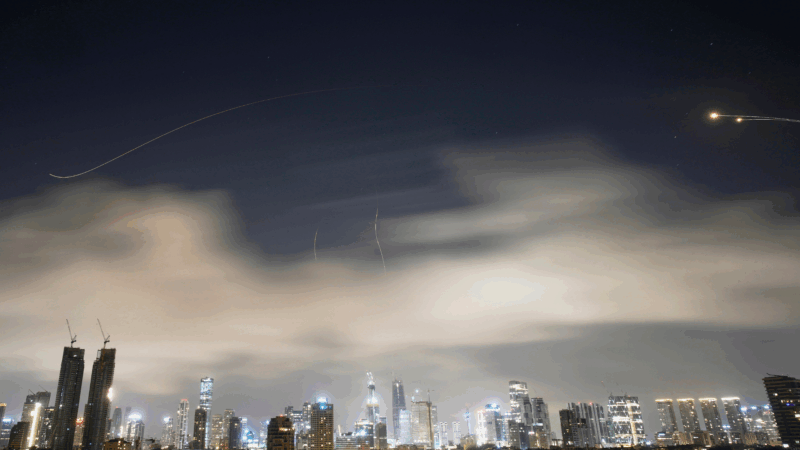
The conflict in the Middle East has entered a third week, with Israel announcing a barrage of new strikes on western Iran on Sunday, while the U.S. defense department released the names of six service members who died when their military refueling aircraft crashed.

Alabama poised to drastically overhaul utility regulation. Will it lower electric bills?
The Alabama Senate unanimously voted to expand the public service commission, and create a Secretary of Energy to address rising electricity prices. A bill in the House would go even further, requiring rate case hearings and limiting utility profits.

Sunday Puzzle: BAD!
Ayesha Rascoe plays the puzzle with KCUR listener Justin Marciniak and Weekend Edition Puzzlemaster Will Shortz.
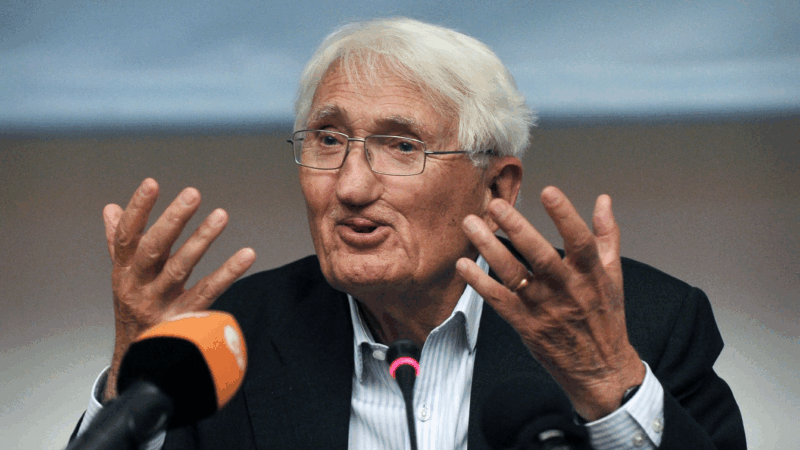
Acclaimed 20th century philosopher Jürgen Habermas dies at 96
Associated with the Frankfurt School, Habermas was a world-renowned thinker on modernity and democracy who helped shape German post-war and post-reunification political discourse.

Why the Chicago Bears could be moving to Indiana
While Illinois is trying to keep the team in Chicago's suburbs, Indiana lawmakers are offering a plan to finance a new stadium
