
Russian strikes knock out heat in freezing Kyiv as peace talks continue
KYIV — Thousands of apartment buildings in the Ukrainian capital Kyiv remain without heating, electricity and water once again, after Russia launched hundreds of drones and missiles at Ukraine’s two largest cities early Saturday morning.
“Every such Russian strike on our energy infrastructure shows that there must be no delays in supplying air defense,” Ukrainian President Volodymyr Zelenskyy wrote on social media. “We are counting on the reaction and assistance of all our allies.”
The strikes killed at least one person and injured four others, said Kyiv Mayor Vitali Klitschko. The assault came as envoys from Ukraine, Russia and the U.S. held tripartite talks in the United Arab Emirates on ending Russia’s long war on Ukraine.
Zelenskyy said in a post on social media that the talks were “constructive” and that military representatives brought up issues to discuss.
“Provided there is readiness to move forward — and Ukraine is ready — further meetings will take place, potentially as early as next week,” he wrote.
Despite the talks, Russia has continued to strike Ukraine’s energy grid, inflicting severe damage during the coldest winter since the full-scale invasion nearly four years ago. Temperatures in Kyiv have often dipped below -10C (14F).
NPR’s bureau heard several attack drones flying over Kyiv early Saturday morning, along with air defense units trying to shoot them down. Explosions continued for several hours.
Writing on social media, Klitschko said that half of Kyiv’s apartment buildings had been left without heating after the strikes. Many residents had only recently regained heat after earlier attacks on Jan. 9 and Jan. 20 left them in the cold.
Kyiv relies on a massive centralized district heating system that supplies heat to thousands of apartment buildings, some as high as 25 stories.
Oleksandr Kharchenko, director of the Energy Industry Research Center in Kyiv, says this system pumps hot water through pipes to heat them and includes plants that generate both heat and electricity. He said Russian strikes have damaged these plants and pumps, causing water to freeze and burst pipes.
“The target was to kill the city … to freeze the city,” Kharchenko told NPR, referring to the Russian attacks. “And to push (people) out of the city.”
Energy and utility workers have been repairing damage to the city’s energy grid around the clock for weeks.
“To rebuild a new one during the war time is impossible,” Klitschko, the Kyiv mayor, told NPR on Thursday. “We need a lot of money and time for that.”
He said Kyiv has been preparing to decentralize the grid but that effort will take time. “To defend from a Russian attack,” he said, “what we need is air defense.”
Russia also struck Ukraine’s second-largest city, Kharkiv, in the overnight attacks early Saturday. Local authorities said more than two dozen people were injured.

Israeli soldiers fire on family car in occupied West Bank, killing 4
Israeli soldiers fired on a car carrying a family in the northern West Bank, killing four people including two children, the Palestinian Authority's Health Ministry said.
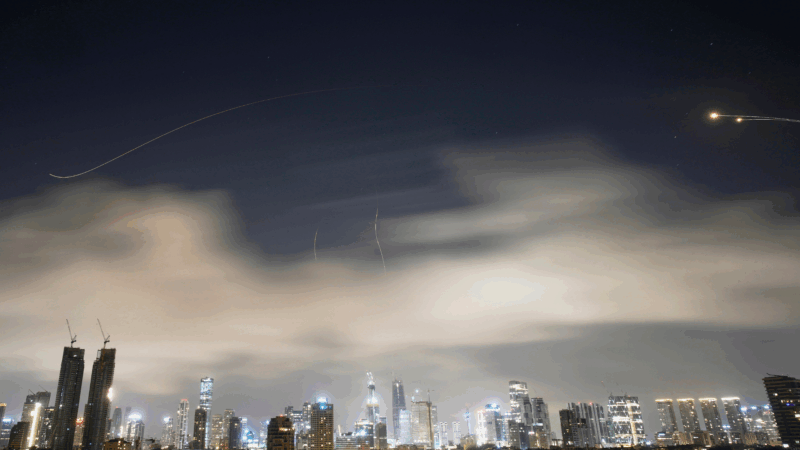
U.S. military names six killed in plane crash as Iran war enters third week
The conflict in the Middle East has entered a third week, with Israel announcing a barrage of new strikes on western Iran on Sunday, while the U.S. defense department released the names of six service members who died when their military refueling aircraft crashed.

Alabama poised to drastically overhaul utility regulation. Will it lower electric bills?
The Alabama Senate unanimously voted to expand the public service commission, and create a Secretary of Energy to address rising electricity prices. A bill in the House would go even further, requiring rate case hearings and limiting utility profits.
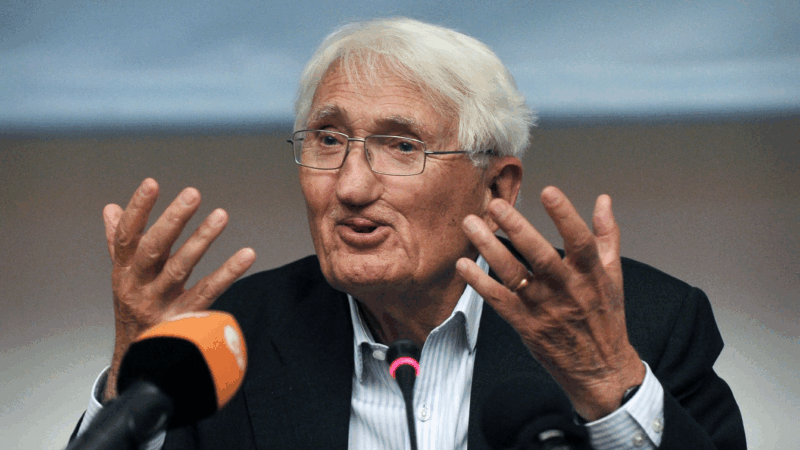
Acclaimed 20th century philosopher Jürgen Habermas dies at 96
Associated with the Frankfurt School, Habermas was a world-renowned thinker on modernity and democracy who helped shape German post-war and post-reunification political discourse.

Why the Chicago Bears could be moving to Indiana
While Illinois is trying to keep the team in Chicago's suburbs, Indiana lawmakers are offering a plan to finance a new stadium
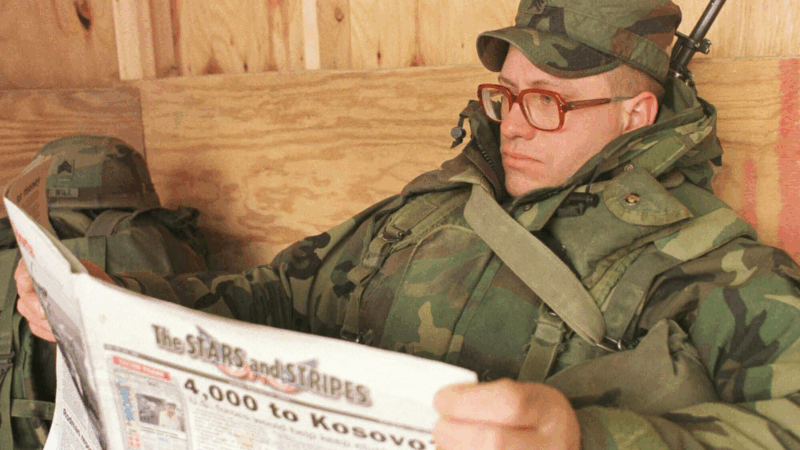
Pentagon tightens controls over Stars and Stripes after calling it “woke”
The new rules for the independent military newspaper are the Defense Department's latest effort to put extraordinary restrictions on journalists covering the agency.
