
RFK’s plan to phase out synthetic food dyes could face industry pushback
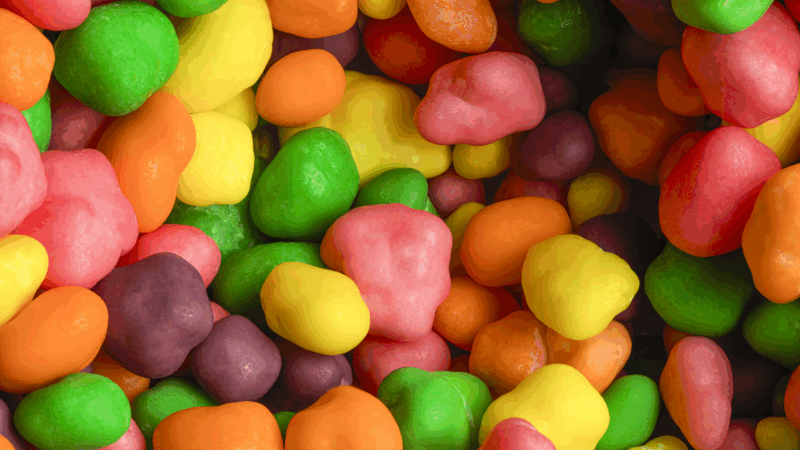
The Trump administration announced its intention to phase out synthetic dyes used to enhance color in common foods like candy and cereals.
At a press conference Tuesday, Health and Human Services Secretary Robert F. Kennedy Jr. said his agency is making the move as a first step to improve the nation’s food supply and address chronic disease.
“We are going to get rid of the dyes and then one by one, we’re going to get rid of every ingredient and additive in food that we can legally address,” he said.
The Food and Drug Administration will take several actions aimed at phasing out synthetic dyes. FDA commissioner Marty Makary announced that the agency will work with the industry to voluntarily eliminate six commonly used dyes by the end of next year. It will also start the process of banning two other colorants, Citrus Red No. 2 and Orange B; and it’s asking food companies to speed up the timeline for removing the previously banned colorant Red No. 3.
“For the last 50 years, American children have increasingly been living in a toxic soup of synthetic chemicals,” said Makary, citing studies that have linked synthetic dyes with ADHD and other health conditions. “Taking petroleum-based food dyes out of the food supply is not a silver bullet that will instantly make America’s children healthy, but it is one important step,” he said.
There’s no mandate for the food industry to comply with the phase-out of the six synthetic colorants, but Kennedy said “the industry has voluntarily agreed.” He said that a number of states have passed laws banning some food ingredients, and food companies have told him they want national leadership in this area. “They want clear guidelines,” he said.
Melissa Hockstad, president and CEO of the Consumer Brands Association, which represents U.S. packaged food manufacturers, defended the industry’s current ingredients:
“The ingredients used in America’s food supply have been rigorously studied … and have been demonstrated to be safe,” she said in a statement.
She added that her group appreciates that federal health agencies have “reasserted their leadership in response to the myriad of state activity in the food regulation space.”
She did not specify whether the group’s members would comply with the administration’s new proposal, but she noted the industry is increasing use of alternatives to synthetic colorants.
Studies have linked food dyes to behavioral and cognitive problems in children. When California’s Environmental Protection Agency reviewed the body of research on synthetic dyes back in 2021, it found evidence that the dyes consumed in food can negatively impact children’s behavior.
The watchdog group Center for Science in the Public Interest has pushed for bans on synthetic dyes for years. Thomas Galligan, principal scientist at CSPI said he had hoped the FDA’s Tuesday announcement would be a ban on synthetic dyes, not a voluntary agreement to get the food industry to cooperate.
“The FDA has the authority to ban them outright if they wanted to,” he told NPR. “So it’s a bit of a strange announcement.”
Galligan warns voluntary agreements have fallen apart before. “It’s worth pointing out that food companies have made promises like this before. They’ve claimed they’re going to get rid of these food dyes or other additives within a certain timeframe, and then they have consistently reneged on those promises.”
He notes the two dyes that will be banned, Citrus Red 2 and Orange B, are “very, very rarely used. They’ve essentially been abandoned by the food industry.”
The FDA also announced it will authorize four new “natural color additives” in the coming weeks and partner with the National Institutes of Health on new research into food additives’ impact on children’s health.
The industry group, the International Association of Color Manufacturers, pushed back against the characterization that currently used dyes are unsafe.
“Color additives have been rigorously reviewed by global health authorities, such as the U.S. Food and Drug Administration, the European Food Safety Authority, and the Joint FAO/WHO Expert Committee on Food Additives, with no safety concerns,” the group said in a statement.
The push to eliminate synthetic dyes is one of the Trump administration’s first health policy moves, since initiating several rounds of deep cuts to both staffing and funding for contracts at all the federal health agencies.
Kennedy cited rising rates of various childhood illnesses and chronic diseases that may be linked to how we eat: “This is existential for our country and we have to address it,” he said, adding, “industry is making money on keeping us sick.”
Many of his remarks were met by applause from an audience at the press event that included MAHA supporters. Some attendees carried signs reading, “Make America Healthy Again” and “MAHA Moms.”
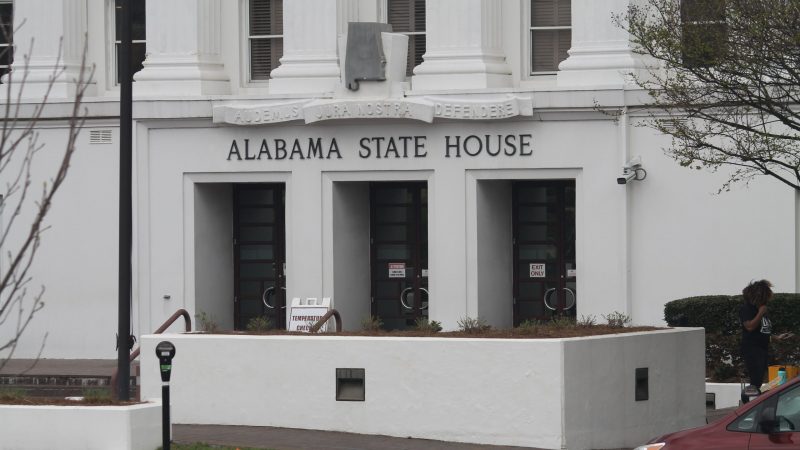
Bill making the Public Service Commission an appointed board is dead for the session
Usually when discussing legislative action, the focus is on what's moving forward. But plenty of bills in a legislature stall or even die. Leaders in the Alabama legislature say a bill involving the Public Service Commission is dead for the session. We get details on that from Todd Stacy, host of Capitol Journal on Alabama Public Television.
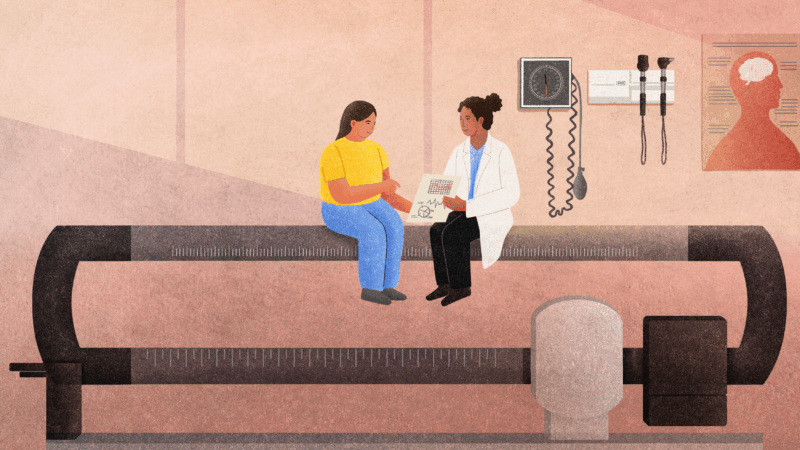
My doctor keeps focusing on my weight. What other health metrics matter more?
Our Real Talk with a Doc columnist explains how to push back if your doctor's obsessed with weight loss. And what other health metrics matter more instead.
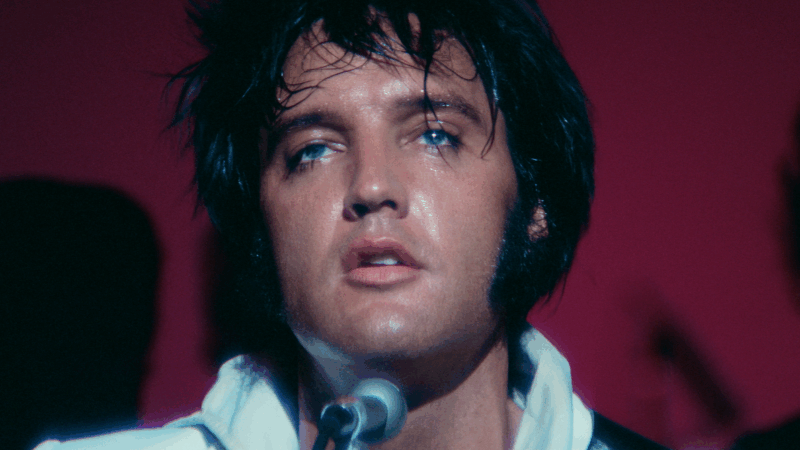
Baz Luhrmann will make you fall in love with Elvis Presley
The new movie is made up of footage originally shot in the early 1970s, which Luhrmann found in storage in a Kansas salt mine.
Forget the State of the Union. What’s the state of your quiz score?
What's the state of your union, quiz-wise? Find out!

A team of midlife cheerleaders in Ukraine refuses to let war defeat them
Ukrainian women in their 50s and 60s say they've embraced cheerleading as a way to cope with the extreme stress and anxiety of four years of Russia's full-scale invasion.
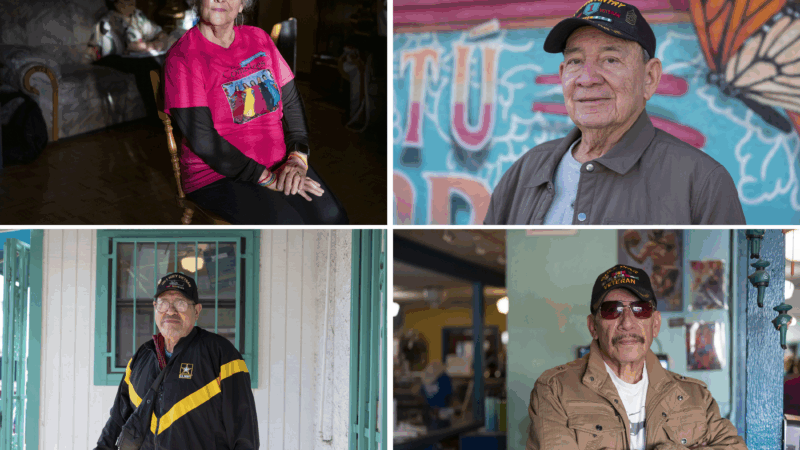
As the U.S. celebrates its 250th birthday, many Latinos question whether they belong
Many U.S.-born Latinos feel afraid and anxious amid the political rhetoric. Still, others wouldn't miss celebrating their country
