
Report finds children with mental health diagnoses often incarcerated instead of getting treatment
A new report from Congress has raised the alarm about children with mental health conditions being held in juvenile detention, rather than getting treatment.
“Prolonged Incarceration of Children Due to Mental Health Care Shortages,” released Thursday by the staff of Democratic Sen. Jon Ossoff and Republican Rep. Jen Kiggans, is based on a survey sent to administrators of public juvenile detention facilities around the country. About half of those who responded to the survey reported they had, at some point, kept children incarcerated when they could have been released into offsite mental health care.
“This should shock America’s conscience,” Ossoff says. “Children with special needs, locked up for extended time instead of getting the mental health care that they need.”
According to the survey, 75 juvenile detention centers in 25 states reported holding youths for days or even months until space became available at a long-term psychiatric residential treatment facility.
One North Dakota respondent wrote, “There [is] no secure and safe public placement option for mentally ill youth who have violent outbursts in North Dakota, and so they come to corrections.”
“I am delighted that they commissioned this investigation, however this is nothing new,” says Linda Teplin, professor of psychiatry and behavioral sciences at Northwestern University Medical School. Teplin has studied youth and detention for three decades.
“We’ve known for years that the prevalence of psychiatric disorder in juvenile facilities is extremely high – far higher than in the general population. And we know that few kids get services, whether in detention or, particularly, when they go back to their communities,” Teplin says.
She says it’s important to understand the factors that lead to kids being held in detention rather than getting treatment.
“Being in a detention center can only worsen your psychiatric problems,” she says.
“The crisis in juvenile mental health and juvenile incarceration is decades old and we have failed to fix it,” Sen. Ossoff says. “The way we fix it is by bringing Republicans and Democrats together to begin the process of legislation.”
The survey was prepared by congressional staffers, with input from the Johns Hopkins Bloomberg School of Public Health. It was sent to 355 juvenile detention centers, and participation was voluntary. One hundred fifty-seven responded, 75 of which reported keeping children incarcerated for lack of mental health care.

Israeli soldiers fire on family car in occupied West Bank, killing 4
Israeli soldiers fired on a car carrying a family in the northern West Bank, killing four people including two children, the Palestinian Authority's Health Ministry said.

U.S. military names six killed in plane crash as Iran war enters third week
The conflict in the Middle East has entered a third week, with Israel announcing a barrage of new strikes on western Iran on Sunday, while the U.S. defense department released the names of six service members who died when their military refueling aircraft crashed.
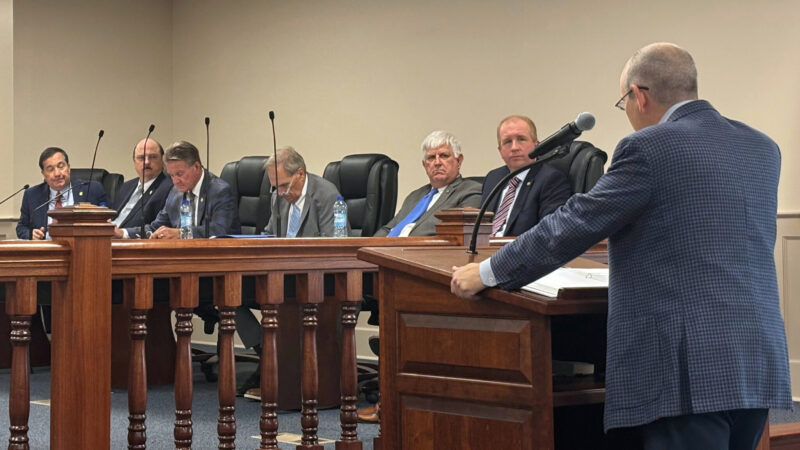
Alabama poised to drastically overhaul utility regulation. Will it lower electric bills?
The Alabama Senate unanimously voted to expand the public service commission, and create a Secretary of Energy to address rising electricity prices. A bill in the House would go even further, requiring rate case hearings and limiting utility profits.

Sunday Puzzle: BAD!
Ayesha Rascoe plays the puzzle with KCUR listener Justin Marciniak and Weekend Edition Puzzlemaster Will Shortz.
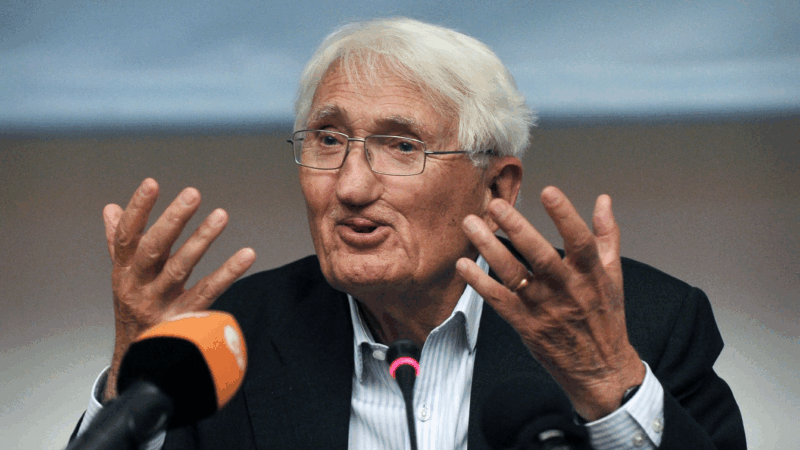
Acclaimed 20th century philosopher Jürgen Habermas dies at 96
Associated with the Frankfurt School, Habermas was a world-renowned thinker on modernity and democracy who helped shape German post-war and post-reunification political discourse.
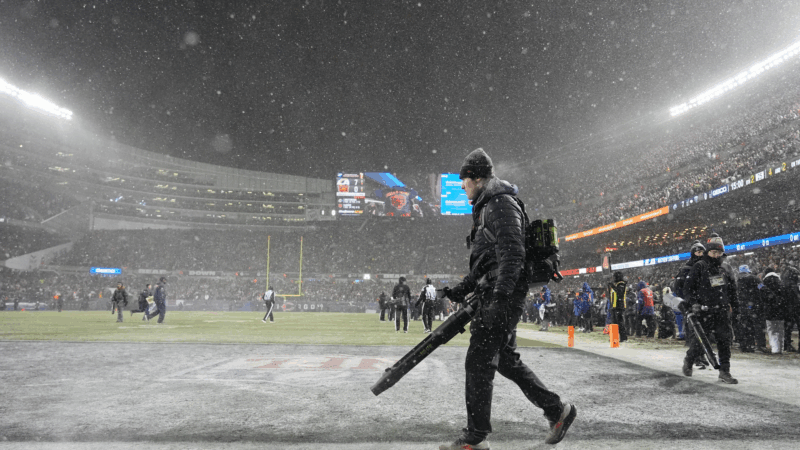
Why the Chicago Bears could be moving to Indiana
While Illinois is trying to keep the team in Chicago's suburbs, Indiana lawmakers are offering a plan to finance a new stadium
