
Psychologists are increasingly using — and worrying about — AI tools, poll finds
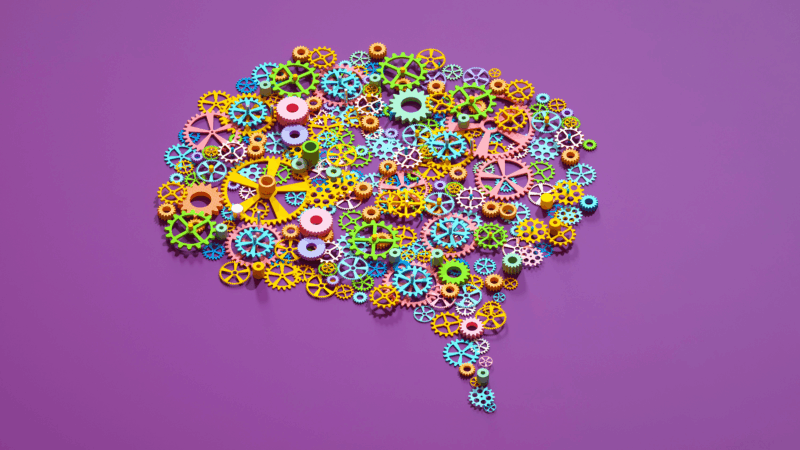
Psychologist Cami Winkelspecht decided to familiarize herself with artificial intelligence tools like ChatGPT and Gemini, after patients started asking her for advice about how they could use the technology responsibly.
“One of the interesting questions that kids and teenagers, in particular, brought in is how can you utilize AI to help support ideas or editing process or things like that for papers and assignments and presentations, but also make sure that you’re not utilizing it to write something for you, [so] that you’re not violating your school’s honor code” says Winkelspecht, who is a child and adolescent psychologist with a private practice in Wilmington, Delaware.
“So I have also then started to experiment with it to see what these tools will also do,” she says, so she could feel “confident and comfortable” in her own understanding of these platforms, their advantages and risks.
Winkelspecht is among the 56% of psychologists recently surveyed by the American Psychological Association who are using AI tools in their practices. That’s significantly higher than the 29% who said the same last year. And nearly a third of respondents said they use these tools on a monthly basis — up by more than two fold since last year.
Winkelspecht incorporates AI into some of her office and administrative tasks, like creating templates for letters she has to send to her collaborators — schools and pediatricians. It saves her time, but she can still write and edit the letters each time.
Most psychologists are “using AI to help write emails, to help develop homework assignments, to help maybe with some report writing or using AI scribes to assist with documentation,” says psychologist Vaile Wright, senior director of the Office of Health Care Innovation at the APA.
“Psychologists are seeing potential opportunities to incorporate AI into their practices, by making their work more efficient, which we think could have downstream effects to reducing burnout, reducing those aspects of the workplace that people don’t particularly enjoy,” she adds. “And that would then give them more time to really provide patient care. So I think that that’s really promising.”
As more psychologists adopt AI tools, Wright says there is also growing awareness about artificial intelligence tools, especially with respect to patient safety and data privacy.
A majority of psychologists said they are concerned about potential harms of this technology, with more than 60% saying they are worried about potential data breaches, biased inputs and outputs and social harms. Many also expressed concerns about hallucinations, where the platforms fabricate facts or present inaccurate information.
“What’s clear to us is that we need to help continue to provide both resources to members so that they can and effectively, responsibly incorporate these types of technologies,” says Wright. “And we have to ensure that these technologies are regulated in ways that ensure to the best of their ability, safety and efficacy.”
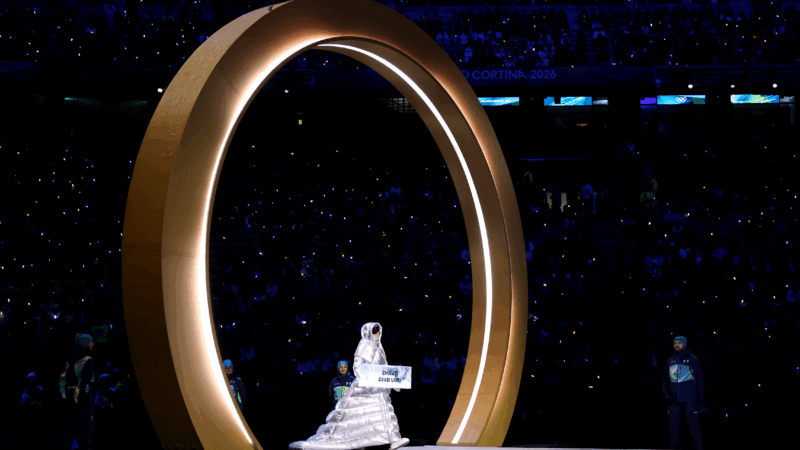
Mariah Carey, coffee makers and other highlights from the Olympic opening ceremony
NPR reporters at the Milan opening ceremony layered up and took notes.
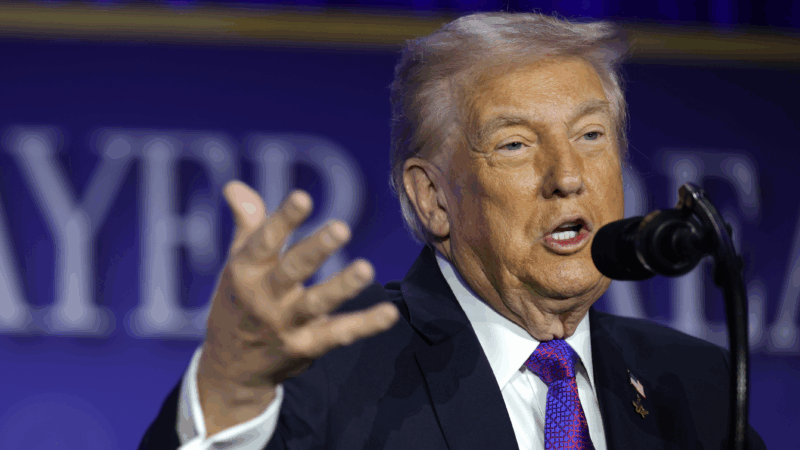
Trump’s harsh immigration tactics are taking a political hit
President Trump's popularity on one of his political strengths is in jeopardy.

A drop in CDC health alerts leaves doctors ‘flying blind’
Doctors and public health officials are concerned about the drop in health alerts from the Centers for Disease Control and Prevention since President Trump returned for a second term.
Photos: Highlights from the Winter Olympics opening ceremony
Athletes from around the world attended the 2026 Winter Olympics opening ceremony in Milan.
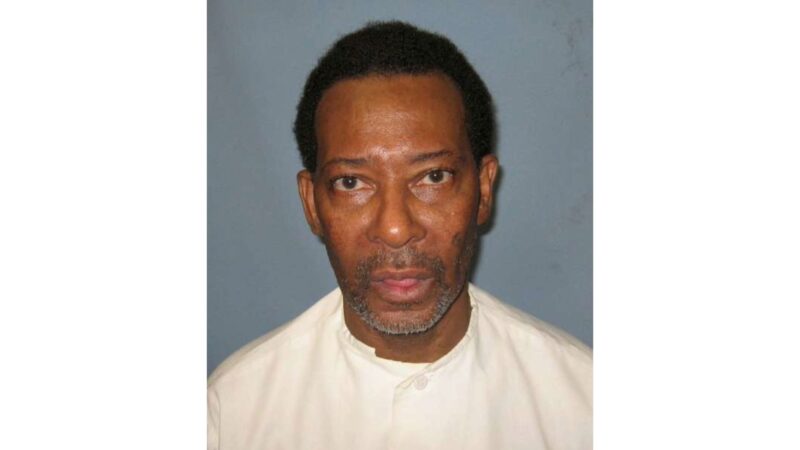
Alabama sets execution for man in auto parts store customer’s death
Gov. Kay Ivey on Thursday set a March 12 execution using nitrogen gas for Charles “Sonny” Burton. Burton was convicted as an accomplice in the shooting death of Doug Battle, a customer who was killed during an 1991 robbery of an auto parts store in Talladega.
Trump posts racist meme of the Obamas — then deletes it
Trump's racist post came at the end of a minute-long video promoting conspiracy theories about the 2020 election.
