
Psychologists are increasingly using — and worrying about — AI tools, poll finds
Psychologist Cami Winkelspecht decided to familiarize herself with artificial intelligence tools like ChatGPT and Gemini, after patients started asking her for advice about how they could use the technology responsibly.
“One of the interesting questions that kids and teenagers, in particular, brought in is how can you utilize AI to help support ideas or editing process or things like that for papers and assignments and presentations, but also make sure that you’re not utilizing it to write something for you, [so] that you’re not violating your school’s honor code” says Winkelspecht, who is a child and adolescent psychologist with a private practice in Wilmington, Delaware.
“So I have also then started to experiment with it to see what these tools will also do,” she says, so she could feel “confident and comfortable” in her own understanding of these platforms, their advantages and risks.
Winkelspecht is among the 56% of psychologists recently surveyed by the American Psychological Association who are using AI tools in their practices. That’s significantly higher than the 29% who said the same last year. And nearly a third of respondents said they use these tools on a monthly basis — up by more than two fold since last year.
Winkelspecht incorporates AI into some of her office and administrative tasks, like creating templates for letters she has to send to her collaborators — schools and pediatricians. It saves her time, but she can still write and edit the letters each time.
Most psychologists are “using AI to help write emails, to help develop homework assignments, to help maybe with some report writing or using AI scribes to assist with documentation,” says psychologist Vaile Wright, senior director of the Office of Health Care Innovation at the APA.
“Psychologists are seeing potential opportunities to incorporate AI into their practices, by making their work more efficient, which we think could have downstream effects to reducing burnout, reducing those aspects of the workplace that people don’t particularly enjoy,” she adds. “And that would then give them more time to really provide patient care. So I think that that’s really promising.”
As more psychologists adopt AI tools, Wright says there is also growing awareness about artificial intelligence tools, especially with respect to patient safety and data privacy.
A majority of psychologists said they are concerned about potential harms of this technology, with more than 60% saying they are worried about potential data breaches, biased inputs and outputs and social harms. Many also expressed concerns about hallucinations, where the platforms fabricate facts or present inaccurate information.
“What’s clear to us is that we need to help continue to provide both resources to members so that they can and effectively, responsibly incorporate these types of technologies,” says Wright. “And we have to ensure that these technologies are regulated in ways that ensure to the best of their ability, safety and efficacy.”

Bill making the Public Service Commission an appointed board is dead for the session
Usually when discussing legislative action, the focus is on what's moving forward. But plenty of bills in a legislature stall or even die. Leaders in the Alabama legislature say a bill involving the Public Service Commission is dead for the session. We get details on that from Todd Stacy, host of Capitol Journal on Alabama Public Television.
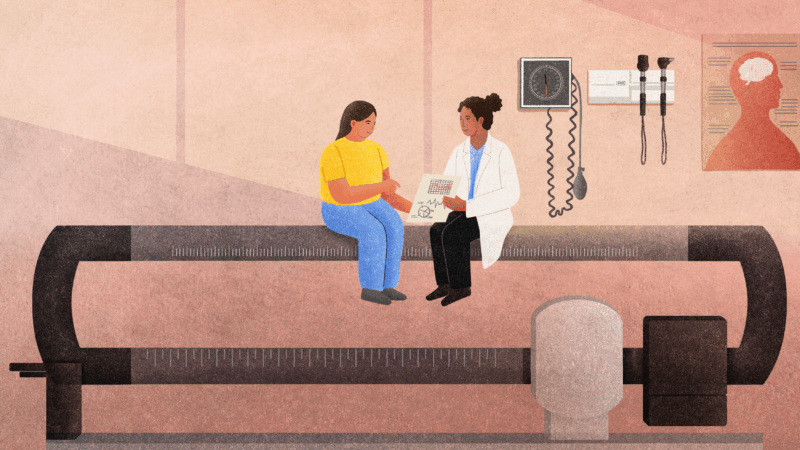
My doctor keeps focusing on my weight. What other health metrics matter more?
Our Real Talk with a Doc columnist explains how to push back if your doctor's obsessed with weight loss. And what other health metrics matter more instead.
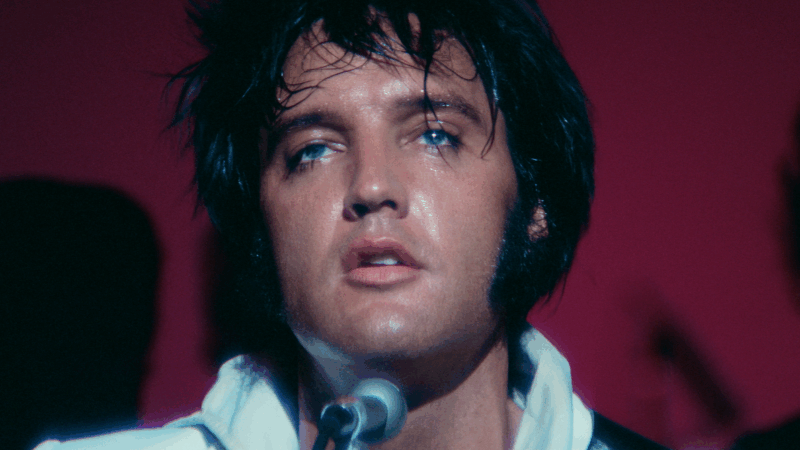
Baz Luhrmann will make you fall in love with Elvis Presley
The new movie is made up of footage originally shot in the early 1970s, which Luhrmann found in storage in a Kansas salt mine.

Forget the State of the Union. What’s the state of your quiz score?
What's the state of your union, quiz-wise? Find out!
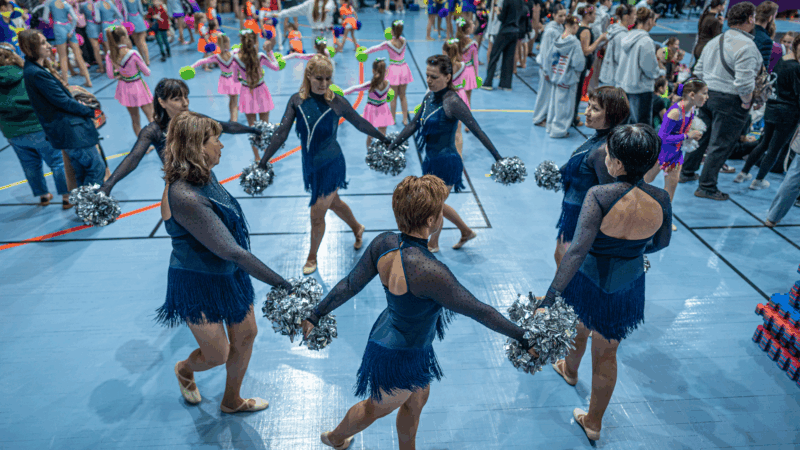
A team of midlife cheerleaders in Ukraine refuses to let war defeat them
Ukrainian women in their 50s and 60s say they've embraced cheerleading as a way to cope with the extreme stress and anxiety of four years of Russia's full-scale invasion.

As the U.S. celebrates its 250th birthday, many Latinos question whether they belong
Many U.S.-born Latinos feel afraid and anxious amid the political rhetoric. Still, others wouldn't miss celebrating their country
