
Prediction market trader ‘Magamyman’ made $553,000 on death of Iran’s supreme leader
An account trading under the username “Magamyman” made more than $553,000 placing bets on the prediction market Polymarket that Iran’s Supreme Leader, Ayatollah Ali Khamenei, would be out of power just before an Israeli strike killed him on Saturday.
The trades drew scrutiny from members of Congress and critics of prediction markets, who say the platforms invite people with access to classified information to profit on lethal military operations. On Polymarket alone, half-a-billion dollars was traded over when exactly U.S. forces would drop bombs on Iran.
“It’s insane this is legal,” Sen. Chris Murphy (D-Conn.) wrote on X. “People around Trump are profiting off war and death,” he said, adding he plans to introduce legislation “asap” to outlaw this kind of activity.
The White House denied anyone in Trump’s orbit was behind the lucrative trades.
The Trump family, however, does have ties to Polymarket. Donald Trump Jr., the president’s son, is an adviser to Polymarket and his venture capital firm 1789 Capital has invested millions into the controversial business. The Trump administration has dropped two federal investigations into Polymarket that were opened by President Joe Biden’s officials.
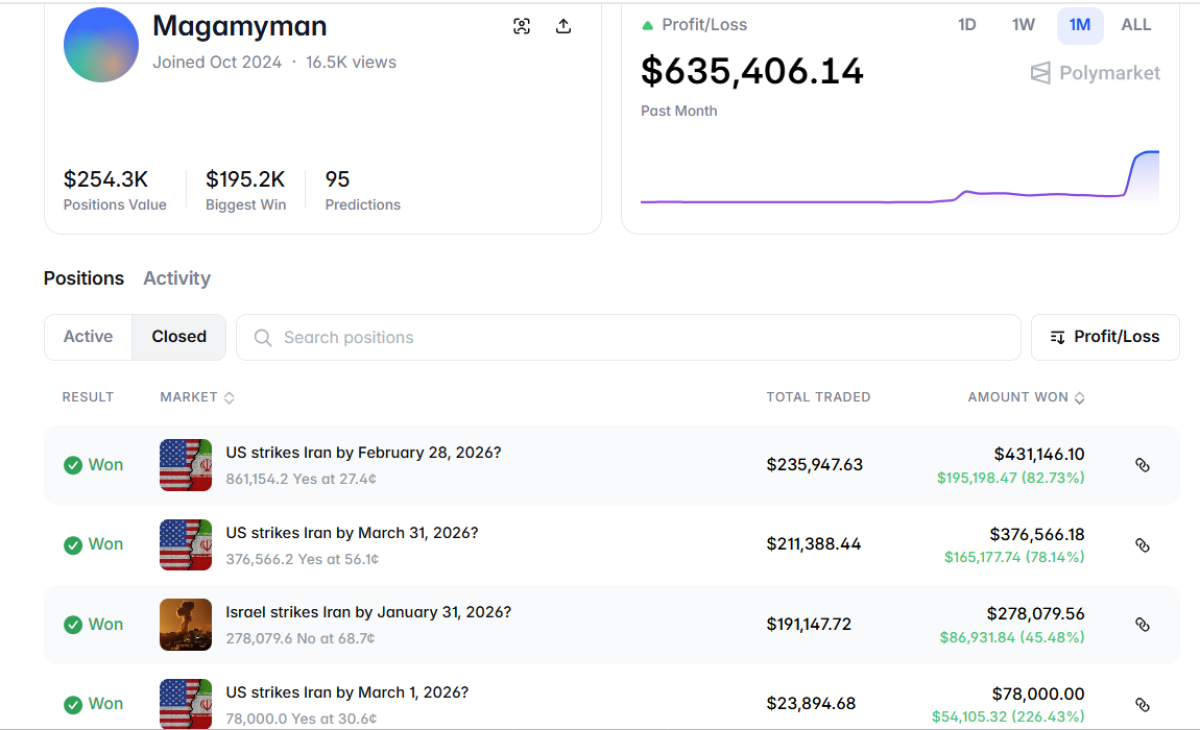
It’s the latest episode igniting debate about how government and military insiders can monetize state secrets.
In January, an anonymous trader made hundreds of thousands of dollars for placing suspiciously well-timed bets ahead of the arrest of Venezuelan leader Nicolás Maduro. A month later, authorities in Israel charged two people for using classified information to place bets on Polymarket about upcoming attacks on Iran when the countries fought a 12-day war last June.
The millions flowing into the market related to the toppling of Iran’s supreme leader were made on an overseas exchange operated by Polymarket, meaning it is outside the reach of regulators in Washington.
The Trump administration has granted approval for Polymarket to open a U.S.-based platform, but it has yet to fully publicly launch. Most American traders who use Polymarket access the site through a virtual private network that shields a user’s identity and location.
Most prediction markets, which have surged in popularity in recent months, are federally regulated by the Commodity Futures Trading Commission. The agency views this new-fangled form of betting a “futures contract,” not a type of gambling.
Under U.S. commodity trading laws, making trades based on death and war are illegal, since those kinds of bets create a financial reward for violence, human suffering and geopolitical instability.
This constraint was on display over the weekend in the way another major prediction market, Kalshi, responded to a market tied to when Khamenei would be out, a prospect that attracted more than $54 million in trades.
When Khamenei’s death was confirmed, those who placed bets on Kalshi on the leader’s ouster expected a payout, but it never happened. Instead, trading on the market was paused while the company conducted a “further review of the situation.”
Later, Kalshi CEO Tarek Mansour wrote on X that the company would be refunding fees collected on the Khamenei market.
“We don’t list markets directly tied to death,” Mansour wrote. “When there are markets where potential outcomes involve death, we design the rules to prevent people from profiting from death. That is what we did here.”
In messages sent out to users who placed bets before and after the Iranian leader’s death, Kalshi said it will issue partial refunds amounting to the last traded price before his death was confirmed, so it did not run afoul of U.S. laws prohibiting markets where people can profit from death and assassinations.
Kalshi’s decision created an uproar among traders, who felt like they had been duped.
They were all the more infuriated having watched the company heavily promote the Khamenei market for days on social media.
“Getting rugged on a 100% correct prediction because of a fine-print ‘death carveout’ is wild,” said a user who goes by “pepe” on the online forum Discord for Kalshi traders. “Centralized oracles will always bend to compliance over reality.”
Others were less generous, deriding Kalshi’s actions in the Khamenei market as evidence that the platform is “a scam.”
Amanda Fischer, a former official at the Securities and Exchange Commission who now works at the financial reform group Better Markets, told NPR that Congress needs to act to stop “perverse incentives and chaos caused by betting on death and destruction.”
She added: “Prediction markets are promoting opportunities to bet on events that can only be seen as a proxy for war or assassination. The confusion and outcry over how the Khamenei-related wagers would resolve underscores that this betting market shouldn’t exist in the first place.”
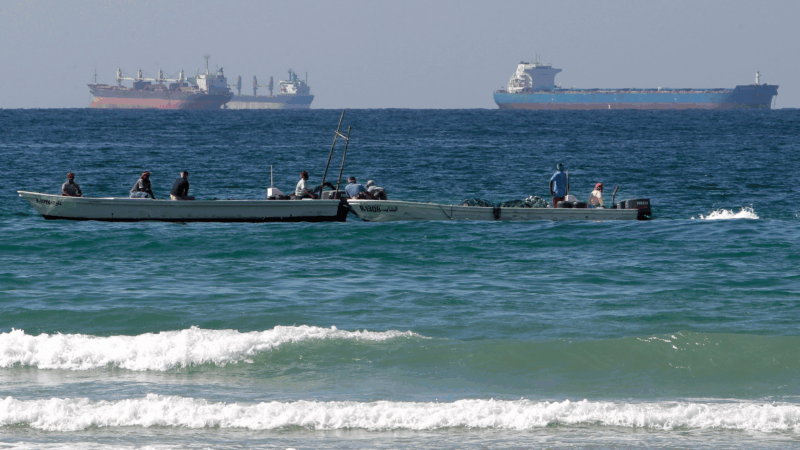
Oil prices rise sharply in market trading after attacks in Middle East disrupt supply
The high prices came as U.S. and Israeli attacks on Iran and retaliatory strikes against Israel and U.S. military installations around the Gulf sent disruptions through the global energy supply chain.
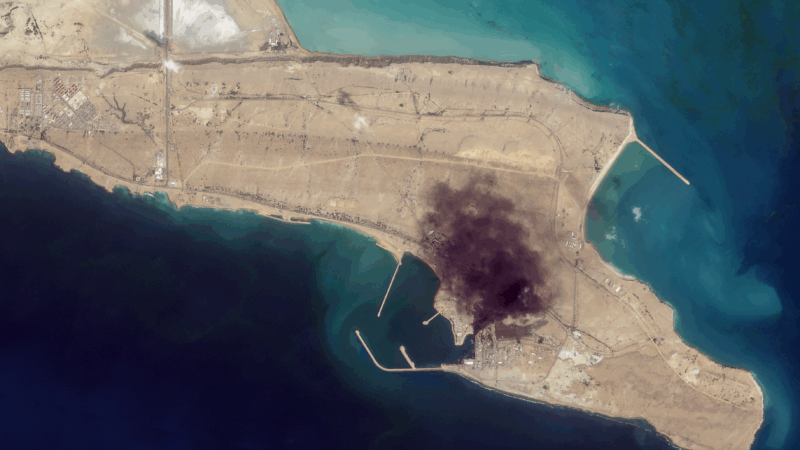
Satellite images provide view inside Iran at war
Satellite images from commercial companies show the extent of U.S. and Israeli strikes, and how Iran is responding.

Mideast clashes breach Olympic truce as athletes gather for Winter Paralympic Games
Fighting intensified in the Middle East during the Olympic truce, in effect through March 15. Flights are being disrupted as athletes and families converge on Italy for the Winter Paralympics.

A U.S. scholarship thrills a teacher in India. Then came the soul-crushing questions
She was thrilled to become the first teacher from a government-sponsored school in India to get a Fulbright exchange award to learn from U.S. schools. People asked two questions that clouded her joy.

Sunday Puzzle: Sandwiched
NPR's Ayesha Rascoe plays the puzzle with WXXI listener Jonathan Black and Weekend Edition Puzzlemaster Will Shortz.
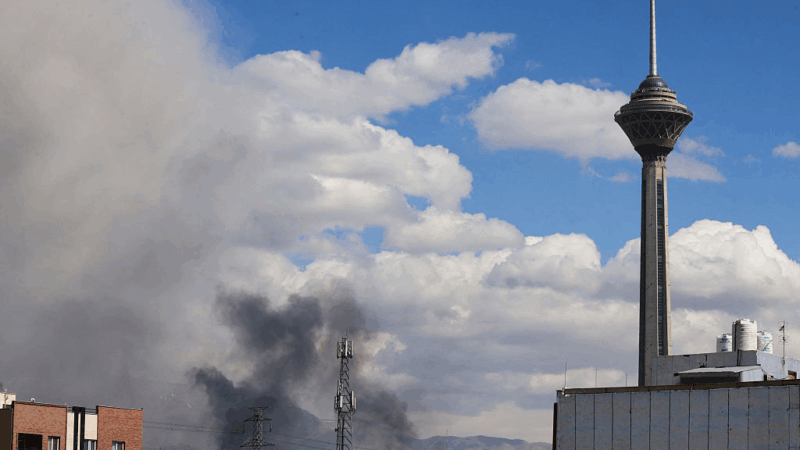
U.S.-Israeli strikes in Iran continue into 2nd day, as the region faces turmoil
Israel said on Sunday it had launched more attacks on Iran, while the Iranian government continued strikes on Israel and on U.S. targets in Gulf states, Iraq and Jordan.
