
Photos: Scientists trace a butterfly migration route that is millions of years old
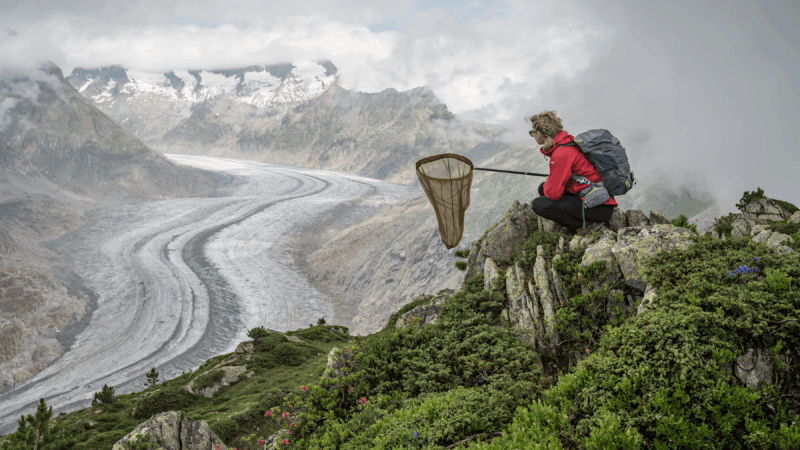
Every year, for millions of years, a huge number of painted lady butterflies have migrated thousands of miles across Europe, the Middle East and Africa. Though they’ve been a common sight throughout human history, scientists haven’t understood quite how far they travel — or how they can withstand such a difficult journey.
Now, for the first time, an international team of scientists called the Worldwide Painted Lady Migration Project has traced their route. Over the past decade, they’ve identified 10 generations of the butterflies during their annual migratory cycle, from equatorial Africa to the northernmost parts of Europe and back. From 2021-2024, photographer Lucas Foglia accompanied them on their trek across countries and continents, taking pictures of the scientists and the insects they were working hard to understand.
His new book and exhibition, Constant Bloom, follows that journey, in which painted lady butterflies follow the seasonal rains and the flowers that pop up in their wake. “From the perspective of these butterflies, which live only five weeks in their adult life, the world is always blooming,” he says.
Foglia says he learned how to spot the butterflies flitting among flowers — with their orange and black wings with eyespots on the underside, and bodies that shine in the sun. They love plants like thistles and buddleia, but they’re not picky, he says. They’ll drink nectar from patches of flowers that grow on the side of the road, or lay eggs on the plants that grow in construction site dirt.

It’s one of the ways that painted lady butterflies have adapted to climate change, an issue that became a major focus of his photographs, Foglia says. As weather patterns have shifted due to global temperatures rising, when and where flowers bloom has also shifted, he says — but the butterflies seem to just change their routes accordingly. For example, in the summer of 2023, a drought in Europe made it difficult to find painted lady butterflies when they were in Switzerland, he says, but the scientists found they were convening on flowers high up in the mountains next to melting glaciers.
They found the insects in all kinds of places — not just on wildflowers, but on ones growing in parks, gardens and organic farms. “So at first I was photographing just the butterflies,” he says. “And then pretty quickly I realized that the butterflies interrelate with people. So I started photographing people, too.”

Foglia also soon realized that the butterflies’ migration was taking place alongside human migration. He encountered people who, like the butterflies, were also making the journey north from various African and Middle Eastern countries, to cross into Europe to seek refuge. Many people asked him to take their picture, sometimes requesting he send it to their families back home.
Foglia couldn’t help but compare the painted lady butterflies’ experience of crossing borders to their human counterparts’. While butterflies “seemed to land on the shore and keep on flying,” he said, the boats of people who landed ashore in places like Italy were detained and processed by the government to determine whether they could stay.
There’s one memory that’s stuck with him. Foglia was in the city of Jerash in northern Jordan when he came across a group of Palestinian refugees, walking among the city’s famous Roman ruins. There were yellow flowers blooming on the path, where butterflies landed as they’d done for millions of years, he says, long before empires or the roads they’d built.

It also made him think a lot about the ways human history is interconnected with nature, not separate from it, and how the painted ladies’ migration is representative of that. “The butterflies are encountering people, are depending on people, and are also traveling alongside people who are moving for some of the same reasons, like searching for sustenance across borders,” he says.


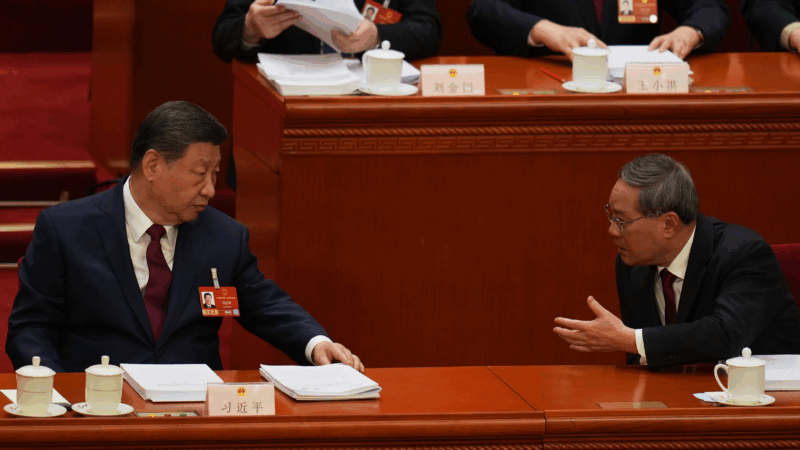
China sets a lower economic growth target of 4.5% to 5% for 2026 as challenges loom
China has signaled continuity rather than change for its economy, setting a slightly lower target for growth this year in the midst of a property slump and other headwinds at home and growing uncertainty abroad.
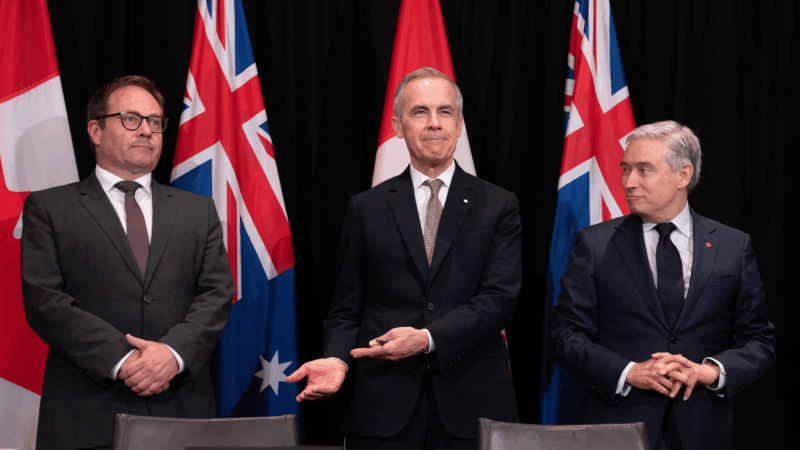
Carney says he backs strikes on Iran ‘with some regret’ as world order frays
Canadian Prime Minister Mark Carney says he supports the strikes on Iran "with some regret" as they represent an extreme example of a rupturing world order.
Iranian civilians are now fleeing the relentless bombing for neighboring Turkey
As the U.S. military broadens its strikes in Iran, traumatized Iranians are reaching the border with Turkey.

A split Senate votes against measure to constrain Trump’s authorities in Iran
Democrats in the Senate were facing an uphill climb Wednesday in their push to restrain President Trump's ability to wage war against Iran.
WATCH: How traffic dried up in the Strait of Hormuz since the Iran war began
The effective closure of the Strait of Hormuz is "about as wrong as things could go" for global oil markets. Iran achieved it not with a naval blockade, but with cheap drones.
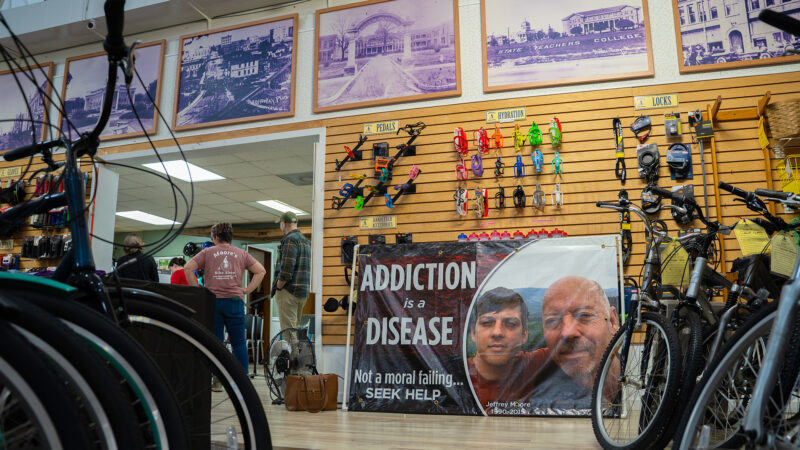
As Mississippi waits to spend opioid settlement funds, children and families suffer
Mississippi will receive more than $400M to fight the opioid epidemic. So far, officials haven't directed it toward programs that support addiction recovery.
