
Peru: Chicha Cumbia, the electric pulse of Lima

This is part of a special series, Cumbia Across Latin America, a visual report across six countries developed over several years, covering the people, places and cultures that keep this music genre alive.
The people of Peru have many definitions for the word chicha: a sacred fermented corn drink, popular culture, popular art and, of course, Peruvian cumbia. It has also been used as a derogatory term, mocking immigrant culture in Lima during the mass migrations of Indigenous Andean people to Lima in the 20th century. When it comes to music, the term has become extremely controversial.
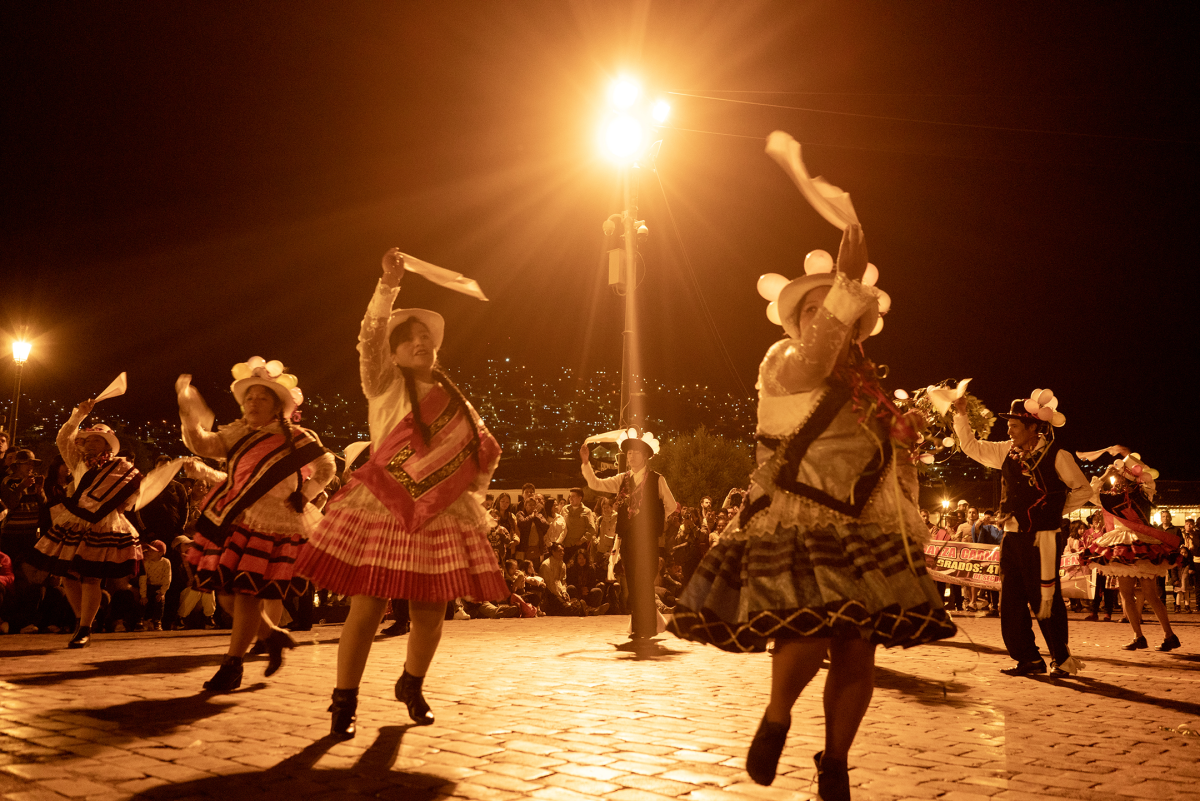
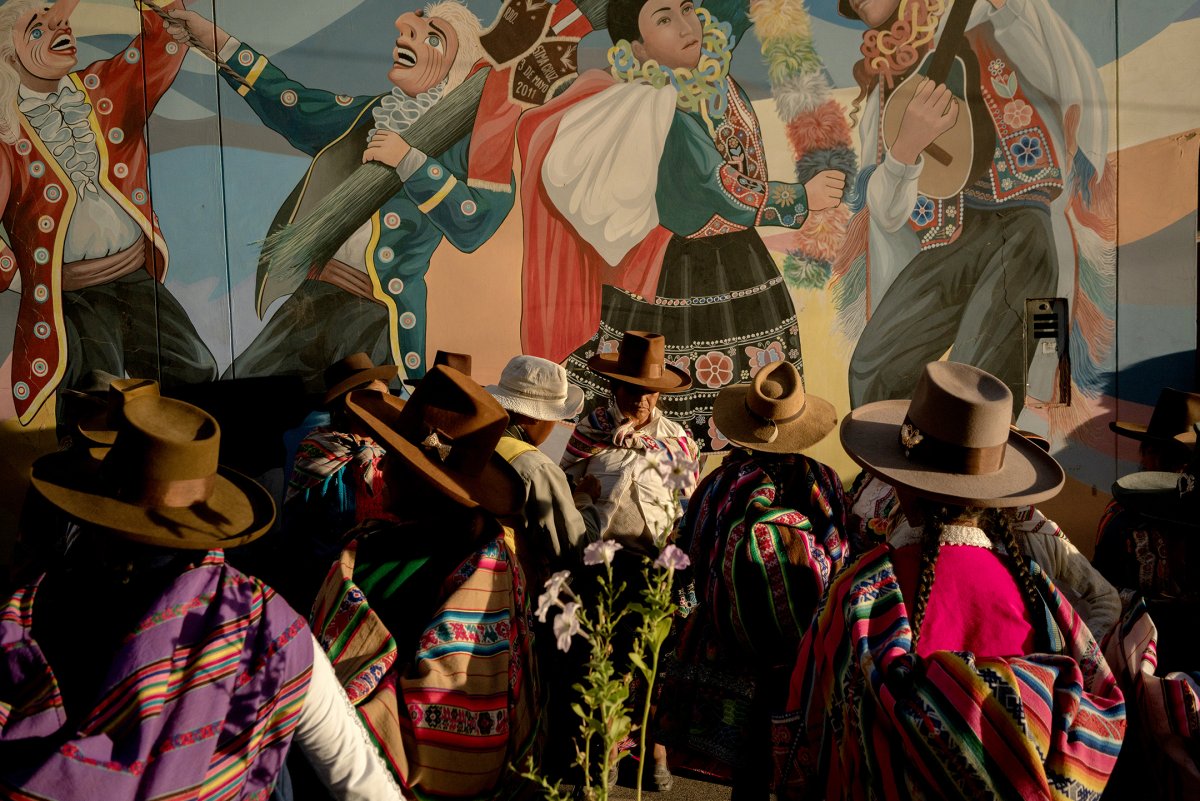
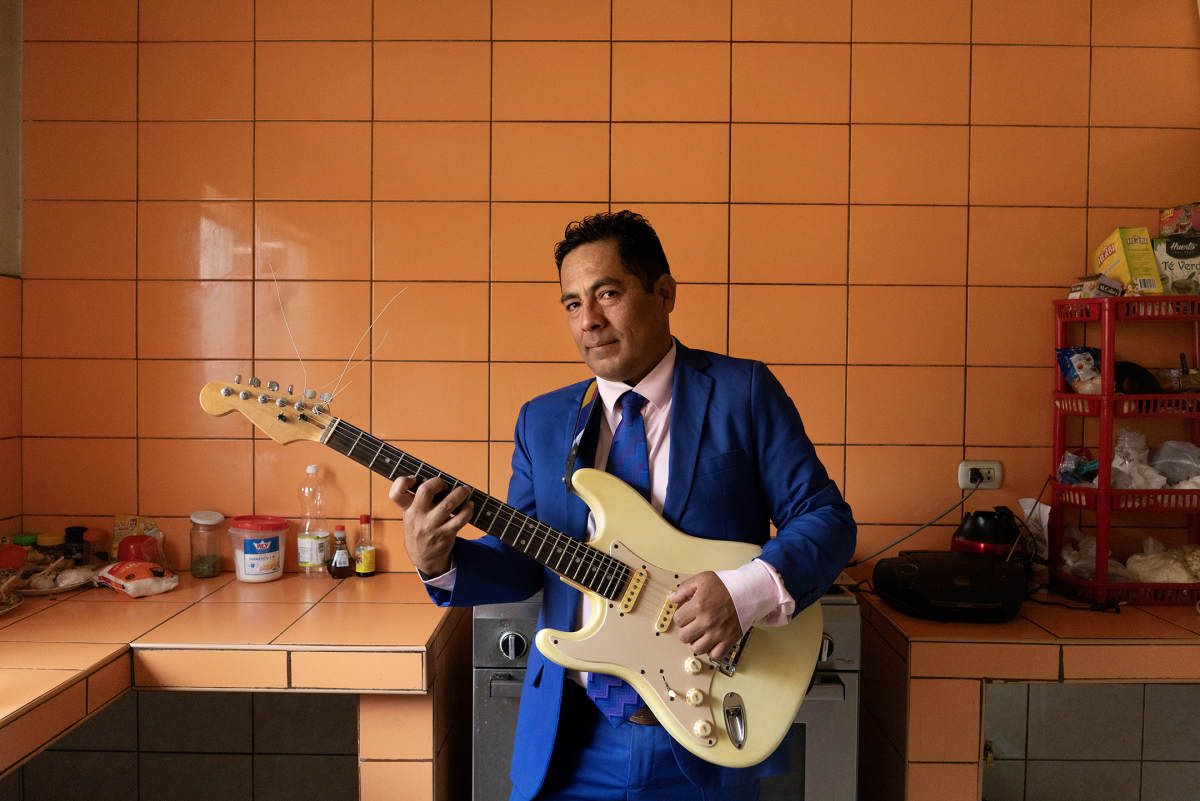
In a small peña, or neighborhood club, in Lima, two legends — Berardo Hernandez Jr., the son of Manzanita, and Pancho Acosta, of Compay Quinto — filled the venue with intricate and melodic electric guitar sounds, soloing at a rapid pace, using their fingers instead of picks. Fans smiled and danced, soaking in the magical sonic experience. Acosta, Manzanita and Enrique Delgado, of Los Destellos, all had a part in creating the chicha genre, which emphasized electric guitar and was uniquely Peruvian.
Berardo, known as Manzanita Jr., aligns with the theory that all Peruvian cumbia can be considered chicha. Pancho, on the other hand, insists that chicha is specifically Tropical Andina, a sub-genre that mixes Colombian cumbia with Andean folkloric music, known as huayno. Alfredo Villar, an author and art historian, says chicha “is the most complex moment of Peruvian identity, because it mixes everything — from its deepest roots to its most extreme and complex external influences. This is why it is so difficult to define … Chicha will always surprise you.”


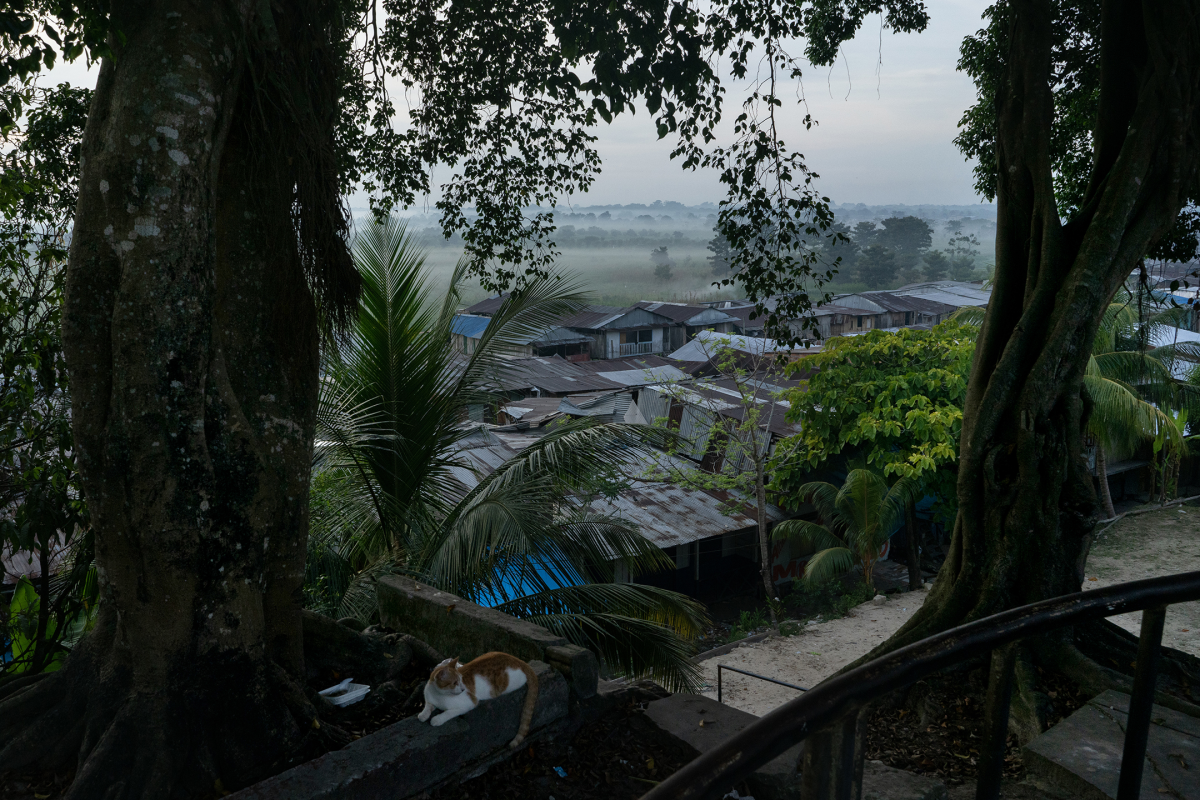
The inconceivable mix of Colombian cumbia, Cuban guaracha, Andean huayno and psychedelic rock, as well as countless other genres, including jazz and bossa nova, that melted together in Lima at the end of the 1960s created a truly delicious sound. Chicha peaked in the ’80s as Lorenzo Palacios Quispe, known as Chacalón or El Faraón de la Cumbia, and Los Shapis, an Andean band from Huancayo, brought chicha to the masses.


Chacalón, who was the son of migrant parents and grew up in a barrio on the cerro of San Cosme, working odd jobs, became a megastar among marginalized migrants in the capital. Thousands would come down from the barrios on the mountains above Lima to see him sing from the heart about the struggles of daily life and the migrant experience, giving birth to the saying, “When Chacolón sings, the mountains come down.” Los Shapis made history in 1983 when they filled a stadium in Lima, demonstrating the power of chicha and the new Andean residents of Lima. Chacalón died at the age of 44; 60,000 people attended his funeral. Los Shapis would go on to tour the world.
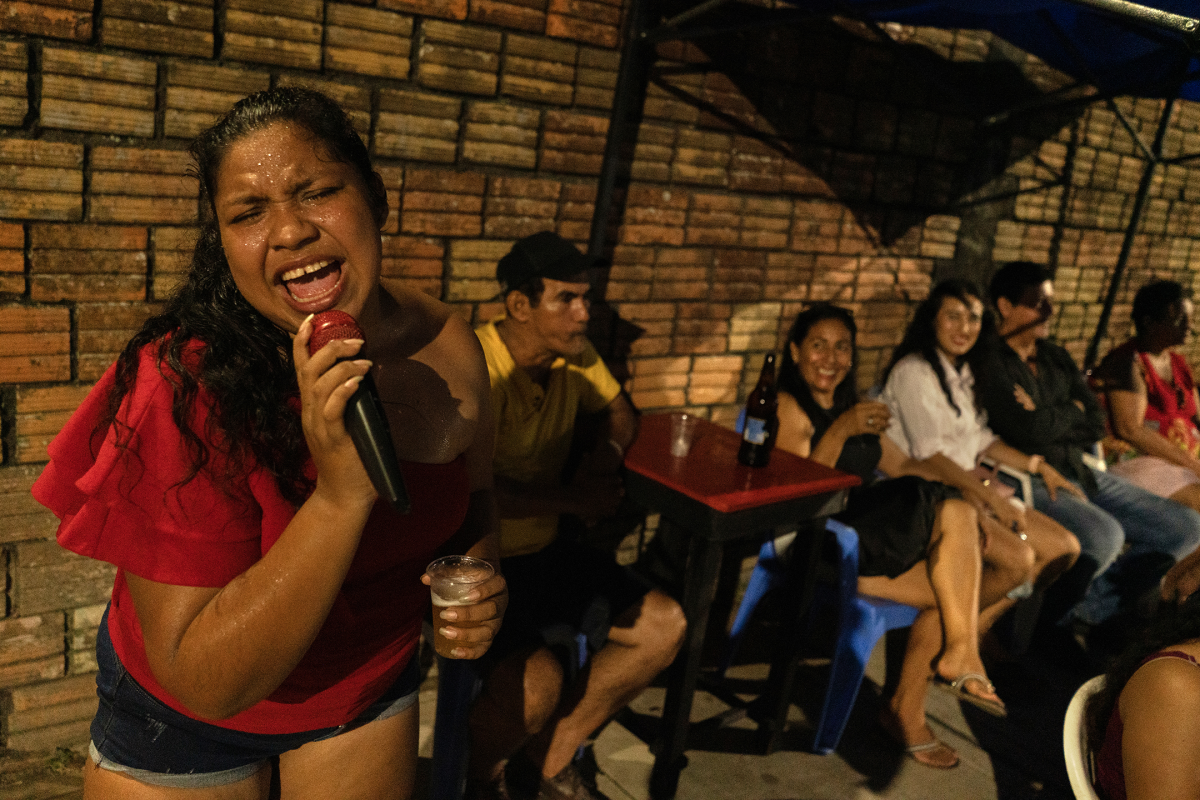


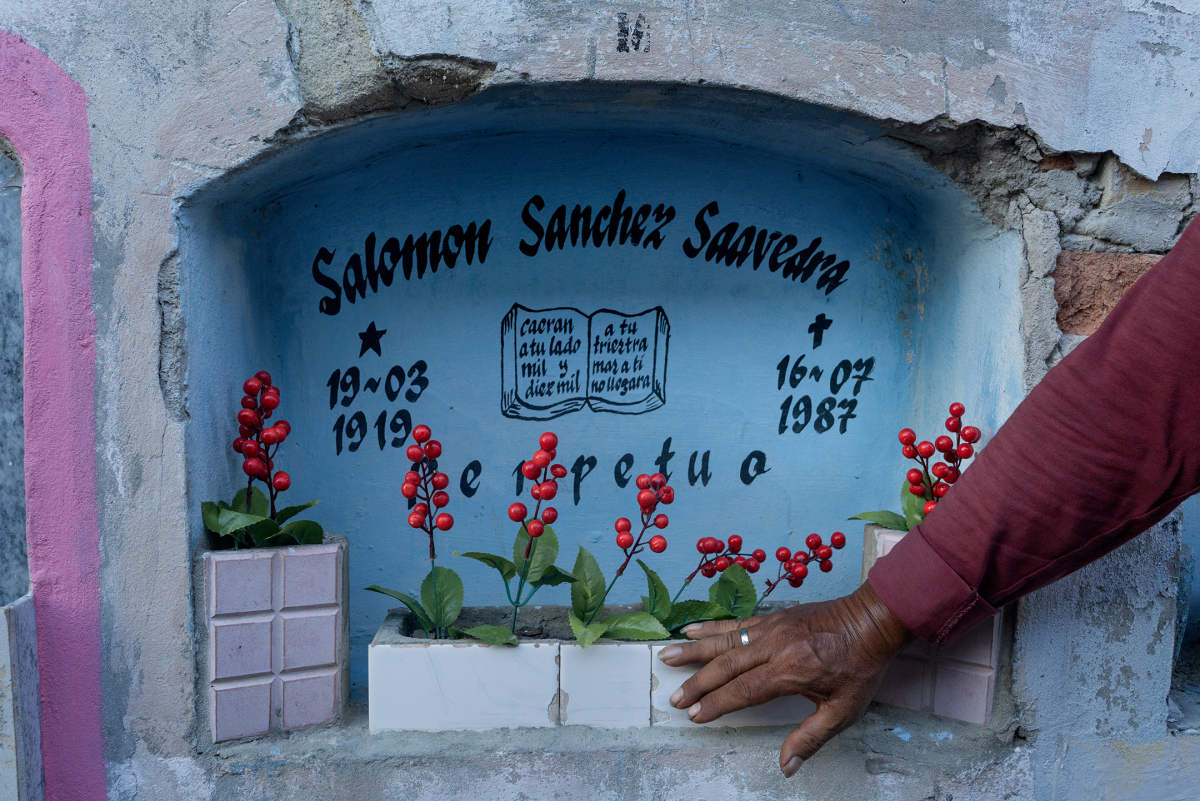
Last November, in Lima’s cemetery of El Sauce, throngs of people crowded around graves bringing food and drink to the deceased during Dia de Todos los Santos, or All Saints’ Day. As the light began to fade over the desert mountains surrounding the capital, four saxophonists played huayno music from Huancayo. The sound echoed off the walls of graves as families danced and drank beer. Chacolón could be heard from the speakers of a street vendor, and a family played Los Shapis on portable speakers while visiting their loved ones. Forty years later, chicha was still very alive in the Peruvian capital.


This coverage was made with the support of the National Geographic Explorer program.
Ivan Kashinsky is a photojournalist based in Los Angeles. You can see more of his work on his website, IvanKphoto.com, or on Instagram, at @ivankphoto.

‘War of the Worlds’ remake sinks to the bottom at this year’s Razzie Awards
The surveillance industry version of HG Wells' 1898 classic sci-fi novel stars Ice Cube, and won accolades for worst picture, actor, director and more.
Russian strike on Kyiv region kills 4 and wounds 15, with peace talks stalled
The strikes comes after the United States paused ceasefire talks between Russia and Ukraine due to the war with Iran.
As the risk of measles grows, why are parents so divided on vaccines?
In South Carolina, some parents embrace vaccines, others opt out. Why do people make such different choices? A mix of politics, distrust and misinformation is pushing neighbors apart.

Brazil’s ex-President Bolsonaro is in intensive care with pneumonia, hospital says
One of Bolsonaro's doctor's described the former Brazilian president's medical condition as "serious."
Opinion: An ancient, sophisticated palate
Researchers looking at foodcrusts on the pottery shards of ancient humans say there's evidence of a wide variety of ingredients, indicating that they may have been experimenting with "recipes."
Why women have an especially tough time in Senegal’s prisons
Women charged with a crime in Senegal are at the mercy of a slow judicial process and prisons that may lack basic supplies. They also face stigma that robs them of familial and community support.
